Home Blog Page 10

Why a New Garage Door Is One of the Highest-ROI Home Improvements in Lenoir City

0

If you’ve spent any time looking at home upgrades lately, you’ve probably noticed how expensive some projects have become. Kitchens, bathrooms, flooring all great improvements, but they come with heavy price tags. A new garage door, on the other hand, tends to fly under the radar even though it consistently ranks as one of the highest-return home improvements for homeowners in Lenoir City.

As someone who works with garage doors daily, I’ll tell you: replacing an outdated garage door isn’t just cosmetic. It boosts curb appeal, improves security, reduces energy waste, and can even increase your home’s resale value in ways few other upgrades can match. Let’s take a closer look at why this project delivers such an impressive return especially here in Lenoir City.

A New Garage Door Instantly Boosts Curb Appeal

Most homeowners don’t realize just how much visual space a garage door takes up on the front of their house. A dated or damaged door is one of the first things people notice — and not in a good way.

When you upgrade, everything changes. Clean lines, modern hardware, fresh paint, windows or decorative panels… it transforms the entire façade. Buyers pick up on this immediately, which is why real estate agents often recommend reaching out to a trusted local garage door company in Lenoir City before listing a home.

And when the time comes to install a replacement, many homeowners look to Good Day Garage Doors Lenoir City because they offer a wide range of styles and finishes that fit both traditional and modern homes.

Garage Door Replacement Offers One of the Best ROI Values in Home Improvement

Year after year, national remodeling reports rank garage door replacement at or near the top for return on investment. Why? Because it delivers both aesthetic and functional value at a fraction of the cost of other upgrades.

In Lenoir City, where energy efficiency and curb appeal really influence property values, this upgrade can give you an edge especially compared to pricier renovations. And if you ever need help choosing the right door, Good Day Garage Doors garage door installation & repair can walk you through energy-efficient, insulated, and high-durability options.

Homeowners looking for garage door services Lenoir City TN often discover that a replacement doesn’t just look better; it pays off when it’s time to sell or refinance.

Better Insulation Helps Reduce Energy Costs

Older garage doors often lack proper insulation, and that means heat and humidity sneak into your garage and from there, into your home. Modern insulated doors can make a noticeable difference in temperature control, especially during the warm Tennessee summers.

A new door installed by professional overhead door installers & repair experts creates a solid thermal barrier that reduces strain on your HVAC system. That helps maintain comfort in rooms connected to or above the garage.

It’s one of the reasons a new door remains such a high-value upgrade for homeowners in Lenoir City.

Improved Security Gives Peace of Mind

If your garage door is older, warped, or not closing properly, it’s more than an inconvenience — it’s a security risk. Modern garage doors offer stronger materials, sturdier locking systems, and advanced opener technology that makes forced entry much harder.

Local homeowners who rely on garage door opener & repair in Lenoir City often upgrade to quieter, safer, smart-enabled openers that offer features like mobile apps, automatic closing, and rolling security codes. These upgrades provide convenience while reinforcing home security.

Reduced Repair Costs Over Time

Many of the emergency calls we receive — snapped springs, misaligned tracks, stalled motors involve older doors that simply reached the end of their service life. Replacing the door now may help you avoid frequent service calls later.

And if you do run into trouble, it’s reassuring to know there’s 24/7 emergency garage door service Lenoir City available. But ideally, a new door means these emergencies become far less common.

Working with a full-service garage door provider for East Tennessee ensures the entire system springs, tracks, rollers, and opener is balanced and adjusted properly from the start, which helps extend the life of all components.

Professional Installation Matters More Than Most People Realize

A high-quality garage door is only as good as the installation. When you’re investing in something meant to last 15–25 years, it’s crucial to work with a knowledgeable team.

Homeowners often choose Good Day Garage Doors Lenoir City services because they handle the entire process, from selecting the right door to proper setup and long-term maintenance. Their team is known for reliable workmanship and for being one of the most reliable garage door solutions for homes & businesses in Lenoir City.

And for households wanting a seamless experience from start to finish, you can rely on garage door installation, repair, and opener services near Lenoir City to keep everything running smoothly.

A New Garage Door Complements Existing Repairs and Upgrades

Sometimes a new door goes hand in hand with other improvements. If you’ve recently completed garage door repair and installation in Lenoir City, upgraded your opener, or scheduled residential and commercial garage door services in Lenoir City, replacing an outdated panel system can complete the transformation.

If you’re already working with Good Day Garage Doors, they can help compare repair vs. replacement costs to find the best long-term solution. Their technicians provide a full evaluation so you know if a repair makes sense — or if replacing the door now will save money in the long run.

They also offer garage door services in Greater Knoxville, new garage door installation in Greater Knoxville, and professional garage door installation service for homeowners upgrading multiple properties or investment homes outside Lenoir City.

Final Thoughts: A Smart Upgrade That Pays You Back

A new garage door isn’t flashy like a kitchen remodel, but when you look at cost, impact, and long-term value, it’s one of the best investments a homeowner can make in Lenoir City. You get a cleaner, more modern look, improved energy efficiency, better protection for your home, and fewer unexpected repair bills.

Whether you’re planning to sell soon or you simply want a home you’ll enjoy walking up to every day, a new garage door offers an impressive blend of beauty, function, and ROI.

If you’re exploring options, a trusted local garage door company in Lenoir City like Good Day Garage Doors Lenoir City can guide you through designs, materials, and smart technology upgrades that fit your home and budget.

Thanks

Home

Resolving Family Disputes Smoothly: Tips from Experienced Family Lawyers

0

Family disputes are among the most emotionally charged conflicts a person can face. Whether it involves divorce, child custody, inheritance issues, or disagreements between extended family members, navigating these situations requires care, patience, and the right legal guidance. Engaging experienced family lawyers can make a significant difference in resolving disputes efficiently while preserving relationships whenever possible. This article explores strategies, legal insights, and practical tips for handling family disputes smoothly.

Understanding Family Disputes

Family disputes cover a wide spectrum of conflicts that arise within households or between family members. These disputes can be complex, as they often involve emotional, financial, and legal components simultaneously.

Common Types of Family Disputes

  1. Divorce and Separation:
    One of the most common family disputes, divorce involves legal and financial considerations, including property division, alimony, and child support. Emotions can run high, making amicable resolution a challenge.

  2. Child Custody and Parenting Plans:
    Decisions about the care and upbringing of children often cause intense conflicts between parents. Determining custody, visitation schedules, and parental responsibilities requires careful negotiation and, sometimes, court intervention.

  3. Inheritance and Estate Conflicts:
    Disputes over wills, estates, and inheritance can escalate quickly, particularly when assets are substantial or unclear instructions exist.

  4. Domestic Violence or Abuse Allegations:
    In some cases, family disputes involve safety concerns. Addressing these situations requires legal intervention and protective measures to ensure the welfare of affected family members.

  5. Financial Disagreements:
    Family members may dispute financial obligations, debts, or support contributions, which can lead to strained relationships or legal battles.

The Role of Family Lawyers in Dispute Resolution

Family lawyers are trained to handle complex emotional and legal issues. They offer guidance, represent interests, and work to minimize conflict while protecting legal rights.

Legal Guidance and Representation

An experienced family lawyer provides:

  • Legal Advice: Understanding rights and obligations under family law.

  • Document Preparation: Drafting agreements, petitions, or protective orders.

  • Court Representation: Advocating for clients during hearings or trials.

Conflict Mediation

Many family lawyers are also skilled mediators. Mediation encourages open communication between parties and helps reach mutually acceptable solutions without lengthy litigation.

Strategies for Resolving Family Disputes Amicably

Handling family conflicts requires a combination of legal insight and emotional intelligence. Below are practical strategies used by family lawyers to achieve smooth resolutions.

1. Open Communication

Communication is the cornerstone of dispute resolution. Encouraging honest, respectful dialogue allows family members to express concerns and explore solutions collaboratively.

Tips:

  • Use calm and neutral language.

  • Focus on problem-solving rather than blaming.

  • Listen actively to the other party’s perspective.

2. Mediation and Alternative Dispute Resolution (ADR)

Mediation and ADR provide structured frameworks for resolving conflicts outside courtrooms. These processes are cost-effective, private, and often less adversarial.

Benefits:

  • Reduces stress and emotional strain.

  • Promotes mutually acceptable agreements.

  • Preserves relationships, especially important for co-parenting arrangements.

3. Early Legal Consultation

Consulting a family lawyer early can prevent minor disputes from escalating. Legal professionals can identify potential risks, clarify rights, and offer strategic advice for negotiation or settlement.

Example:
Parents considering custody arrangements can benefit from drafting a clear parenting plan that avoids future conflicts and aligns with legal standards.

4. Focus on Interests, Not Positions

Family disputes often involve rigid positions. Focusing on underlying interests rather than fixed demands can facilitate compromise.

Illustration:
Instead of arguing over who receives a particular asset, parties can explore alternative arrangements, such as selling the asset and sharing the proceeds.

5. Prioritize Children’s Wellbeing

In disputes involving children, prioritizing their emotional and physical welfare is critical. Family lawyers stress the importance of decisions that minimize disruption and maintain stability.

Key Considerations:

  • Maintaining consistent routines.

  • Encouraging positive parental involvement.

  • Avoiding children as intermediaries in disputes.

6. Document Everything

Keeping accurate records of communications, agreements, and financial transactions can protect legal rights and prevent misunderstandings.

Examples:

  • Emails or messages regarding agreements.

  • Financial statements and receipts for shared expenses.

  • Notes from mediation sessions.

Legal Tools for Smooth Resolution

Several legal instruments can assist in resolving family disputes efficiently.

1. Prenuptial and Postnuptial Agreements

These agreements clarify financial expectations and property rights, reducing conflicts in the event of divorce or separation.

2. Custody Agreements and Parenting Plans

Clearly defined custody arrangements minimize disagreements over child-rearing responsibilities.

3. Protective Orders

In cases involving domestic violence or abuse, protective orders ensure safety while the legal process unfolds.

4. Settlement Agreements

Settlement agreements resolve financial and property disputes without prolonged litigation, often with court approval.

Challenges in Family Dispute Resolution

Despite the best efforts, family disputes often face obstacles. Understanding these challenges can help parties approach resolution more realistically.

Emotional Tensions

Strong emotions can hinder rational decision-making. Family lawyers often work to separate emotions from legal considerations to facilitate constructive dialogue.

Miscommunication

Misunderstandings can escalate conflicts. Clear communication, documentation, and professional mediation help reduce this risk.

Complexity of Laws

Family laws vary by jurisdiction and can be complex. Legal guidance ensures that agreements comply with applicable regulations and are enforceable.

Tips from Experienced Family Lawyers

Family lawyers with years of experience recommend several strategies to navigate disputes effectively:

  1. Stay Calm and Objective:
    Avoid reacting impulsively. Emotional outbursts can damage negotiation efforts.

  2. Know Your Legal Rights:
    Understanding your rights allows you to make informed decisions and avoid agreeing to unfavorable terms.

  3. Be Open to Compromise:
    Flexibility often leads to better outcomes than insisting on rigid positions.

  4. Engage a Professional Early:
    Early involvement of a family lawyer can prevent costly mistakes and reduce conflict.

  5. Focus on Long-Term Relationships:
    Consider how decisions affect family dynamics over time, especially when children are involved.

The Importance of Professional Legal Assistance

While some family disputes may be resolved through informal negotiation, professional legal assistance ensures protection of rights and interests. For instance, working with a trusted law firm like Speights Law can help:

  • Navigate complex legal procedures.

  • Draft and review binding agreements.

  • Represent clients in court if necessary.

  • Mediate disputes to reach amicable resolutions.

Engaging a family lawyer not only provides legal support but also adds an element of objectivity, which can be invaluable in emotionally charged situations.

Steps to Take When Facing a Family Dispute

When confronted with a family dispute, taking structured steps can lead to smoother outcomes:

1. Assess the Situation

Identify the nature of the dispute, the parties involved, and the key issues at stake. Determine whether immediate legal intervention is required.

2. Gather Documentation

Collect all relevant documents, including financial records, legal agreements, and communication records.

3. Explore Mediation Options

Consider mediation or collaborative law approaches before resorting to litigation. These methods often reduce costs and preserve relationships.

4. Seek Legal Advice

Consult a family lawyer to understand your rights, options, and potential outcomes.

5. Implement Agreements

Once a resolution is reached, ensure that all agreements are properly documented and, if necessary, approved by the court to make them enforceable.

Maintaining Family Harmony Post-Resolution

Resolving a dispute is only the first step. Maintaining harmony afterward requires ongoing communication and mutual respect.

Communication and Follow-Up

  • Schedule regular check-ins to address any emerging issues.

  • Respect agreements and boundaries established during dispute resolution.

Emotional Support

  • Consider counseling or support groups for affected family members.

  • Encourage children and vulnerable family members to express their feelings in safe environments.

Legal Monitoring

  • Update legal documents as circumstances change (e.g., changes in custody, financial status, or property ownership).

  • Revisit agreements periodically to ensure they remain relevant and enforceable.

Conclusion

Family disputes can be challenging, emotionally taxing, and legally complex. However, with the right strategies, legal guidance, and a focus on collaboration, many conflicts can be resolved smoothly and amicably. Open communication, mediation, early legal consultation, and prioritizing the wellbeing of children are all critical components of successful dispute resolution.

Engaging experienced family lawyers ensures that your rights are protected, agreements are legally sound, and the resolution process is as stress-free as possible. Remember, the goal is not just to resolve conflicts but to foster understanding, respect, and long-term family harmony. Whether navigating divorce, child custody, inheritance issues, or other family disagreements, professional legal support can make all the difference in achieving a peaceful and equitable resolution.

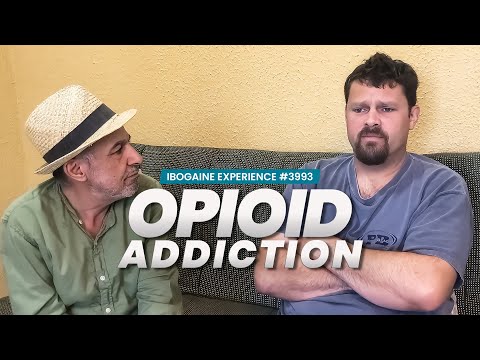
The Email That Saved My Life: How I Broke 20 Years of Opiate Slavery in One Week

0

For two decades, my life was a blurring loop of seeking, using, and recovering, only to start the cycle all over again. Twenty years. That is a generation. That is an entire lifetime for some. For me, it was a long, gray corridor with no doors and no windows.

My battle wasn’t just with street drugs; it was with the “solution” the medical system gave me: Methadone.

They call it treatment; I called it liquid handcuffs. For years, I woke up every morning not to the promise of a new day, but to the crushing weight of dependency. Methadone didn’t get me high, but without it, I got sick. It kept me in a state of suspended animation—numb, depressed, and devoid of any real joy. I was technically “clean” by some definitions, but my soul was rotting. I was consumed by a hopelessness so thick it felt like I was breathing underwater.

I had accepted my fate. I believed that I had permanently broken my brain and that this gray, medicated existence was the best I could hope for.

The Spark in the Dark

The turning point didn’t come from a doctor or a therapist. It came from my inbox.

I received a random email about an Ibogaine clinic. To be honest, I usually deleted things like that without a second thought. But that day, the despair was heavy. I was tired of being a slave to a clinic schedule, tired of the side effects, tired of the depression.

I opened it. I read about a treatment that claimed to interrupt addiction in a single session. I read about a “reset” for the brain.

My immediate reaction was skepticism. Actually, it was more than skepticism; it was cynicism. I’ve been an addict for 20 years, I thought. I’m on a high dose of methadone. Nothing fixes this in a few days. This is a scam.

But desperation is a funny thing. It opens your mind just a crack, just enough to let a tiny beam of “what if” shine through. I did some research. I read the testimonials. They sounded like fairy tales, but the pain of my current reality was real enough to make me take a gamble.

I decided to take the leap. I was terrified, but I figured I had nothing left to lose.

The Arrival: Fear vs. Compassion

Arriving at the clinic, I was a ball of nerves. Withdrawal from methadone is notorious for being long and excruciating—it settles in your bones and stays there for months. I was convinced that even if this “magic medicine” worked for heroin, it wouldn’t touch the methadone.

I was ready to suffer. I was ready to be judged.

Instead, I was met with compassion. The staff, led by David, didn’t look at me like a 20-year addict. They looked at me like a guest. There was no judgment in their eyes, only a quiet confidence that I found baffling. They weren’t worried about my detox. They spoke with the certainty of people who had seen this miracle happen a thousand times before.

Their confidence became my life raft. For the first time in years, I wasn’t just a patient number; I was a human being in pain, and they were there to help me carry it.

The Transformation

The treatment process itself is hard to describe to someone who hasn’t been there. It wasn’t a recreational trip. It was a deep, internal surgery.

I lay down, closed my eyes, and prepared for the worst. But as the Ibogaine took hold, something incredible happened. The “sickness”—that clawing, itching, aching demand for opiates—didn’t come. Instead, my mind began to defrag.

I saw my life. I saw the 20 years of pain, but I saw them from a distance, without the emotional agony attached to them. It was as if the medicine was scrubbing my neurotransmitters, washing away the layers of dependency and trauma that had built up over two decades.

I fell asleep expecting to wake up in withdrawal.

I woke up… hungry.

I woke up clear-headed.

I waited for the other shoe to drop. I waited for the restless legs, the sweats, the anxiety. They didn’t come. The chains were gone.

Walking on the Beach

A few days after the treatment, I did something that would have been physically and emotionally impossible just a week prior. I went for a walk on the beach.

It sounds simple, doesn’t it? But for 20 years, a walk on the beach was just another chore I had to get through while medicated. This time, it was a revelation.

I felt the sand under my bare feet. I smelled the salt in the air. The colors of the ocean seemed sharper, more vibrant, as if someone had turned up the saturation knob on the world. My senses, which had been dampened by opiates for two decades, were suddenly wide awake.

And then, it happened: I laughed.

I don’t mean a polite chuckle. I mean a deep, belly-shaking laugh that came from my core. I was laughing at the sheer beauty of being alive. I was laughing because I was free. The depression that had been my constant companion for years had evaporated, replaced by a sense of peace I hadn’t felt since I was a child.

I looked at my hands and realized they weren’t shaking. I looked at the horizon and didn’t feel dread. I felt hope.

Reclaiming My Life

The most practical miracle of this journey was my return to functionality.

When you are on methadone or heavy opiates, you are often just “getting by” at work. You are present physically, but mentally, you are checking the clock.

After the treatment, I didn’t just go back to work; I attacked it. My cognitive function was sharper than it had been in years. The brain fog was gone. I had energy—real, natural energy, not a chemical buzz.

I found myself able to focus, to create, and to contribute. I was working again, not because I had to pay for a habit, but because I enjoyed being productive. I enjoyed being a part of society.

It Is Possible

I am writing this story for the person who is currently sitting where I sat: staring at a computer screen, reading about recovery, and thinking, “That’s great for them, but it won’t work for me. I’ve been using too long. I’m too broken.”

I was you. I had 20 years of evidence saying I would never get better.

But I was wrong.

Recovery is not just about willpower. Sometimes, it’s about biology. It’s about finding the right tool to reset the system and the right support to guide you through it. The team at the clinic didn’t just give me a treatment; they gave me my life back.

If you are lost in the depths of despair, if you are tired of the liquid handcuffs, please know this: There is a way out. It might sound too good to be true, but I am living proof that the miracle is real. You can laugh again. You can walk on the beach and feel the sun. You can be free.

Don’t ignore the chance. Take the leap.


The Attention Economy Crisis: How Social Media Is Training Kids to Risk Their Lives for Views — and Why Lawyers Are Preparing for a Surge in Claims

0

For today’s children and teenagers, social media isn’t just entertainment — it’s a reward system. A behavioural loop. A digital casino built on notifications, likes, follower counts, and algorithmic jackpots.

And increasingly, experts at Bader Law warn it is teaching young people that danger is a shortcut to attention.

A growing body of research shows that teens are being conditioned by platforms to chase extreme content — not gradually, but suddenly, through algorithmic “drops” designed to maximise engagement. From dangerous stunts to self-harm trends, the viral economy is rewarding risk on an unprecedented scale.

Lawyers and child safety advocates say this is creating a new class of harm: algorithm-induced risk-taking, a form of behavioural manipulation that today’s legal frameworks were never built to address.

The Algorithmic Reward Loop: How Teens Get Hooked on Dangerous Content

What once required weeks of online exposure now takes minutes.

New behavioural-science analysis shows:

  • Teen brains release dopamine when posts get likes

  • Algorithms reward sensational, shocking, or extreme uploads

  • Teens quickly learn that “safer” content performs worse

  • High-risk behaviour receives faster engagement spikes

  • Viral success reinforces the behaviour, creating a habit loop

For vulnerable teens — especially those dealing with loneliness, anxiety, bullying or identity struggles — the feedback loop can become intoxicating.

This is why experts say addiction alone is no longer the biggest threat.
It’s addiction combined with escalation.

When Risk Becomes the Trend: The Rise of “Performance Harm”

A decade ago, the internet rewarded humour and creativity. Today, it rewards spectacle.

Researchers have identified a new category of adolescent behaviour: performance harm — self-endangerment carried out for entertainment or virality.

Examples include:

  • Deliberate falls and impacts

  • Eating or inhaling toxic substances

  • Choking or blackout challenges

  • Shock devices and pain endurance streams

  • Self-inflicted injury “for laughs”

  • Filming medical emergencies for content

Many teens do not intend to injure themselves — they intend to entertain an audience.

But the injuries are very real.

Child psychologists now warn that social media platforms have become “danger accelerators,” taking ordinary developmental impulses (risk-taking, impulsivity, social comparison) and amplifying them to extremes previously unseen.

Hospitals Are Seeing the Effects First

ER doctors interviewed for safety studies report the same patterns:

  • Children injured while filming content

  • Teens refusing treatment until they capture a final clip

  • Injuries consistent with known viral trends

  • Repeat visits from the same teens chasing more attention

  • Adolescents engaging in harmful actions in groups, competing for “best footage”

According to new hospital data:

  • ER visits linked to social media filming increased 23% between 2023–2025

  • Multi-trauma injuries (head + limb + spine) are increasing among ages 12–17

  • Poison control centres report a 15% rise in ingestion-related stunts

  • Self-inflicted burn injuries among teens are at their highest in a decade

Doctors describe the trend with one sentence:
“Kids aren’t getting hurt by accident — they’re getting hurt on purpose.”

A Perfect Storm: Psychology + Platform Design + Peer Pressure

The white papers and safety reports that have emerged in 2024–2025 all point to the same multi-factor problem:

  1. Adolescent psychology (impulsivity, underdeveloped risk assessment)

  2. Social reward systems (likes, shares, instant popularity)

  3. Algorithmic amplification (extreme content spreads fastest)

  4. Peer pressure (group filming and dares)

  5. Parasocial audiences (strangers cheering harmful acts)

Experts warn that this combination is “structurally unsafe” for teenagers — but highly profitable for platforms.

Which is why the legal tide is turning.

Courts Are Now Confronting the Attention Economy Itself

Until recently, most legal action focused on content moderation or addiction. But new lawsuits argue something far more serious:

Platforms are designing systems that directly incentivise harmful acts.

Emerging legal arguments include:

  • Algorithms function like a behavioural experiment without consent

  • Platforms knowingly promote trends that endanger minors

  • Reward mechanics (likes, boosts, rankings) encourage risky behaviour

  • Lack of age boundaries constitutes negligence

  • Dangerous content is predictable, foreseeable, and preventable

Cases now in early motion include:

  • Claims involving stunt-related paralysis

  • Cases involving children injured while livestreaming

  • Lawsuits over algorithmic funnels into self-harm challenges

  • Wrongful-death claims tied to platform recommendation systems

Lawyers say we’re moving from “kids got hurt after seeing content” toward:
“Kids got hurt because the platform incentivised it.”

Section 230 May Not Shield Platforms Forever

Historically, Section 230 protected platforms from liability for user-generated content.

But judges are starting to ask:

  • Is an algorithm that pushes harmful material user content or platform design?

  • If platform features directly contribute to harm, should immunity still apply?

  • Should children be treated differently under Section 230?

The outcome of the Social Media MDL (consolidating thousands of lawsuits) may rewrite the legal boundaries completely.

Parents Are Overwhelmed — and Outmatched

Parents report that:

  • Challenges spread faster than they can monitor

  • Kids hide their “alt accounts,” sometimes dozens

  • Algorithms recommend content that never appears in search history

  • Teens deny or minimise participation until harm occurs

  • Schools are now disciplining children for content filmed at home

This is why experts are calling today’s crisis “algorithmic parenting” — platforms are shaping behaviours faster and more effectively than families can intervene.

What Needs to Happen Next

The experts contributing to safety white papers recommend urgent reforms:

  • Meaningful age verification

  • Algorithm transparency and parental oversight

  • Limits on virality mechanics for minors

  • Clearer legal liability for harmful platform design

  • Mandatory child-safety impact assessments

  • Restrictions on reward features that incentivise risk

They argue that the current environment is not sustainable — and the cost is being borne by families, schools, hospitals, and the courts.

The attention economy has become a danger economy.
The question now is whether lawmakers, regulators, and judges will act quickly enough to protect the next generation from an online world that is training them to risk their lives for the sake of a few seconds of fame.

Common Injuries in Fort Lauderdale Car Accidents—and How Attorneys Can Help

0

In Fort Lauderdale crashes, victims may experience a range of injuries including whiplashherniated discs, fractures, concussions or traumatic brain injuries (TBI), spinal cord damage, lacerations and scarring, as well as joint injuries to the shoulder or knee. Additionally, psychological trauma such as PTSD is also prevalent.

The Law Offices of Anidjar and Levine can assist you in securing prompt imaging and medical experts, documenting your symptoms, preserving crucial evidence, and establishing fault and causation. They will coordinate with experts, help quantify lost income and future care needs, and negotiate or litigate for full compensation on your behalf. For more information on how each injury is proven, treated, and valued, visit our Fort Lauderdale Car Accident Lawyer page.

Key Takeaways

  • Whiplash and soft-tissue injuries can lead to neck pain and stiffness; timely evaluation, rehabilitation, and thorough documentation are essential for recovery and supporting injury claims.
  • Back and neck injuries, including herniated discs, may cause radiating pain; imaging, conservative therapy, and ergonomic planning can facilitate healing and substantiate damage claims.
  • Fractures can vary from simple to compound; prompt imaging, stabilization or surgery, and therapy are critical, with attorneys from the Law Offices of Anidjar and Levine helping to quantify treatment costs and lost wages.
  • Concussions and traumatic brain injuries (TBIs) may exhibit delayed symptoms; neurological examinations and imaging are vital for care guidance, while lawyers can coordinate with experts to establish prognosis and financial implications.
  • PTSD and psychological trauma can significantly affect driving abilities and daily activities; seeking mental health treatment and maintaining meticulous records can strengthen claims for pain and suffering as well as future care needs. For those involved in car accidents, consulting a Fort Lauderdale Sideswipe Accident Injury Lawyer can be crucial for navigating the complexities of your case.

Whiplash and Soft Tissue Damage

When a collision snaps your head forward and back, the sudden force can strain or tear the neck’s soft tissues, leading to whiplash and related injuries. You may experience neck painstiffnessheadaches, shoulder discomfort, or dizziness, sometimes appearing hours or days later. Prompt evaluation matters, because early imaging and clinical exams help rule out complicating factors and guide targeted care.

Effective whiplash prevention begins with correct head restraint positioning, attentive driving, and consistent seat belt use. After an impact, document symptoms, seek medical care immediately, and follow a structured plan. Soft tissue rehabilitation typically includes guided range-of-motion work, progressive strengthening, postural training, and modalities that reduce inflammation and restore function. Adhering to a home program, while avoiding premature strain, supports durable recovery.

Attorneys can coordinate timely medical referrals, preserve records, and secure resources for treatment. They also manage claims, quantify losses, and advocate for care that aligns with your service-focused values.

Fractures and Broken Bones

When a crash causes fractures, you’ll most often encounter simplecompound, or comminuted breaks, each carrying distinct risks and urgency. You should recognize essential symptoms—acute pain, swelling, deformity, and limited function—and seek prompt imaging, typically X-rays or CT scans, for a precise diagnosis. Treatment may range from immobilization and casting to surgical fixation, and you’ll need a structured rehabilitation plan to restore strength, mobility, and safe function.

Common Fracture Types

Frequently, high-impact collisions in Fort Lauderdale produce fractures that range from simple cracks to complex breaks requiring surgery. You’ll most often see transverse fractures from direct blows, spiral fractures from twisting forces, and oblique fractures when angled stress travels along the bone. Comminuted fractures shatter the bone into several fragments, complicating stabilization and recovery. Compound fractures pierce the skin, inviting contamination and requiring urgent surgical management to protect function.

Greenstick fractures appear in children, bending rather than fully breaking the bone, while buckle fractures compress the cortex without complete separation. Pay close attention to injuries near a growth plate, as disruption can affect limb development. Avulsion fractures occur when a tendon or ligament pulls off a bone fragment, and stress fractures develop from repetitive microtrauma intensified by crash-related forces.

Symptoms and Diagnosis

Understanding how fractures present helps you act quickly after the types of breaks discussed above. You’ll notice sharp, focal pain that worsens with movement, visible deformity or swelling, and limited function in the injured limb. Early detection matters, because prompt imaging confirms the extent and location of the break, guiding safe next steps. Clinicians perform a differential diagnosis to distinguish fractures from severe sprains, dislocations, or ligament tears, preventing harmful delays.

  • A wrist angling unnaturally, swelling rising like a ridge under the skin
  • Purple bruising spreading across the forearm, darkening by the hour
  • A leg that won’t bear weight, each attempt sending a bright, stabbing signal
  • A shoulder held rigid, muscles guarding the joint against any shift

Expect X‑rays first, with CT or MRI clarifying intricate or occult injuries.

Treatment and Recovery

From the moment a fracture is confirmed, treatment focuses on realignment, stabilization, and early mobilization to protect healing and restore function. You’ll likely receive reduction, casting or splinting, and, when indicated, surgical fixation with plates, screws, or rods. Pain management supports mobility, while early physical therapy preserves range of motion and prevents stiffness. Your care team will monitor healing with follow-up imaging, adjusting weight-bearing as bone union progresses.

Recovery planning extends beyond the clinic. You may need temporary home modifications, such as grab bars, ramps, or raised seating, to reduce fall risk and support safe independence. If injuries affect job duties, vocational rehabilitation can align limitations with suitable roles, retraining when necessary. Document recommendations carefully, maintain appointments, and prioritize graded activity to guarantee durable, functional recovery.

Traumatic Brain Injuries and Concussions

After a collision, you should recognize potential signs and symptoms of traumatic brain injuries and concussions, including headaches, confusion, nausea, sensitivity to light, and changes in mood or sleep. You’ll likely undergo diagnosis and testing through neurological exams and imaging such as CT or MRI, which help document the injury’s extent and guide treatment. You should also seek coordinated legal and medical support promptly, ensuring proper care, evidence preservation, and protection of your rights in Fort Lauderdale claims.

Signs and Symptoms

Though some head injuries are immediately obvious, traumatic brain injuries and concussions often present with subtle, evolving signs that you can easily overlook after a Fort Lauderdale crash. You may notice subtle indicators at first, then experience delayed symptoms hours or days later. Headaches that worsen, dizziness, nausea, or brief confusion can signal injury, even when you didn’t lose consciousness. Sensitivity to light or noise, sleep disruption, mood shifts, and trouble concentrating often emerge quietly, yet they can impair how you serve others effectively. Watch for memory gaps, slowed thinking, or irritability that feels unlike you. If loved ones observe changes in your speech, balance, or demeanor, take them seriously.

  • A dim room, lights too sharp to bear
  • A calendar missed, appointments forgotten
  • A steady gait, suddenly uncertain
  • A familiar task, now strangely difficult

Diagnosis and Testing

Recognizing subtle symptoms is only the start; accurate diagnosis requires a structured medical evaluation that rules out life‑threatening conditions and identifies the scope of injury. After a crash, you’ll undergo a focused neurological exam, including orientation, cranial nerve checks, balance, and memory screening. Clinicians follow evidence‑based imaging protocols: CT scans quickly detect bleeds or skull fractures, while MRI evaluates diffuse axonal injury and microhemorrhages when symptoms persist.

Providers may order biomarker testing to assess proteins released after brain trauma, supporting decisions on imaging and observation. Serial assessments track changes over hours and days, since deterioration can be delayed. Vestibular and oculomotor testing clarifies dizziness and visual disturbances. Baseline comparisons, if available, refine interpretation. Collectively, these steps establish diagnosis, severity, and safe return‑to‑activity guidance.

Because traumatic brain injuries can evolve and legal deadlines can run quickly, you need coordinated medical and legal support from day one. You should seek immediate neuro-evaluationsfollow-up imaging, and symptom monitoring, while your attorney manages claims, preserves evidence, and safeguards timelines. This dual track guarantees medical advocacy informs legal coordination, aligning treatment records with liability proof and future damages.

  • Ambulance lights reflecting on wet pavement while you struggle to focus.
  • A quiet MRI suite, the hum steady as images capture hidden brain trauma.
  • A neatly organized case file, timelines and bills aligned beside therapy notes.
  • A courtroom’s solemn seal, your testimony supported by clear medical findings.

With structured communication, your team documents cognitive changes, anticipates long-term care, and pursues all-encompassing, timely compensation.

Spinal Cord Injuries and Paralysis

When a collision forces violent, unnatural movement of the neck or back, the spinal cord can suffer damage that disrupts signals between the brain and body, leading to partial or complete paralysis. You may face impaired sensation, loss of motor control, or autonomic dysfunction affecting breathing, temperature regulation, and bladder or bowel control. Early imaging and prompt spinal stabilization reduce secondary harm, while timely surgery may decompress damaged tissue and protect remaining function.

Rehabilitation focuses on strengthening preserved pathways, training adaptive techniques, and integrating mobility aids that support independence and safe caregiving. You’ll coordinate with physiatrists, therapists, and assistive technology experts to design a plan that prioritizes functional goals and community reintegration. An attorney helps you secure emergency care, document deficits, and pursue compensation for lifelong needs, including home modifications, personal attendants, and advanced equipment. Your counsel also coordinates expert testimony to establish prognosis, quantify future costs, and hold negligent parties accountable with precision and urgency.

Back and Neck Injuries, Including Herniated Discs

Beyond catastrophic spinal cord damage, many crashes inflict back and neck injuries that disrupt daily life and work, even without permanent paralysis. You may face whiplash, muscle strains, or herniated discs that compress nerves, causing radiating pain, numbness, or weakness. Prompt evaluation matters, as imagingconservative therapy, and careful spinal alignment can limit long‑term impairment. Attention to workplace ergonomics, safe lifting, and gradual return‑to‑work plans also protects recovery and preserves your capacity to serve others.

  • Morning stiffness that eases only after cautious stretching and heat
  • A sharp, electric ache running from your neck into shoulder and arm
  • A dull lumbar throb that spikes when you sit, sneeze, or brake hard
  • A tingling “sleeve” sensation down the leg after short walks

Attorneys help you document symptoms, secure medical experts, and calculate lost income and future care. They coordinate medical records, illustrate functional limits, and contest insurer minimization, so you can focus on healing and trusted service.

Chest Trauma and Internal Organ Damage

You face significant chest trauma risks in crashes, including rib fractures, lung contusions, and blunt-force injury to the heart, spleen, or liver from seat belts, airbags, or steering wheel impact. Seek urgent care if you experience chest pain, shortness of breathcoughing up blood, rapid heartbeat, dizziness, or worsening abdominal tenderness. After stabilizing your health, you should document findings, follow expert care, and consult experienced legal counsel to protect your rights and secure resources for treatment and recovery.

Common Causes and Risks

Brace for the realities of chest trauma and internal organ damage in Fort Lauderdale crashes, where forceful deceleration, frontal impacts, and side collisions commonly transmit energy directly to the thorax. You face heightened risk when vehicle cabins deform, helm intrude, or seatbelts load across the sternum under extreme force. Distracted driving and poor signage amplify these dangers by increasing abrupt stops, misjudged turns, and high-energy impacts at intersections. Even at moderate speeds, blunt force can bruise lungs, lacerate the liver or spleen, and fracture ribs, compounding internal bleeding risk.

  • Airbags bursting open, a hard jolt compressing the chest
  • A steering wheel rim bending inward toward your ribs
  • A T-bone strike shoving the door into your torso
  • Sudden braking hurling you against a restrained belt

Symptoms Requiring Urgency

Force transmitted to the chest or abdomen in a Fort Lauderdale crash isn’t just painful—it can signal injuries that demand immediate care. You should watch for sharp chest pain, shortness of breath, or tenderness that worsens with movement. Rapid heart rate, pale or clammy skin, and lightheadedness reflect autonomic symptoms that often accompany internal bleeding. Don’t overlook delayed indicators such as increasing abdominal distension, nausea, or fainting hours after impact. Act promptly to protect life and preserve function.

Urgent Symptom Why It Matters
Shortness of breath May indicate lung contusion, pneumothorax, or cardiac injury
Abdominal distension Suggests internal organ damage or hidden hemorrhage
Rapid pulse, clammy skin Signals shock from blood loss and requires immediate evaluation

When in doubt, call emergency services and seek hospital assessment without delay.

In the aftermath of a Fort Lauderdale collision involving chest trauma or suspected internal organ damage, prompt medical care and early legal guidance work hand in hand to protect your health and your claim. You should seek emergency evaluation, then engage counsel who understands trauma care pathways. Effective medical coordination guarantees timely imaging, specialist referrals, and documented treatment plans, while legal advocacy preserves evidence, manages insurers, and secures resources for recovery. Your attorney can align providers, track expenses, and link symptoms to the crash with precision, strengthening causation and damages.

  • Monitors beeping softly as clinicians assess rib fractures and organ injury.
  • CT images revealing subtle internal bleeding requiring rapid intervention.
  • A neatly organized file of medical records, bills, and provider notes.
  • A structured timeline aligning symptoms, diagnostics, and treatment milestones.

Cuts, Lacerations, and Scarring

Shattered glass, torn metal, and deploying airbags can turn a collision into a scene where cuts, lacerations, and lasting scars are common. You may face wounds that range from superficial abrasions to deep tissue injuries that threaten nerves, vessels, and tendons. Immediate care matters; prompt cleansing, layered closure, and infection control reduce complications and preserve function.

After stabilization, you should plan for scar managementPressure therapy, silicone sheeting, steroid injections, and laser treatments can soften hypertrophic or keloid scars, while cosmetic revision may refine thick or irregular tissue once healing plateaus. Photographs, treatment logs, and expert evaluations document progress and demonstrate the injury’s visibility, pain, and psychosocial impact.

An attorney coordinates medical experts, protects your claims, and pursues compensation for procedures, future care, and disfigurement. They organize records, secure witness statements, and negotiate with insurers, ensuring your recovery includes resources to restore appearance, dignity, and confidence as fully as possible.

Shoulder, Knee, and Joint Injuries

Although seatbelts and airbags reduce catastrophic harm, the abrupt torsion and impact of a crash often leave shoulders, knees, and other joints vulnerable to serious damage. You may face rotator cuff tearsmeniscus injuries, dislocations, or ligament sprains that limit strength, range of motion, and safe mobility. Swelling, clicking, and joint instability can develop quickly, and delayed symptoms may mask deeper harm. Prompt evaluationimaging, and a clear rehabilitation plan help you protect long‑term function and prevent secondary complications.

Crash forces spare lives but strain joints—prompt imaging and rehab protect strength, motion, and long‑term function.

  • A shoulder that won’t lift a grocery bag, aching with every reach
  • A knee that buckles on stairs, throbbing after short walks
  • A wrist or ankle that grinds when rotated, resisting simple tasks
  • A hip that stings during sleep, breaking your restorative rest

Attorneys can coordinate medical documentation, preserve evidence, and quantify therapy, surgery, and time away from service. They pursue compensation for orthopedic care and adaptive equipment, ensuring you can continue serving others without sacrificing your recovery.

Psychological Trauma and PTSD

Physical injuries often command immediate attention, yet the mind can carry wounds that are just as disabling. After a Fort Lauderdale crash, you may experience intrusive memoriesnightmareshypervigilance, or avoidance of driving and intersections. These symptoms align with psychological trauma and, in some cases, PTSD, which can hinder work, caregiving, and community service. Early evaluation by a licensed mental health professional supports accurate diagnosis and a focused recovery plan.

Effective coping strategies include structured therapy, such as cognitive behavioral approaches, gradual exposure, and mindfulness practices. Consistent sleep routines, limited media triggers, and measured returns to normal activities also help. Medication may be appropriate when prescribed and monitored. The family impact is significant, as loved ones often struggle with your mood shifts, startle responses, and withdrawal. Educating relatives, setting predictable routines, and pursuing family counseling can stabilize the home. Documenting symptoms, treatment progress, and functional limitations guarantees continuity of care and promotes long‑term resilience.

How Attorneys Build Strong Injury Claims and Maximize Compensation

Start by assembling the evidence that proves fault, causation, and the full scope of your losses, because strong claims are built on verified facts. You begin with police reports, photos, medical records, and witness statements, then map each piece to a clear timeline. Your attorney preserves electronic data, subpoenas video, and consults authorities to quantify future care and lost earning capacity. Expert testimony strengthens each element, translating intricate injuries into clear, persuasive conclusions.

  • Skid marks dark on hot pavement, framed by crushed metal and scattered glass.
  • Medical imaging glowing on a monitor, bones and ligaments traced in precise lines.
  • Bills stacked neatly, each page marked, totals highlighted in bold figures.
  • A calendar filled with therapy sessions, follow-up visits, and recovery milestones.

With liability and damages documented, your lawyer crafts a demand that anticipates defenses and anchors value. Strategic settlement negotiation follows, leveraging facts and experts. If insurers stall, litigation pressure secures full, fair compensation.

Conclusion

After a Fort Lauderdale crash, you’ll need prompt medical care, thorough documentation, and a disciplined legal strategy. The Law Offices of Anidjar and Levine can preserve evidence, coordinate experts, calculate full damages, and counter insurance tactics. You’ll better protect your rights, accurately value your claim, and meet strict deadlines. By acting quickly, you strengthen causation, prove liability, and maximize compensation for medical costs, wage loss, pain and suffering, and future care. Don’t wait—secure counsel to guide each step and safeguard your recovery. For specific cases, such as T-bone accidents, consider consulting a Fort Lauderdale T-Bone Accident Lawyer.

How Better Office Equipment Improves Employee Morale

0

If you’re a small business owner, you’re used to wearing multiple hats. You’re the CEO, the head of marketing, the IT department, and sometimes even the one who fixes the coffee machine. With so much to do, the way you get work done—your “workflow”—isn’t just a buzzword. It’s the key to your survival and growth.

A clunky, inefficient workflow is a silent killer of small businesses. It’s the time you waste searching for a file, the 20 minutes you spend re-entering data from one program into another, or the bottleneck that happens every time an invoice needs your approval.

The good news is that fixing your workflow doesn’t mean you have to buy a dozen new, expensive software platforms. It’s about being deliberate. It’s about finding and removing friction. This can be as simple as creating a checklist or as critical as updating office equipment that’s holding your team back. A slow, jamming printer isn’t just an annoyance; it’s a roadblock in your workflow, and getting rid of it can have a surprisingly big impact.

Here are a few practical, high-impact ways small businesses can streamline their day-to-day operations.

1. Stop and Map Your Current Process

You can’t fix a bottleneck if you don’t know where it is. The first step is to grab a pen and paper (or a digital whiteboard) and literally map out a core process from start to finish.

Take something simple, like “fulfilling a customer order.” Write down every single step:

  • Who receives the order?
  • Where does that email go?
  • Who checks the inventory?
  • Who prints the shipping label?
  • Who approves the invoice?

When you see it all laid out, the problems become obvious. You might realize that two different people are doing the same task, or that a single approval is holding up the entire process for 24 hours. This visual map is your guide to what needs to be fixed.

2. Automate the “Robot” Work

Every small business has “robot work”—the repetitive, mind-numbing tasks that eat up hours of your week. This could be manually entering data, sending payment reminders, or posting on social media.

This is where automation is your new best friend. You don’t need to be a tech wizard. Tools like Zapier or IFTTT (If This, Then That) can connect the apps you already use. For example, you can set up a simple “recipe” so that every time a customer fills out a “Contact Us” form on your website, their information is automatically added to your email list and a task is created for a salesperson to follow up.

You’ve just saved 10 minutes and eliminated the risk of that lead falling through the cracks.

3. Upgrade the Right Tools

Sometimes, the problem isn’t the process; it’s the tools. We all love to be frugal, but hanging on to that five-year-old laptop that takes 10 minutes to boot or that ancient printer that jams every 20 pages is not saving you money. It’s costing you in payroll.

Think about the “cost per hour” of your employee. If your team wastes a combined two hours every week battling a slow computer or a faulty copier, that’s 104 hours a year you’re paying for… nothing.

Modernizing your core equipment is a high-return investment. A new multifunction printer (MFP), for example, isn’t just a printer. It’s a workflow hub. It can scan a document directly to a shared cloud folder, send it to a specific email, and even make the text searchable. You’ve just eliminated three manual steps (scan, save, attach, email) in one go.

4. Create a Central “Source of Truth”

How much time does your team spend looking for things? “Where is the latest client logo?” “What’s the password for the FedEx account?” “Who has the final version of that proposal?”

This is information chaos. A “source of truth” is one central, cloud-based place where all important information lives. This could be a shared Google Drive, a a project management tool like Asana or Trello, or a simple, organized password manager for your team.

When everyone knows exactly where to find what they need, the endless chain of “Hey, do you have…” emails and messages disappears.

5. Standardize Your Checklists

Checklists are the simplest and most powerful workflow tool on the planet. They are the secret behind the efficiency of pilots, surgeons, and top-tier restaurant kitchens.

Why? Because they eliminate guesswork and prevent stupid mistakes.

Create a simple, step-by-step checklist for every repeatable task in your business: onboarding a new client, publishing a blog post, or closing out the books at the end of the month. This ensures the task is done the same way, every time, no matter who is doing it. This is the key to consistency and quality.

6. Make “Review” a Regular Habit

Your workflow is not a “set it and forget it” project. It’s a living thing. You should have a quick 30-minute meeting with your team once a quarter to ask one simple question: “What’s annoying you?”

Your team is on the front lines. They know exactly where the friction is. They’ll be the ones to say, “The way we process refunds is a nightmare and takes four steps too many.” Listen to them. These insights are gold.

As the U.S. Small Business Administration (SBA) often points out, managing your business’s day-to-day operations is key to success. Similarly, a Harvard Business Review article on workflow highlights that removing obstacles is a leader’s most important job.

By taking these small, deliberate steps, you can take the friction out of your daily grind. You’ll free up time, reduce errors, and build a more resilient, productive, and profitable business.

Commercial Plumbing Service Tips For Business Owners

0

Let’s paint a picture. It’s your busiest day. The lunch rush is on, the big client is in the conference room, or your retail store is packed. Suddenly, a panicked employee tells you the main restroom is… well, not working. A backed-up drain, a toilet that won’t stop running, or—even worse—no hot water in the building.

A “minor” plumbing issue just became a full-blown business disaster. It’s an operations nightmare, a customer-service crisis, and a direct hit to your reputation.

Here’s the truth: commercial plumbing isn’t just a “bigger” version of residential. It’s a complex, high-use system that works harder and faces infinitely more strain. It’s a core part of your operations, and ignoring it isn’t “saving money”; it’s just delaying a much bigger, more expensive bill.

That’s why a proactive approach, built on regular plumbing service & maintenance, isn’t a luxury. It’s a critical business strategy. Waiting for a catastrophe to happen is the most expensive maintenance plan you can have.

Why Commercial Plumbing Is a Different Beast

A home toilet might get used a dozen times a day. A toilet in a busy restaurant or office building can see a hundred uses before noon. The grease trap in a restaurant handles more in a day than a home kitchen does in a year.

The demand, the scale, and the stakes are all higher. A problem isn’t just an inconvenience; it’s downtime, lost revenue, and potential health code violations. Proactive maintenance is your only defense.

Your Proactive Plumbing Checklist: Key Areas to Watch

So, what does “proactive” actually look like? It means shifting from a “react and repair” mindset to a “prevent and protect” one. It starts with focusing on the four biggest trouble spots for any business.

1. Spotting the Silent Killers: Regular Leak Inspections

The most expensive plumbing problems are almost always the ones you don’t see. A slow, hidden drip inside a wall or ceiling might seem minor, but over weeks, it can lead to thousands in structural damage, inventory loss, mold remediation, and forced downtime.

A professional will spot the subtle signs you’d miss: the small dip in water pressure, the faint discoloration on a ceiling tile, or the subtle signs of corrosion on a pipe junction. Regular visual inspections of all accessible pipes, valves, and hookups are critical.

2. The Clog That Can Close Your Doors: Drain & Sewer Line Care

For a restaurant, a grease trap clog is a business-ending event. For an office building, a main sewer line backup is an evacuation-level disaster. Commercial drains and sewers are subjected to an incredible amount of abuse, from kitchen grease and food solids to public restroom waste.

Without regular maintenance, they will clog. Proactive hydro-jetting or professional snaking is the only way to keep these lines clear. It prevents foul odors, stops slow drains, and eliminates the risk of that catastrophic backup that closes your doors.

3. Keeping the Heat On: Hot Water System Maintenance

In many businesses, hot water is not a luxury—it’s a legal requirement. You can’t run a food service kitchen or a salon, and in many cases even an office, without reliable hot water for sanitation.

Commercial water heaters are heavy-duty workhorses, but they aren’t “set it and forget it” machines. They need to be serviced annually to flush sediment (which ruins efficiency), check heating elements or burners, and test the temperature and pressure (T&P) relief valve. This maintenance dramatically extends the life of the unit and, more importantly, ensures you won’t get that cold-water surprise on a busy morning.

4. The Customer-Facing Front Line: Restroom Fixture Upkeep

Your restrooms are a direct reflection of your business. A constantly running toilet, a dripping faucet, or a broken flushometer makes your entire establishment look neglected and poorly managed.

These “minor” issues also waste a staggering amount of water. The EPA’s WaterSense program has entire guides on how a few small fixture leaks in a commercial building can add up to thousands of gallons (and dollars) of waste per year. This is also a compliance issue, as OSHA standards mandate that workplace facilities be kept in a clean and sanitary condition. Regular checks on these fixtures are non-negotiable.

Why “DIY” Is a Bad Business Decision

This isn’t a task for your maintenance guy with a handheld wrench. The stakes are simply too high. Commercial-grade fixtures are more complex, the pipe systems are larger and more intricate, and the compliance codes (like backflow prevention) are far stricter.

This is where the value of a true professional partnership becomes crystal clear.

Hiring a professional commercial plumber means you have an expert who understands the unique demands of your business. They have the specialized, expensive equipment (like video inspection cameras for sewer lines and high-power hydro-jetters) to diagnose a problem at its source, not just treat a symptom.

Ultimately, routine maintenance is about ensuring reliability. It’s an investment in uptime. That peace of mind—knowing that your systems are being professionally monitored, maintained, and managed—is the real ROI. It’s what lets you focus on your customers, not your pipes.

India’s Leading B-Schools: Choosing the Right MBA College for You

0

Pursuing a Master of Business Administration has become a crucial step for students aiming to build a strong career in management and leadership. With numerous institutions offering quality education, identifying the Top MBA College in India requires careful evaluation of several factors such as rankings, faculty, placements, and academic reputation.

When selecting a college, the reputation of the institute plays a significant role. India is home to some of the most prestigious B-Schools known for their rigorous curriculum, experienced faculty, and global exposure. Institutes like the Indian Institutes of Management, Indian School of Business, XLRI Jamshedpur, and SP Jain Institute of Management are consistently listed among the top choices for management education. These institutions not only focus on academic excellence but also emphasize leadership development, research, and industry engagement.

A key consideration when searching for the Top MBA College in India is the admission process. Most reputed institutes accept scores from national-level entrance examinations such as CAT, XAT, GMAT, and NMAT. The selection process generally includes a written test, group discussion, and personal interview. Strong academic performance and relevant work experience further strengthen a candidate’s profile.

Another important factor is placement performance. Leading MBA colleges maintain strong relationships with top recruiters across industries, offering students opportunities in consulting, finance, marketing, operations, and technology. The placement statistics of premier B-Schools highlight not only impressive salary packages but also diverse career opportunities in global organizations.

Infrastructure and learning resources also contribute to the overall experience. The Top MBA Colleges in India provide modern facilities, case-based learning, and exposure to live projects. Many institutions have collaborations with international universities, allowing students to gain global perspectives and cross-cultural understanding.

Specializations offered by MBA colleges are equally important when making a decision. Popular fields include Marketing, Finance, Human Resources, Operations, Business Analytics, and International Business. Choosing the right specialization helps align academic learning with career goals and industry demands.

Accreditation and ranking serve as indicators of quality. Institutes accredited by bodies such as AACSB, EQUIS, or AMBA are recognized for maintaining global standards in management education. The National Institutional Ranking Framework (NIRF) also publishes an annual list of the Top MBA Colleges in India, considering parameters like teaching, learning, research, and placement outcomes.

Location can influence the choice of college as well. Institutions situated in major business hubs like Delhi, Mumbai, Bangalore, and Hyderabad offer better access to corporate exposure and internship opportunities.

Ultimately, choosing the Top MBA College in India involves aligning one’s academic background, professional aspirations, and personal preferences. A thorough understanding of each institute’s strengths, placement trends, and admission requirements ensures an informed decision. Among the emerging names making a strong mark in management education, Narayana Business School stands out for its innovative programs, strong placement record, and focus on experiential learning. With its industry-driven curriculum and modern infrastructure, it continues to attract students aspiring to build successful management careers in India’s dynamic business environment.

Narayana Business School has established itself as a distinguished institution that blends academic excellence with practical industry exposure. Its management programs are designed to develop analytical thinking, leadership skills, and strategic decision-making abilities among students. The curriculum integrates real-world business challenges, case studies, and live projects, ensuring that students gain hands-on experience before entering the corporate world.

The institute’s focus on outcome-based education and innovation-driven learning makes it one of the Top MBA Colleges in India for aspiring professionals. With a faculty team comprising experienced academicians and industry experts, Narayana Business School provides mentorship that bridges the gap between theoretical knowledge and practical application. The institute’s commitment to continuous improvement and research-oriented learning further enhances its academic standards.

Placement opportunities at Narayana Business School reflect its strong industry network. Leading companies across sectors such as finance, consulting, IT, and marketing recruit from the campus, offering diverse roles and competitive salary packages. The dedicated placement cell works closely with organizations to ensure that students are well-prepared to meet industry expectations.

Apart from academic excellence, the campus environment at Narayana Business School promotes holistic development. Students participate in various leadership workshops, entrepreneurial activities, and professional development programs that enhance their interpersonal and managerial capabilities. The institute also emphasizes ethical leadership, social responsibility, and sustainability—values that are integral to modern business management.

Choosing Narayana Business School as your preferred destination for management education can be a transformative decision. With its strong academic foundation, exceptional placement support, and emphasis on experiential learning, it continues to shape future leaders ready to make a meaningful impact in the business world. For students aiming to join the Top MBA College in India, Narayana Business School offers the right blend of quality education, industry exposure, and professional growth opportunities that define successful management careers.

The Future of Design: The Evolving CAD Software

0

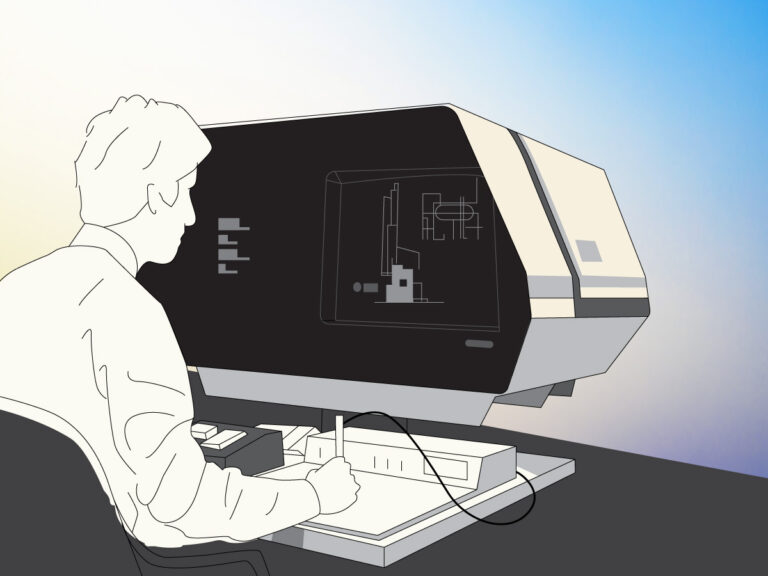
Computer-aided design (CAD) has changed considerably since its inception about 60 years ago. What once required large drafting tables, precision tools, and years of skill can now be accomplished digitally in a shorter amount of time with less bulky hardware.


Early CAD systems that ran on UNIX systems provided better speed and precision to blueprinting, but were costly and required a significant amount of technical knowledge. The 1990s became a major turning point when CAD software became widely accessible on Windows personal computers. This shift made CAD more affordable and easier to learn, reducing cost per seat and eliminating the need for expensive, specialized hardware. Continued advancements have made CAD software even more accessible to other people besides engineers and designers, such as academics and children. 


Today, CAD can be used to create an abundance of technological applications, from heavy-duty industrial machines to consumer products such as dumbbells and doorbell cameras. Beyond the technology itself, CAD has evolved into a vibrant global community of students, entrepreneurs, designers, and executives as well who are passionate about all aspects of product design and development. 


Looking ahead, CAD has an exciting future ahead with the integration of AI and machine learning to create virtual design assistants that have the potential to make design even more accessible, efficient, and collaborative than it is now. 

30th anniversary
Source: SolidWorks

The Growing Use of AI Agents in Healthcare

0

As healthcare increasingly adopts agentic AI, experts believe its usage will climb to as much as 33% by 2028. This is due to the fact that healthcare AI agents have the ability to work independently without human input while also being capable of improving their results based on feedback received from previous outcomes. Compared to public-facing models, these healthcare AI agents are less restricted by the data they have access to and are less prone to privacy violations. 

In today’s world of healthcare, AI agents in healthcare are used to improve operations such as insurance verification, referral processing, refill request processing, and status confirmation. These agents ease processes for provider groups, ambulatory services, and specialized services, which in turn increases revenue, saves time, and procures cost savings. For patients, this means they get faster diagnoses, more attentive care from the care team, and better treatment. 

A growing number of workers in the industry think agentic AI will become a big part of healthcare workflows in the near future. However, this will only be the case if AI agents are effectively able to reduce time spent on accomplishing administrative work, streamline how staff carry out their responsibilities, come with appropriate training, and provide access to accurate data outputs. When tailored to the unique demands of the healthcare industry, AI agents can generate meaningful improvements that will benefit providers, patients, and organizations alike.

How AI AGENTS are increasingly becoming healthcare’s new workforce
Source: Orbit Healthcare