
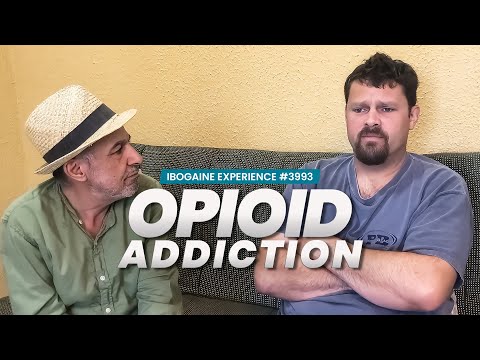
For two decades, my life was a blurring loop of seeking, using, and recovering, only to start the cycle all over again. Twenty years. That is a generation. That is an entire lifetime for some. For me, it was a long, gray corridor with no doors and no windows.
My battle wasn’t just with street drugs; it was with the “solution” the medical system gave me: Methadone.
They call it treatment; I called it liquid handcuffs. For years, I woke up every morning not to the promise of a new day, but to the crushing weight of dependency. Methadone didn’t get me high, but without it, I got sick. It kept me in a state of suspended animation—numb, depressed, and devoid of any real joy. I was technically “clean” by some definitions, but my soul was rotting. I was consumed by a hopelessness so thick it felt like I was breathing underwater.
I had accepted my fate. I believed that I had permanently broken my brain and that this gray, medicated existence was the best I could hope for.
The Spark in the Dark
The turning point didn’t come from a doctor or a therapist. It came from my inbox.
I received a random email about an Ibogaine clinic. To be honest, I usually deleted things like that without a second thought. But that day, the despair was heavy. I was tired of being a slave to a clinic schedule, tired of the side effects, tired of the depression.
I opened it. I read about a treatment that claimed to interrupt addiction in a single session. I read about a “reset” for the brain.
My immediate reaction was skepticism. Actually, it was more than skepticism; it was cynicism. I’ve been an addict for 20 years, I thought. I’m on a high dose of methadone. Nothing fixes this in a few days. This is a scam.
But desperation is a funny thing. It opens your mind just a crack, just enough to let a tiny beam of “what if” shine through. I did some research. I read the testimonials. They sounded like fairy tales, but the pain of my current reality was real enough to make me take a gamble.
I decided to take the leap. I was terrified, but I figured I had nothing left to lose.
The Arrival: Fear vs. Compassion
Arriving at the clinic, I was a ball of nerves. Withdrawal from methadone is notorious for being long and excruciating—it settles in your bones and stays there for months. I was convinced that even if this “magic medicine” worked for heroin, it wouldn’t touch the methadone.
I was ready to suffer. I was ready to be judged.
Instead, I was met with compassion. The staff, led by David, didn’t look at me like a 20-year addict. They looked at me like a guest. There was no judgment in their eyes, only a quiet confidence that I found baffling. They weren’t worried about my detox. They spoke with the certainty of people who had seen this miracle happen a thousand times before.
Their confidence became my life raft. For the first time in years, I wasn’t just a patient number; I was a human being in pain, and they were there to help me carry it.
The Transformation
The treatment process itself is hard to describe to someone who hasn’t been there. It wasn’t a recreational trip. It was a deep, internal surgery.
I lay down, closed my eyes, and prepared for the worst. But as the Ibogaine took hold, something incredible happened. The “sickness”—that clawing, itching, aching demand for opiates—didn’t come. Instead, my mind began to defrag.
I saw my life. I saw the 20 years of pain, but I saw them from a distance, without the emotional agony attached to them. It was as if the medicine was scrubbing my neurotransmitters, washing away the layers of dependency and trauma that had built up over two decades.
I fell asleep expecting to wake up in withdrawal.
I woke up… hungry.
I woke up clear-headed.
I waited for the other shoe to drop. I waited for the restless legs, the sweats, the anxiety. They didn’t come. The chains were gone.
Walking on the Beach
A few days after the treatment, I did something that would have been physically and emotionally impossible just a week prior. I went for a walk on the beach.
It sounds simple, doesn’t it? But for 20 years, a walk on the beach was just another chore I had to get through while medicated. This time, it was a revelation.
I felt the sand under my bare feet. I smelled the salt in the air. The colors of the ocean seemed sharper, more vibrant, as if someone had turned up the saturation knob on the world. My senses, which had been dampened by opiates for two decades, were suddenly wide awake.
And then, it happened: I laughed.
I don’t mean a polite chuckle. I mean a deep, belly-shaking laugh that came from my core. I was laughing at the sheer beauty of being alive. I was laughing because I was free. The depression that had been my constant companion for years had evaporated, replaced by a sense of peace I hadn’t felt since I was a child.
I looked at my hands and realized they weren’t shaking. I looked at the horizon and didn’t feel dread. I felt hope.
Reclaiming My Life
The most practical miracle of this journey was my return to functionality.
When you are on methadone or heavy opiates, you are often just “getting by” at work. You are present physically, but mentally, you are checking the clock.
After the treatment, I didn’t just go back to work; I attacked it. My cognitive function was sharper than it had been in years. The brain fog was gone. I had energy—real, natural energy, not a chemical buzz.
I found myself able to focus, to create, and to contribute. I was working again, not because I had to pay for a habit, but because I enjoyed being productive. I enjoyed being a part of society.
It Is Possible
I am writing this story for the person who is currently sitting where I sat: staring at a computer screen, reading about recovery, and thinking, “That’s great for them, but it won’t work for me. I’ve been using too long. I’m too broken.”
I was you. I had 20 years of evidence saying I would never get better.
But I was wrong.
Recovery is not just about willpower. Sometimes, it’s about biology. It’s about finding the right tool to reset the system and the right support to guide you through it. The team at the clinic didn’t just give me a treatment; they gave me my life back.
If you are lost in the depths of despair, if you are tired of the liquid handcuffs, please know this: There is a way out. It might sound too good to be true, but I am living proof that the miracle is real. You can laugh again. You can walk on the beach and feel the sun. You can be free.
Don’t ignore the chance. Take the leap.