Home Blog Page 75

How Bitcoin Mining Works

0

Bitcoin mining is a process by which new Bitcoin is created, transactions are verified, and added to the public ledger, known as the blockchain. If you are interested in getting involved in Bitcoin mining, this blog post will provide you with all the information you need to know. We will explain what Bitcoin mining is, explore the rewards of mining, and show you how to mine Bitcoin in the US. By the end of this post, you should have a solid understanding of how Bitcoin mining works and how to get started.

Visit Here: Crypto

What Is Bitcoin Mining?

Bitcoin mining is the process of validating and confirming transactions for the cryptocurrency Bitcoin. Mining is a competitive and resource-intensive process, and it involves processors competing against each other to solve mathematical equations. Miners are rewarded with new coins when their computations are correct. In order to mine Bitcoin, you will need special hardware called an ASIC (Application Specific Integrated Circuit). Currently, ASICs are the only way to mine bitcoins at a reasonable rate.

bitcoin

The difficulty level and rewards vary depending on network complexity. For example, during times of high network complexity (more users), miners will receive higher rewards for completing blocks faster. On the other hand, during times of low network complexity (fewer users), miners will receive lower rewards. This makes bitcoin mining a very risky venture – if you’re not able to solve your math problems quickly enough, you may be left with nothing in return but electricity bills!

Mining requires a great amount of energy use due to the amount of computing power required. As mining becomes more difficult and the rewards more scarce, miners may switch to alternative cryptocurrencies in order to remain profitable. With all that said – bitcoin mining is still a lucrative venture, so if you’re interested in getting involved be sure to read up on how it works first!

How Bitcoin Miners Secure The Network And Make A Profit

There’s a lot of talk these days about cryptocurrency and its many different iterations. But what is Bitcoin, and how does it work? In short, Bitcoin is a digital asset and payment system invented by Satoshi Nakamoto. Transactions are verified by network nodes through cryptography and recorded in a public dispersed ledger called a blockchain. Bitcoin mining is the process of verifying and recording these transactions.

Bitcoin miners are rewarded with bitcoin for verifying transactions on the blockchain. Miners are also rewarded with transaction fees as well as newly created bitcoins (although the amount of new bitcoins generated by miners decreases every year). Mining is an expensive endeavor, requiring specialized equipment as well as significant electricity bills. Nevertheless, it’s one of the key ways that Bitcoin ensures that transactions can be verified and that the network remains secure.

So what motivates people to mine bitcoin? The answer lies in bitcoin’s rewards system – miners are rewarded with newly created bitcoins for verifying transactions on the blockchain. Additionally, transaction fees paid by users send money back into circulation, helping to maintain the network and fund new development efforts. Over time, this has created a strong incentive for people to participate in bitcoin mining – even though it comes with inherent risk.

Despite its risks, mining bitcoin continues to be one of the most important tasks that miners perform on behalf of the network. It helps to secure the network and generate new bitcoins for everyone who participates – no matter how small their contribution may be. As long as there is demand for bitcoin mining services, participants will continue to face high costs and technical challenges in order to secure their share of this lucrative market opportunity.

The Rewards Of Bitcoin Mining

Bitcoin is a new kind of currency that is growing in popularity each day. Like many new technologies, Bitcoin mining has its origins in cryptography. Cryptography is the process of securing information using mathematical algorithms. In the early days of Bitcoin, people used cryptography to secure their transactions and to control the creation of new units of the currency. Today, Bitcoin mining still plays an important role, but it has evolved into something much more than just that.

Bitcoin mining is the process of verifying and confirming transactions on the Bitcoin network. Miners are rewarded with Bitcoins for their efforts, and this reward gets bigger as more Bitcoins are mined. While Proof of Work (POW) mining still plays a role in verifying and confirming transactions on the network, it has been largely replaced by Proof of Stake (POS) mining.

Proof of Work Mining:

When you mine for cryptocurrencies such as Bitcoin, you are doing so through what is referred to as Proof of Workmining. POW miners use specialized computers to solve complex mathematical problems in order to verify and confirm transactions on the network. This process can take a long time, depending on how powerful your computer is – which means that most people don’t actually mine for cryptocurrencies anymore! Instead, they use dedicated hardware that’s specifically designed for this purpose.

Proof of Stake Mining:

Proof of Stake mining involves using your coins as stake rather than using specialized hardware to mine for cryptocurrencies like Bitcoin. With this type of mining scheme, you hold a certain number of coins in your wallet – usually 10% or less – and when you want to participate in validation or verification on the network, you must put these coins up as collateral instead. This prevents anyone from gaming the system by simply holding onto large numbers of coins without doing anything else! As long as you keep your coins safe and locked away from others who might try to steal them (and as long as the network remains stable), you will be rewarded with regular rewards from cryptocurrency Mining..

Differentiating between Proof-of-Work (POW) vs Proof-of-Stake (POS):.

With both types proof-of-work systems there exists what’s called proof. When somebody mines for cryptocurrency like bitcoin they’re actually trying to solve a complex math problem with proof being attached along with it meaning those who solved said problem get paid out accordingly whether its POW or POS.. POW miners have their hashing power tied directly towards how much bitcoin they mined while POS holders have theirs locked away but can vote.

How To Mine Bitcoin In The US?

Bitcoin is a new and exciting form of currency that is growing in popularity every day. Bitcoin is a digital asset that is created through a process called mining. Mining is how new Bitcoin are created, and it involves solving difficult mathematical problems. Anyone can participate in mining, but it’s important to be aware of the risks involved before you start.

Why Mine Bitcoin in the US?

Read More: How Bitcoin Works

There are many reasons to mine Bitcoin in the US, but two of the most important are tax benefits and access to cheap electricity. Mining Bitcoin in the US can provide you with significant tax advantages, depending on your income level. For example, if you’re married filing jointly and your total income exceeds $250,000 USD per year, you may be able to claim all of your gains from cryptocurrency mining as long as you meet certain criteria. Additionally, being based in the US allows you to take advantage of America’s strong infrastructure – including its fast internet connections – which makes mining Bitcoin easier.

What is a Bitcoin Mining Rig?

A Bitcoin mining rig consists of several different components that work together to solve Bitcoin’s mathematical puzzles. These components include an Application-Specific Integrated Circuit (ASIC) miner, graphics cards, power supply units, and cooling systems. A typical Bitcoin mining rig will require around 800 watts of electricity, which means it will use up a considerable amount of energy during operation. To combat this issue, many miners choose to mine Bitcoin using cloud computing services instead. This way, they can enjoy reduced energy costs while still ensuring that their machines are operational at all times.

How Much Electricity Does Bitcoin Mining Use?

Mining Bitcoins uses so much electricity because it needs to be done quickly and efficiently in order for miners to earn rewards for their work. The faster your miner can solve a block problem – meaning find a valid solution to one of bitcoin’s cryptographic puzzles – the more rewards you’ll earn. As such, miners often compete against each other by trying to operate their machines as quickly as possible. This intense competition for resources has resulted in soaring electricity bills for those who mine bitcoins in America. In some cases, miners have reported bills reaching over $2,000 USD per month! How Can You Reduce Your Electricity Bills When Minining Bitcoins?

There are several ways that people have been able to reduce their electricity bills when minining bitcoins. One popular method is called cloud hashing, which involves using remote servers hosted by third-party providers. By using this method, miners don’t need install any software on their own machines.

In Summary

Bitcoin mining is a key way that Bitcoin’s network remains secure and allows new coins to be created. Mining involves verifying and recording transactions on the blockchain, with miners being rewarded with new coins when their computations are correct. It is an expensive endeavor, requiring specialized equipment as well as significant electricity bills. Despite its risks, mining Bitcoin remains a lucrative venture for many, especially those based in the US who can take advantage of tax benefits and cheap electricity. If you are interested in getting involved in Bitcoin mining, it is important to do your research first to ensure that you understand all the risks involved and have access to the necessary resource
How Bitcoin Works

0

If you have heard about Bitcoin, you may be wondering how it works. Bitcoin is one of the most popular cryptocurrencies and has been gaining a lot of attention recently. In this blog post, we will discuss the basics of Bitcoin, understand the Bitcoin network, and secure your Bitcoin transactions. By the end of this post, you should have a good understanding of how Bitcoin works and how to use it safely.

Visit Here: Vitaliy Dubinin cryptocurrency

Bitcoin Basics

Bitcoin is a type of cryptocurrency that is becoming increasingly popular. Cryptocurrencies are digital or virtual tokens that use cryptography to secure their transactions and to control the creation of new units. Bitcoin was created in 2009 by an unknown person or group of people under the name Satoshi Nakamoto. Bitcoin is a decentralized currency, which means that it is not subject to government or financial institution regulation. This makes it a more secure and cheaper way to complete payments and store funds than traditional methods like banks.

bitcoin

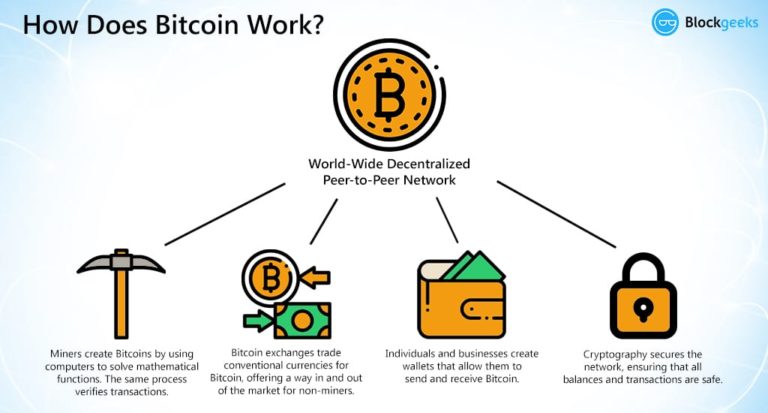
When you want to buy or sell bitcoin, you do so through an exchange. Exchanges are places where you can buy and sell different currencies, including bitcoin, with other fiat (government-issued) currencies like the US dollar or euro. Bitcoin transactions are verified by miners, who use powerful computers to solve complex mathematical problems. This process ensures that all transactions are recorded in a public distributed ledger known as the blockchain. This ledger is constantly being updated and provides a permanent record of all bitcoin transactions.

Bitcoin has been growing in popularity over recent years, as it offers many benefits over traditional payment methods like banks: it’s cheaper, more efficient, and more secure. As the value of bitcoin continues to change based on market demand and supply, it’s essential for everyone who wants to get involved in this exciting new technology to stay up-to-date on developments!

Understanding The Bitcoin Network

Cryptocurrency is a new and exciting form of money that is growing in popularity every day. Bitcoin is one of the most well-known cryptocurrencies, and it’s also one of the most complex. In this section, we will take a look at what Bitcoin is, how it works, and some of the implications for individuals and organizations.

Bitcoin is a networked digital currency that uses cryptography to secure its transactions. Transactions on the Bitcoin network are verified by network nodes through cryptography and recorded in a public distributed ledger called a blockchain. Nodes use the blockchain to distinguish legitimate Bitcoin transactions from attempts to re-spend coins that have already been spent elsewhere.

Bitcoin wallets are created by users with unique addresses, which are similar to bank account numbers. These addresses enable users to send and receive Bitcoins, as well as store them securely for future use. Bitcoin wallets can also be stored on digital devices like smartphones or computers.

The block size limit of the Bitcoin network was initially set at 1 million bytes but has since been increased to 8 megabytes. This limit slows down transaction processing times as blocks must be mined before they can be added to the blockchain. The block size limit will continue to be increased until it reaches 21 million bytes in order to keep up with growing demand on the network.

Mining is how new Bitcoins are created on the Bitcoin network. Miners compete against each other by using powerful computers to solve complex math problems that award them Bitcoins as a reward. As more miners join the network, competition for rewards becomes more intense, leading to higher prices for goods and services purchased with bitcoin as well as larger mining rigs capable of solving more difficult puzzles faster than ever before.

An Overview Of How Bitcoin Is Transacted And Transferred

Bitcoin is a digital currency that is built on a blockchain technology. Bitcoin was created in 2009 by an anonymous person or group of people who called themselves Satoshi Nakamoto. Bitcoin is unique in that it is the first and only cryptocurrency that is not controlled by any single institution or government. Rather, Bitcoin is controlled by all of its users collectively. This means that no one person or group can control it, which makes it more secure than traditional currencies.

How Bitcoin transactions are processed.

When someone wants to purchase something with Bitcoins, they first need to create a wallet. A wallet is simply a collection of addresses (similar to an email address) and associated passwords. When someone wants to make a purchase, they send the required amount of Bitcoins to one of their addresses and then sign the transaction with their private key. After the signature has been verified, the Bitcoins are transferred from the buyer’s account to the seller’s account.

The benefits of Bitcoin compared to traditional currencies.

There are several key benefits that make Bitcoin stand out from traditional currencies:

– Transactions are speedy – Compared to other forms of payment such as PayPal or credit cards, Bitcoin transactions take significantly less time to process. This allows you to buy products and services quickly and without waiting for long confirmation times.

– No central authority – Unlike traditional banks or governments, there is no central authority that can shut down or modify Bitcoin transactions arbitrarily. This makes it immune to political interference and helps ensure its stability over time.

– Low fees – Unlike other forms of payment where fees can be high, fees for using Bitcoins are usually quite low due to its distributed network structure. This means you’ll always pay less than you would with other methods of payment such as PayPal or credit cards.)

– Cryptocurrency isn’t subject to inflation – Due to its decentralized nature, cryptocurrencies like Bitcoin aren’t subjectto inflationary pressures like conventional currencies are over time – meaning your money will always have value.)

Understanding the blockchain technology behind Bitcoin.

Bitcoin operates on a blockchain technology which allows users to track all transactions made on the network in real-time.. The blockchain technology works like a public ledger where every user can see all transactions made on the network since its inception.. Every node on the network has access to this ledger and can verify these transactions before adding them into their copy of the blockchain.. In addition, nodes on the network can also add new blocks (recordings of recent events) into this chain whenever they please.. As more nodes join this distributed network,.

Securing Your Bitcoin Transactions

Bitcoin is a new kind of currency that is powered by computer code. This code is used to create units of Bitcoin and track transactions between users. Bitcoin works a little bit differently than traditional currencies, in that it isn’t backed by any government or central authority. This means that Bitcoin is completely secure – there is no way for anyone to steal or counterfeit it.

Read More: Why Bitcoin Is The Future

While Bitcoin is secure, there are still some risks associated with it. For example, you may be exposed to risks associated with financial markets if you invest in Bit coins. Additionally, Bitcoin transactions can be taxed if you’re not careful about where and how you spend them. However, these are just some of the risks that come with investing in Bit coins. Overall, Bitcoin remains a highly risky investment, but there are also opportunities for huge profits if done correctly.

To ensure that your Bitcoins are safe and secure, you’ll need to set up a strong wallet on your device and make sure that you’re using good security practices when trading or spending them online. Additionally, be on the lookout for scams related to Bitcoin – these schemes often involve thieves stealing your money without giving you anything in return. If you spot something suspicious, do your research to find out what steps you should take to protect yourself before making any decisions about investing in this new currency!

Final Thoughts

In conclusion, Bitcoin is a type of cryptocurrency that has been gaining a lot of attention lately. It is decentralized and secure, making it a great alternative to traditional payment methods. In this blog post, we discussed the basics of Bitcoin, how it works on the network level, and how to secure your transactions. By understanding the technology behind Bitcoin and taking steps to protect yourself from potential risks associated with investing in cryptocurrencies like Bitcoin, you can make sure that you are ready to take advantage of this exciting new technology! So, take some time now and learn more about Bitcoin – you won’t regret it!

Why Bitcoin Is The Future

0

Bitcoin is a revolutionary new form of digital currency that has taken the world by storm. From its meteoric rise in value to its potential to revolutionize the way we make payments, Bitcoin is quickly becoming a mainstay in the world of finance. In this blog post, we will take a closer look at Bitcoin and explain why it might just be the future of digital payments. We will cover what Bitcoin is, the advantages of investing in it now, and why it could be the future of money. By the end of this post, you should have a good understanding of why Bitcoin is so valuable and why it is worth investing in now.

Visit this Website: Vitaliy-Dubinin-Explain-Ripple-tokens-XRP

What Is Bitcoin?

Bitcoin is a digital currency that is revolutionizing the way we do business. Bitcoin is different than other currencies in several ways, the most important of which is that it’s decentralized. This means that it isn’t controlled by any one entity or government, which makes it a trustworthy and safe option for online transactions.

bitcoin

There are many reasons why Bitcoin is the future. For one, Bitcoin doesn’t require a central authority to operate – meaning there’s no chance for fraud or errors. Second, Bitcoin is immune to inflation – meaning that its value will never decrease over time. And last but not least, Bitcoin is fast and easy to use – making it perfect for online transactions.

While there are some risks involved in using Bitcoin, they’re relatively minor when compared to the benefits of using this technology. For example, if you lose your access to your Bitcoins, you can still trade them in another digital currency or use them to purchase goods and services online. Additionally, you can securely store your Bitcoins in a wallet on your computer or phone so that they’re always accessible when you need them.

To get started with trading in Bitcoin or using it for transactions, check out our guides on how to start trading and how to use Bitcoin securely!

Advantages Of Bitcoin

Bitcoin is a new form of digital currency that has been growing in popularity over the past few years. Bitcoin is decentralized, meaning that it is not subject to the control of any one person or organization. This makes it a secure and anonymous way to make transactions – perfect for those times when you don’t want anyone tracking your movements or your finances. Bitcoin also provides security in money transactions, as there is no third party involved.

Bitcoin can also be used to make fast, global, and non censorable payments. Unlike traditional payment systems like Visa or Mastercard, which require a lot of processing time before your payment is processed, Bitcoin payments are processed instantly. This makes it perfect for online purchases or for making quick cash transfers between friends and family members.

Another great advantage of Bitcoin is its deflationary nature. This means that over time, Bitcoins will become more and more valuable as they become less common in circulation. This encourages people to save their Bitcoins instead of spending them quickly – something that can have a long-term positive impact on the economy as a whole.

Bitcoin offers censorship resistance – an important quality for anyone seeking financial freedom. With Bitcoin, you can conduct transactions without fear of government interference or censorship. While this doesn’t offer total financial freedom right now, it’s an important step forward in terms of freedom and privacy online.

Reasons To Invest In Bitcoin Now

Bitcoin is a new form of currency that is quickly gaining popularity around the world. Bitcoin is decentralized, meaning that it is not subject to government or financial institution control. This makes Bitcoin a secure and reliable way to conduct transactions, as there is no third party that can manipulate or falsify data. Additionally, Bitcoin has low transaction costs when compared to traditional methods such as banks or credit cards. As a result, Bitcoin has the potential to become the standard way of conducting transactions in the future.

Besides being fast and easy to use, another reason why Bitcoin could become popular in the future is because of its transparency and verifiability. Every bitcoin transaction is recorded on a public ledger called the Blockchain, which can be verified by anyone with access to it. This makes it easy for people to know what’s happening with bitcoin transactions and allows them to track how much money they have invested over time.

Read More: Why Bitcoin Has Value

Bitcoin also offers users high degrees of privacy and anonymity. Unlike traditional currencies such as US dollars or euros, bitcoins are not tied to any country or political system. This means that you can use bitcoins without worrying about identity theft or surveillance by government agencies. In addition, bitcoin transactions are irreversible, meaning that you cannot get your money back if something goes wrong with a transaction. However, this does not mean that bitcoin transactions are unsecure – on the contrary, bitcoin remains one of the most secure forms of payment available today!

Overall, Bitcoin offers many advantages over traditional methods of payment. Whether you’re looking for an investment opportunity or just want an easier way to conduct your day-to-day finances, Bitcoin should definitely be on your radar!

Bitcoin As A Store Of Value In A Digital Currency Age

Bitcoin is a digital currency that has been in existence for over a decade. It is immune to government and central bank interference, and it allows for secure transfer of funds with no middleman or third parties involved. Bitcoin also offers a safe, low cost way of transferring money globally. The blockchain technology behind Bitcoin is ever evolving and has been trusted by millions of users worldwide. As more people start to use Bitcoin, its value increases over time as more people trust it.

Bitcoin isn’t just used as a store of value – it’s also used as a means of accessing digital currency resources without having to worry about government or bank regulations. For example, if you want to buy something online but don’t have any credit card information saved up, you can use Bitcoin to pay for the purchase instead! This opens up many opportunities for users who don’t want to be limited by traditional financial institutions.

Conclusion

Bitcoin is a revolutionary form of digital currency that has gained traction over the past few years. It offers users a secure and reliable way to make transactions, as well as low transaction costs and censorship resistance. Bitcoin also offers high levels of privacy and anonymity, making it ideal for those seeking financial freedom. Additionally, Bitcoin is deflationary in nature – meaning its value will only increase over time! For all these reasons, it is clear why Bitcoin has become so popular lately, and why it could be the future of money.

Why Bitcoin Has Value

0

Bitcoin has been making headlines for years now, and its value continues to climb. But why does it have value? In this blog post, we will explore the reasons why Bitcoin has value and why it continues to increase in value. We will look at supply and demand, the unique features of Bitcoin, and the future of Bitcoin. By the end of this post, you should have a better understanding of why Bitcoin has value and why it is such an appealing asset for investors.

Read To Learn More Info: Vitaliy Dubinin

Understanding Supply And Demand

If you’ve been curious about Bitcoin but don’t know how it works, this is the blog for you. In this article, we will cover everything you need to know about Bitcoin, from its origins to its potential uses in the future.

bitcoin

Bitcoin is a new kind of currency that is powered by blockchain technology. Blockchain is a distributed database that allows for secure, transparent transactions between people and machines. Transactions are verified and logged into the blockchain ledger, making it difficult for anyone to tamper with them. This makes Bitcoin one of the most secure forms of payment out there – perfect for online transactions or anything that requires security and transparency.

Bitcoin’s limited supply makes it valuable – just like any other valuable commodity. As Bitcoin becomes more popular and widely accepted, its demand will increase, thus driving up its value. Decentralization is another important factor in determining Bitcoin’s value – without it, Bitcoin would not be as valuable as it is today.

There are numerous potential uses for Bitcoin beyond just currency. For example, you could use it to purchase goods and services online or store your wealth in a safe and secure manner. However, given Bitcoin’s volatility (as well as other cryptocurrencies), investing in Bitcoins may not be the most prudent decision right now. That said, keeping tabs on the latest developments in the market will give you an idea of where Bitcoins might be worth investing in down the line!

What Makes Bitcoin Unique

Bitcoin is a unique form of currency that has been around for over a decade. Bitcoin is decentralized and not controlled by any single governing entity. This means that it is not subject to the whims of political or financial elites. Bitcoin is an asset which has limited supply, unlike fiat currency. This creates an incentive for people to hold onto Bitcoin, as its value will only increase over time. Transactions made with Bitcoin are secure and immutable, meaning that they cannot be reversed or tampered with in any way. The cost for making a transaction with Bitcoin is significantly lower when compared to bank transfers or other traditional methods of payment.

Another unique feature of Bitcoin is its anonymity. Unlike traditional currencies where users are required to reveal their identity when making a transaction, Bitcoin allows users to remain anonymous. This makes it perfect for transactions that need to be kept confidential – such as buying illegal goods online – or for avoiding government scrutiny. Transparency between users is maintained on the blockchain, ensuring trust and accuracy between buyers and sellers on the network.

Finally, one of the greatest benefits of using Bitcoin is its borderless nature: you can send and receive money without geographic restrictions. This makes it perfect for sending money overseas without worry about currency fluctuations or high fees associated with international payments.

The Future Of Bitcoin

Bitcoin is a new and exciting form of currency that is growing in popularity every day. Bitcoin has value due to its decentralized nature, which means that it is not subject to the control of any single entity. Transactions are fast, secure and immutable, making it an ideal choice for transactions that require high levels of trust. Additionally, Bitcoin is accepted as a form of payment in many places around the world, and it can be used for international payments with low transaction fees.

Bitcoin also has the potential to become the global standard for currency due to its increasing scalability – meaning that it can handle more transactions than traditional forms of currency. This makes Bitcoin a viable option for people who want an alternative way to store their value aside from fiat currencies. In addition, Bitcoin holds potential for mass adoption due to its ability to facilitate peer-to-peer payments on a global scale. So if you’re looking for an exciting new form of currency that has great potential – look no further than Bitcoin!

Advantages And Disadvantages Of Cryptocurrency

Cryptocurrency is a new and exciting form of payment that is quickly gaining in popularity. Bitcoin, in particular, is a decentralized digital currency that has no central bank or government control. Transactions are executed on a peer to peer basis, meaning that there is no need for third party intermediaries. This makes it secure and immutable – you can be sure that your transactions will be completed without any issues.

Bitcoin also features a proof of work system, which makes it secure and reliable. Transactions are anonymous and safe from third party interference, meaning that your personal information is never revealed to anyone. Bitcoin also settles quickly which means you don’t have to worry about high fees or long wait times for your transactions to be processed.

Read More: Why Bitcoin Is Bad

Bitcoin’s value can increase with time as more people adopt it and as the technology behind it develops further. However, Bitcoin is divisible meaning that its value can be divided into smaller units if necessary. This makes it easier for people to purchase small amounts of Bitcoin without having to spend too much at once.

While cryptocurrency is still in its early stages, there are many advantages associated with using it in the workplace. Cryptocurrency offers low fees, faster transaction times, and the security of not being reliant on external parties like banks or governments. However, there are still regulatory uncertainties surrounding cryptocurrencies which means they may not be widely accepted as a payment method just yet. Nonetheless, cryptocurrency has the potential to revolutionize the way we pay for goods and services down the line!

Conclusion

The future of Bitcoin and other cryptocurrencies is promising. It has great potential to revolutionize the way we pay for goods and services, thanks to its secure and immutable nature. Additionally, it is borderless, so anyone can send or receive payments anywhere in the world. Despite its current volatility, Bitcoin’s limited supply and increasing demand indicate that its value will only continue to increase in the future. With more people investing in Bitcoin, it has the potential to become a global standard for currency. Investing in Bitcoin now may be risky, but

Songs When Depressed

0

When you’re feeling down and out, it can be difficult to find the motivation to get back up and keep going. Music can be a powerful tool to help you through tough times. In this blog post, we will explore the most popular songs to listen to when depressed, how songs can help with mental health issues, and the top 10 mood-boosting songs for depression. With these tunes, you should be feeling better in no time.

Visit this Website: Jimmy Carter bestowed a pardon

The Most Popular Songs To Listen To When Depressed

When you’re feeling down, it can be tough to muster the energy to do anything. But listening to music can help to change that – scientifically speaking. Numerous studies have shown that music has a calming effect on the mind, and this is thanks in part to its ability to stimulate the limbic system. The limbic system is responsible for our emotions and memories, so by stimulating it, music can help us feel better emotionally and mentally.

songs

There are many types of songs that can effectively reduce stress and help you feel better. Some of the most popular songs with uplifting messages and empowering messages include Walking on Sunshine by Katrina and The Waves, I Will Always Love You by Whitney Houston, and Let It Go from Frozen. These songs remind the listener of specific memories or moments in life, providing comfort in times of distress.

To find the right kind of songs for you depending on your individual needs, it’s important to take into account your mood at the time you’re listening to them. For example, if you’re feeling down after a bad day at work, listen to uplifting tunes instead of upbeat pop songs. Or if you want something specifically therapeutic for when you’re feeling stressed out or anxious, try searching for calming classical or acoustic music instead.

Not only does listening to music provide mental health benefits in general, but research has also found that playing certain types of music can actually improve cognitive function overall. This includes things like memory recall and problem-solving skills – making it an effective tool for staying sharp both during workdays and throughout your entire life!

Finally, creating a personalized playlist of songs that helps provide comfort in times of distress is an excellent way to self-medicate when you’re feeling down or stressed out. By adding specific tunes that are special to you (or ones that inspire positive emotions), your playlist will become even more important in helping you manage your moods effectively.

Feelings Elicited By Listening To Music While Depressed

Depression can be a tough experience, and feeling overwhelmed can be incredibly frustrating. However, studies have shown that music can provide emotional relief when feeling overwhelmed by depression. Certain types of music – such as acoustic or blues music – have been shown to have a positive effect on mood. Additionally, the soundscape of a song can provide its own catharsis. Listening to songs related to the feelings one is experiencing can help in processing emotions.

Not everyone experiences depression in the same way, which is why finding the right song to listen to when depressed can be difficult. However, there are some general guidelines that you can follow in order to find songs that resonate with you. For example, if you’re feeling down about your current situation, try listening to sad or heart-wrenching songs. If you’re feeling angry and frustrated, listen to upbeat tunes that will help boost your mood. Again, it’s important not to focus on trying to fit into any specific mold when it comes to listening to music – instead, find what works for you and allows you feel emotionally comforted during difficult times.

Music has always been seen as an important part of our culture and heritage – it provides a sense of comfort and understanding in times of distress and helps us express ourselves in ways that are often unsayable. When used in the right way, music can be a powerful tool for coping with depression or any other mental health condition.

How Songs Help With Mental Health Issues

There are many benefits to music therapy, and it has been proven to be a helpful tool for managing mental health issues. Songs can help with relieving stress, providing emotional support, and helping individuals to learn how to self-regulate their emotions. Below, we’ll outline some of the specific ways that songs can help with depressive symptoms.

Read More: How Songs Are Structured

When it comes to lyrics and depression, there is a lot of research that suggests that certain types of songs can be very helpful in coping with depression. Sad or uplifting songs have the ability to affect emotion in a positive way, which can help individuals feel better emotionally. Additionally, these types of songs often speak directly to the individual suffering from depression and offer hope and encouragement.

It’s important for someone struggling with depressive symptoms to have access to music that is specifically designed for this purpose. While listening to upbeat music may be enjoyable at first, it may not be effective over time. It’s important for people who are struggling with depression to find music that speaks directly to them – something that will provide relief and allow them control over their emotions.

Using music as an emotional outlet is great, but it is also necessary for individuals struggling with depression to practice proper breathing techniques and relaxation exercises in addition to their music listening sessions. This will help them regulate their emotions and achieve self-control when listening to music therapeutically.

Top 10 Mood-Boosting Songs For Depression

Depression can be a tough condition to live with, and it can be hard to find ways to boost your spirits. However, there are many songs out there that can help you get your mood back on track. Below, we have compiled a playlist of the top 10 mood-boosting songs for depression.

Starting off our list is “Rainbow Connection” by Kermit the Frog. This upbeat song features beautiful lyrics about overcoming obstacles together. It’s sure to put you in a great mood, and it will remind you that everything will work out in the end.

Following closely behind is “Can’t Stop the Feeling!” by Justin Timberlake. This catchy tune will make you want to dance all day long, and it’s sure to make you feel good about yourself no matter what situation you’re in.

Next up is “Good Vibrations” by The Beach Boys. This classic track is filled with powerful lyrics that describe how happy life can be if we just let go and enjoy ourselves. It’s a great song to listen to when you’re feeling down or discouraged, and it’ll help lift your spirits instantly!

Next up is “Don’t Worry, Be Happy” by Bobby McFerrin. This soulful ballad will put a smile on your face no matter what kind of day you’re having. It’s a great way to take some time for yourself and de-stress after a long day of work or school stressors.

Moving on to more upbeat tunes, we have “Ain’t No Sunshine” by Bill Withers followed by “Joy To The World” by Three Dog Night. Both of these songs are perfect for cheering yourself up during dark times – just listen and feel the happiness radiating from these tunes!

Last but not least is “Walking On Sunshine” by Katrina and The Waves. This classic track has been loved for over 25 years now, and it’s still one of the most popular songs on this list today! Not only does it feature beautiful lyrics about enjoying life while it lasts, but its upbeat tempo will help get your spirits back up again quickly! Listen to this song whenever you need a pick-me-up – chances are good that you’ll love its uplifting effects!

In Summary

Music is an incredibly powerful tool to help us cope with depression and other mental health issues. Songs can provide emotional support, uplift our spirits, and even improve our cognitive function. From calming classical music to upbeat pop songs, there are a variety of tunes that can help us manage our moods effectively. Creating our own personalized playlist of songs that bring us comfort in times of distress is an excellent way to self-medicate when feeling down or stressed out. We hope this blog post has given us some insight into the benefits of listening to music while depressed and provided us with some great tunes for mood-boosting! Now it is time for us to take action – let’s start building our own personalized playlist today!

How Songs Are Structured

0

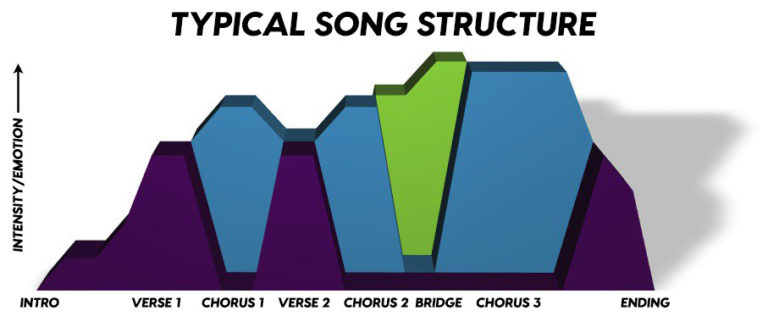
Music is an intricate art form, and understanding how songs are structured can help you become a better musician. In this blog post, we will take a look at the different structures of songs and how they are composed. We will analyze the verse, chorus, and bridge structures and look at some of the most popular songs to see how they are put together. By the end of this post, you will have a better understanding of how songs are structured and be able to compose your own.

Visit this Website: was pretty much an unmitigated disaster, until literally his last days in office:

Introduction Of Song Structures

Songwriting is an art form that can be done by anyone with a little creativity and a bit of knowledge. There are many popular song formats out there, and each one has its own key components that must be included for the song to sound cohesive and memorable. In this article, we will introduce you to some of the most common song structures and how to apply them in order to create memorable music.

songs

First, let’s start with the most common format – the verse-chorus-verse (VCV) structure. This format consists of three sections: a verse, a chorus, and a verse again. Each section must have its own unique melody and chord progressions in order for the song to flow properly. Additionally, it is important to make sure that each section has a different tempo or arrangement in order for it to have impactful moments.

Another common structure is the AABA format. This format consists of four sections: an intro or pre-chorus, an A section (the main part of the song), B section (a contrasting part), C section (an interlude), and D section (the ending or chorus). It’s important to understand how these sections work together in order to create effective songs. For example, the A section should build up tension before releasing it in the D section for maximum impact.

Finally, there are songs that don’t follow any specific structure at all! These songs can be improvisational or based on harmonic progressions rather than specific chords or melodies. In either case, it’s important to understand how these elements combine together so that your music sounds cohesive and memorable. Comprehending these formulas will help you write better songs no matter what your style may be.

Analyzing Verse, Chorus And Bridge Structures

Songwriting is an important skill, and understanding the structure of a song is key to creating an impactful sound. Not only does it help you to create a coherent piece of music, it can also help you to identify different types of verse and chorus structures. By understanding these structures, you can create songs that have a stronger impact and are more memorable.

Below, we will outline the steps that you need to take in order to analyze the structure of a song. First, understand the basics of melody, chords and rhythm. Next, identify the different sections of a song – verses, choruses and bridges. Finally, use transitions to link these sections together in an effective way. By following these steps, you’ll be well on your way to writing catchy tunes that will touch people’s hearts!

Melodies As An Essential Part Of Writing Music

As a songwriter, it’s important to have a strong understanding of melodies. Melodies are the heart and soul of any song, and without them, your music will not be as successful. In this section, we’ll outline the basics of melody in songwriting and provide tips on how to create different melodies that will engage your listeners. We’ll also discuss the use of repetition in songs and how to add variation to create interest. We’ll also explore the importance of putting melody first and how to arrange a song structure for memorability. Finally, we’ll cover different approaches to creating melodies and ways to use dissonance and consonance in melodies. By understanding melody, you can write more memorable songs that will touch people’s hearts.

Popular Songs Examined

Popular songs are a huge part of popular culture, and they’re often analyzed and dissected in great detail. In this section, we’ll be exploring some of the common elements found in popular songs and how they can be used to analyze them. We’ll also look at the different song forms that are used and how these shapes affect the way that songs are arranged and the role of key changes. We’ll explore the time signature of popular songs, as well as analyzing lyrical content, structure, and topics. Finally, we’ll take a look at some production techniques that are used to enhance popular music.

Read More: How Songs Are Made

Elements of a chorus, verse and bridge

Chorus: A chorus is usually composed of three or more sections that are repeated multiple times. These sections typically revolve around a central melody or theme. Chorus sections often feature strong melodic hooks that help to keep the listener engaged throughout the song.

Verse: The verses in a song typically contain less lyrical content than the chorus do and focus more on delivering the melody line effectively. They also tend to be shorter than other sections in order to provide contrast for listeners who have grown tired from hearing the same melody over and over again.

Bridge: The bridge is usually an explosive section that leads directly into the climax of the song. It’s often composed with exciting new melodies or harmonic progressions in order to seal the deal for listeners who have been waiting eagerly for it all along!

Elements of a chord progression

Chords: A chord is simply two or more notes played together on an instrument. Popular chords include major chords (such as C-D-E-F#-G) minor chords (such as Dm-A-C#m), 7th chords (like G7 or C7), 9th chords (like D9 or E9), 11th chords (like A11 or B11), 13th chords (like E13 or F13) etc… Chords can be.

Conclusion

Songwriting is an art form that combines creativity and knowledge. By understanding the fundamentals of song structures, music theory, and popular songs, you can write your own meaningful compositions. Despite the complexity of song structures, anyone with a passion for music can learn to use them to their advantage. With practice and dedication, you will be able to create memorable songs that will touch people’s hearts! So grab a guitar or piano and get started writing your own music today!

5 Tips for Staying CMMC Compliant

0

The Cybersecurity Maturity Model Certification (CMMC) is a certification program developed by the Department of Defense (DoD) to ensure security for all contractors and subcontractors handling sensitive government data. CMMC compliance involves meeting specific standards or “maturity levels” that demonstrate how effectively an organization can protect Controlled Unclassified Information (CUI).

Organizations will be required to obtain CMMC compliance as part of their contractual obligations with the Department of Defense. Failure to meet the requirements could result in significant monetary fines or even criminal penalties. As such, it is important for organizations that are handling CUI to ensure they are compliant with the CMMC standards.

Fortunately, there are steps organizations can take to stay CMMC compliant. Here are five tips for staying CMMC compliant:

1. Implement a Cybersecurity Program:

A comprehensive cyber security program is necessary to ensure the security of CUI and meet the requirements of the CMMC standard. The cyber security program should include processes and procedures for identifying, addressing, and responding to security risks. The program should also include regular training and awareness protocols for employees, as well as updates to systems and software.

2. Use Secure File Storage:

When storing CUI, organizations must ensure that the data is stored in a secure file storage solution that meets CMMC requirements. This means using encrypted communication protocols, strong authentication measures, and the ability to audit user activities.

3. Establish Access Controls:

Organizations must establish access controls that limit which users have access to CUI and what type of access they have. This includes setting up multi-factor authentication, creating accounts with unique usernames and passwords, and regularly monitoring user activity.

4. Establish Data Security Practices:

Organizations should also establish data security practices, such as encrypting sensitive data, regularly monitoring networks and systems for vulnerabilities, and implementing incident response plans in the event of a breach. Additionally, organizations must ensure that all devices used to access or store CUI are always up-to-date and secure.

5. Monitor Third Parties:

Organizations should also monitor any third parties they are working with, ensuring that they have implemented their own security protocols and measures to protect CUI. This includes regularly conducting background checks on vendors and subcontractors, as well as reviewing the security measures being taken by cloud service providers.

Bonus Tip: Invest in a Cyber Security Consultant

To ensure that you are compliant with the CMMC standards, it is recommended to invest in a cyber security consultant. These professionals can help you assess your current security protocols and provide advice on how to best meet the requirements of the CMMC.

Protecting Customer Data

By following these five tips, organizations can ensure that they are staying CMMC compliant and taking all necessary measures to protect CUI and their customers’ data. Staying CMMC compliant is not only important for organizations contracting with the DoD, but for any organization handling sensitive customer information. 

Organizations that handle CUI must ensure they are protecting their data by implementing security protocols and measures, such as access controls, secure file storage solutions, data security practices, and monitoring third parties. Organizations should take the time to understand the requirements of the CMMC standard and implement the necessary security practices to ensure that CUI is always secure.

Via Diffractive and Natixis, John Hailer Leads Various Initiatives

0

John Hailer is a renowned figure in the financial world, having built a distinguished career over several decades. With a wealth of experience at top-tier firms, Hailer is known for his leadership skills and expertise in investment management. Let’s take a closer look at his work history and experience at Natixis and Diffractive Managers Group, as well as his philanthropic endeavors.

John Hailer: Early Career

John Hailer’s career in the finance industry began shortly after he completed his undergraduate degree in economics from the University of Notre Dame. He joined Putnam Investments in 1984 and held several roles at the firm over the next 18 years. Hailer was instrumental in growing Putnam’s institutional business, which helped the company become one of the largest mutual fund firms in the US.

Experience at Natixis

In 2002, John Hailer joined Natixis Global Asset Management, a subsidiary of French banking group Groupe BPCE. He was appointed as the CEO of Natixis Global Asset Management for the Americas in 2004, and later served as the CEO of the entire Natixis Global Asset Management business from 2009 to 2018.

During his tenure at Natixis, John Hailer was responsible for overseeing the company’s global expansion efforts. He helped the company enter new markets and expand its offerings, which led to significant growth for the firm. Under his leadership, Natixis also made a commitment to responsible investing and sustainability, becoming a signatory of the United Nations-supported Principles for Responsible Investment.

In addition to his work at Natixis, Hailer served as the Chairman of the Investment Company Institute, the national association of US investment companies, from 2013 to 2014. He was also a member of the US Securities and Exchange Commission’s Asset Management Advisory Committee.

Experience at Diffractive Managers Group

After his tenure at Natixis, John Hailer became the CEO of Diffractive Managers Group, a Boston-based asset management firm. Diffractive specializes in alternative investments, such as hedge funds and private equity.

At Diffractive, Hailer is responsible for overseeing the firm’s operations and strategic direction. He has focused on growing the firm’s offerings and expanding its investor base. Under his leadership, Diffractive has continued to deliver strong performance for its clients.

Philanthropy

John Hailer has been an active philanthropist throughout his career. Through his work at Natixis, John Hailer has also spearheaded various corporate charitable giving initiatives. He has served on the boards of several non-profit organizations, including Catholic Charities of Boston and the Boston Children’s Hospital Trust, as well as supported Catholic schools in Phoenix.

Hailer has also made significant donations to charitable causes. In 2018, he donated $3 million to Notre Dame, his alma mater, to fund scholarships for underprivileged students. He has also made donations to organizations focused on education, healthcare, and the arts.

Awards and Accolades

In recognition of his contributions to the industry, Hailer has received numerous awards and accolades. In 2016, he was named one of the 100 Most Influential People in the Asset Management Industry by the Financial News. He was also recognized as one of the Top 100 Most Powerful Executives in the Industry by the Asset Management Industry, and he was named as one of the Top 25 Most Influential People in the Industry by the Investment Advisor Magazine.

In addition to his philanthropic and professional endeavors, Hailer is also a frequent speaker on finance and investment topics. He has spoken at several industry conferences and events, sharing his insights and expertise with his peers and colleagues.

A Long-Standing Influential Career

Overall, John Hailer’s career has been marked by his dedication to the finance industry and his commitment to making a positive impact on the world. His leadership and expertise have helped shape the industry and his philanthropy has made a difference in the lives of many people. As he continues to lead Diffractive Managers Group, there’s no doubt that he will continue to make a lasting impact in the finance industry and beyond.

John Hailer’s career in the finance industry has been marked by his leadership skills and expertise in investment management. He has held several high-profile roles at top-tier firms, including Natixis Global Asset Management and Diffractive Managers Group. Throughout his career, Hailer has also been an active philanthropist, supporting a variety of charitable causes. His contributions to the finance industry and his community have made him a highly respected figure in both arenas.

Gold Trading: 5 Risk Management Techniques To Know

0

More and more people are looking at online trading to supplement their income and in this short article, you get to have a look at risk management techniques that gold traders are using in 2023. Of course, the key to successful trading lies in minimizing risks to the investment and here are a few ways to do this.

  1. Control Your Open Positions – You should always be in control of your open positions and think carefully before opening multiple positions, as this can quickly turn nasty. If, for example, you risked 3% on 4 different positions and you lost them all, that is a 12% loss, which would be a heavy day. Every trader has their own risk management techniques, and some are unique blends of several strategies, which suits the individual trader.
  1. Create A Stop-Loss Level – This is an essential step for every trader, as it prevents heavy loss. You need to decide the maximum position opening, plus a total stop loss level. These should be reviewed periodically. If you need a gold bullion dealer, you can start looking at https://citygoldbullion.com.au/ or search online for one near your location. A reputable dealer will be able to help you in many ways.
  1. Understand The Risk/Reward Ratio – It is imperative that you know how to calculate the risk/reward ratio; most traders would not exceed 2% on a single position. There is sophisticated analysis software to help you calculate the risk/reward ratio. There are a lot of resources online that can help you to gain the knowledge you need to be successful. You should understand high risk/reward ratios, which offer a higher return and there are websites where you can learn all about risk/reward ratios. Many traders only open high-reward positions, as they feel they have the experience to do such a thing, while others are more cautious.
  1. Money Management – It is crucial that you understand how to manage money when trading gold if you are opening and exiting positions every day and you do not know how you are standing at any given time. If you sustain losses, do not try to chase them, as this can quickly lead to being in hot water. You should record all transactions at the end of the day and see whether you have made an overall profit. If you sustained a loss, you need to identify the reasons for this and try to learn something from the experience. Look at the wide range of technical analysis tools that are available today, which can really help you make informed real-time decisions and never lose sight of your short and long-term goals.
  1. Develop & Maintain Discipline – To trade responsibly, you need to have self-discipline. Never let your heart rule your head, which could be disastrous. If you are new to trading, you should simulate trades and keep track of your progress. Do this for at least 3 months, then look at your overall performance. Your overall attitude should be positive yet realistic; we never reach the point where we know it all.

If you are an experienced stock trader, making the transition to gold is not so difficult, however, if you are a novice trader, do some serious research before you start trading with real gold. You need to learn about gold EFTs, which is what most traders use when buying or selling gold. Traders rarely even see the commodity they are trading, using certificates of ownership. 

It is wise to forge a working relationship with a reputable gold bullion dealer, as this can help you in numerous ways.

8 Key Reasons Why Pregnant Women Need Prenatal Massages

0

Pregnancy can be a challenging and stressful time for women physically and emotionally. Prenatal massages can help alleviate some of these difficulties, offering numerous benefits for the expectant mother. Here are eight reasons why pregnant women should consider getting regular prenatal massages.

1. Reduces Stress and Anxiety Levels

Pregnancy can be an emotional rollercoaster, and stress and anxiety levels can skyrocket during this period. Prenatal massages can help reduce stress levels by lowering cortisol, a stress hormone. This can improve mood, better sleep quality, and decrease anxiety levels.

2. Alleviates Muscle Tension and Soreness

As pregnancy progresses, the mother’s body undergoes significant changes that can cause muscle tension, aches, and soreness. Prenatal massages can help relieve these discomforts by targeting specific muscles and releasing tension. By promoting relaxation, the mother can experience a greater sense of comfort throughout the pregnancy.

3. Enhances Blood Circulation

Prenatal massages can help enhance blood circulation by stimulating the lymphatic and circulatory systems. This can increase the supply of oxygen and nutrients to the mother and the baby, ensuring proper development and growth. Improved circulation can also reduce swelling and inflammation, a common issue during pregnancy.

4. Reduces Back and Joint Pain

The growing baby’s weight can strain the mother’s back and joints, causing pain and discomfort. Prenatal massages can help alleviate these symptoms by promoting better posture, reducing muscle tension, and improving joint mobility. Regular prenatal massages can help the mother manage back and joint pain more effectively and with less medication.

5. Promotes Better Sleep Quality

Many pregnant women struggle with sleep issues, such as insomnia or frequent waking. Prenatal massages can help improve sleep quality by promoting relaxation and reducing stress levels. The mother can enjoy a more restful sleep, which is essential for her and the baby’s well-being.

6. Boosts the Immune System

Prenatal massages can help boost the immune system by stimulating the production of white blood cells. This can help the mother fight infections and illnesses, a significant concern during pregnancy. By maintaining a healthy immune system, the mother can reduce the risk of complications and ensure the best possible outcome for herself and the baby.

7. Reduces Labor and Delivery Time

Regular prenatal massages can help prepare the mother’s body for labor and delivery by promoting relaxation and reducing stress levels. This can reduce the duration of labor and delivery, making the process more manageable and less painful. Prenatal massages can also help improve the mother’s overall well-being during this critical period.

8. Enhances the Bond Between the Mother and Baby

Prenatal massages can help enhance the bond between the mother and baby by promoting relaxation and reducing stress levels. This can result in a greater connection between the two as the mother becomes more aware of the baby’s movements and sensations. Regular prenatal massages can help the mother better appreciate the pregnancy experience and the bond with her child.

Prenatal massages can offer numerous benefits for pregnant women, from reducing stress and muscle tension to improving sleep quality and boosting the immune system. By considering regular prenatal massages, expectant mothers can manage their pregnancy symptoms more effectively and enjoy greater well-being.