Home Blog Page 5

The Five Pillars of Local Business Digital Presence

0

The businesses that grow fastest in local markets are the ones that treat their digital presence as infrastructure, not as an afterthought. They invest in it the same way they invest in their physical location: intentionally, consistently, and with professional help.

The data reinforces the urgency: businesses with complete Google Business Profiles are 2.7 times more likely to be considered reputable.

AI assistants like ChatGPT and Google Gemini are now recommending local businesses. Businesses with strong online presence, multiple positive reviews, and content that appears across indexed publications are more likely to be cited in AI-generated recommendations.

The cost of building a professional digital presence ranges from $3,000 to $15,000 for the initial setup (website, SEO, GBP optimization, content), plus $500 to $3,000 per month for ongoing maintenance and growth. The ROI comes from new customer acquisition that would not have happened otherwise.

The team at LocalSurge builds websites, optimizes Google Business Profiles, and deploys AI tools for local businesses across Sioux Falls and the surrounding metro.

The first step in building a digital presence is claiming and verifying all business listings. Google Business Profile, Yelp, Facebook, Bing Places, Apple Maps, and industry-specific directories should all show the same business name, address, and phone number.

LocalSurge offers free consultations for local businesses looking to evaluate their website, SEO, and online reputation.

Why Choosing the Right Real Estate Agency Karachi Matters More Than Ever

0

Karachi’s property market has always moved to its own rhythm. Prices shift quickly, new projects appear overnight, and regulations evolve in ways that can confuse even experienced buyers. In this environment, working with a reliable real estate agency Karachi is no longer a convenience. It is often the difference between a smart investment and a costly mistake.

The city’s real estate sector continues to attract overseas Pakistanis, local investors, and first-time buyers alike. But with opportunity comes complexity, and navigating that complexity requires more than browsing listings online.

The Current State of Karachi’s Property Market

Karachi remains Pakistan’s largest city and economic hub, which naturally keeps its real estate market active. According to recent market observations, areas like DHA, Bahria Town Karachi, and Gulshan-e-Iqbal continue to see steady demand, particularly for residential plots and mid-range apartments.

Inflation and currency fluctuations have also influenced buying behavior. Many investors are turning to real estate as a hedge against the rupee’s depreciation. At the same time, stricter documentation requirements and digitization efforts by authorities such as the Sindh Board of Revenue have made transactions more transparent but also more technical.

For the average buyer, this means two things:

  • Property decisions are more data-driven than before
  • Mistakes in paperwork or verification can delay or derail deals

This is where the role of a real estate agency Karachi becomes essential.

What a Good Real Estate Agency Actually Does

Many people assume agencies simply connect buyers and sellers. In Karachi, their role is much broader, especially when dealing with high-value or legally sensitive transactions.

Market Knowledge That Goes Beyond Listings

A competent agency does not just show you what is available. It tells you what is worth considering and what to avoid. For example, two properties in the same block can differ significantly in value due to road access, utility availability, or development status.

Experienced agents often have insights that are not publicly listed, such as:

  • Which files in a housing scheme are likely to be balloted soon
  • Which developers have a reliable track record
  • Which areas may face future infrastructure issues

This kind of information rarely appears on property portals but can heavily influence long-term value.

Legal Guidance and Documentation

Property fraud is not unheard of in Karachi. Fake files, disputed ownership, and incomplete documentation still surface, especially in less regulated areas.

A reliable agency helps verify:

  • Ownership documents
  • NOCs from relevant authorities
  • Land status and approvals

They also guide buyers through stamp duties, registration, and tax requirements, which have become more structured in recent years.

Negotiation That Protects Your Interests

Pricing in Karachi’s property market is rarely fixed. Sellers often quote above market value, expecting negotiation. Without local knowledge, buyers may overpay without realizing it.

An experienced agent understands pricing trends in specific neighborhoods and can negotiate accordingly. This alone can save buyers a significant amount.

How to Identify a Trustworthy Real Estate Agency Karachi

Not all agencies operate with the same level of professionalism. Some focus on quick commissions rather than long-term relationships. Choosing carefully can prevent future headaches.

Track Record and Transparency

Look for agencies that are willing to discuss past deals and provide realistic expectations. If an agent promises guaranteed returns or unusually fast profits, it is usually a red flag.

A trustworthy agency will:

  • Explain both risks and opportunities
  • Provide clear breakdowns of costs
  • Avoid pressuring you into quick decisions

Strong Local Presence

Agencies with established offices in specific areas often have better on-ground knowledge. They are more likely to be aware of recent developments, infrastructure changes, and local market sentiment.

For example, an agency operating actively in DHA Phase 8 will have a much clearer picture of price movements there than a generalist working across the entire city.

Digital Presence That Reflects Credibility

While word of mouth still matters in Pakistan, a professional online presence has become increasingly important. Updated listings, informative content, and responsive communication are good signs.

If you are exploring options, you might come across platforms like a Real estate agency karachi that provides detailed insights along with listings, which can be helpful when comparing different areas.

Key Areas Where Buyers Need Expert Guidance

Karachi’s property landscape is not uniform. Each area comes with its own advantages, risks, and investment potential.

DHA Karachi

DHA remains one of the most sought-after areas due to its infrastructure, security, and resale value. However, prices vary widely between phases, and development timelines can differ.

An experienced agency can help you understand which phases offer better entry points based on your budget and investment goals.

Bahria Town Karachi

Bahria Town has attracted significant attention for its planned community model. It offers modern amenities and structured development, which appeals to both investors and families.

However, file-based investments and balloting systems can be confusing for new buyers. Proper guidance is crucial to avoid speculative risks.

Gulshan and North Karachi

These areas offer relatively affordable options and remain popular among middle-income buyers. However, documentation and property conditions can vary more compared to premium areas.

A reliable agency helps filter genuine listings and ensures proper verification before any commitment.

Common Mistakes Buyers Make Without Professional Help

Even experienced investors can misjudge Karachi’s property market if they rely solely on informal advice or online listings.

Some frequent mistakes include:

  • Buying files without understanding balloting timelines
  • Ignoring utility availability in newly developed areas
  • Overpaying due to lack of price benchmarks
  • Skipping proper document verification

These issues often surface months or even years after purchase, making them harder to resolve.

Working with a knowledgeable real estate agency Karachi reduces these risks significantly.

The Growing Role of Technology in Real Estate

Karachi’s real estate sector is gradually becoming more digital. Online portals, virtual tours, and digital payment tracking are becoming more common.

Government initiatives have also pushed for digitization of land records, which improves transparency but requires buyers to be more informed about processes.

Agencies that adapt to these changes tend to offer better service. They can provide:

  • Accurate market data
  • Faster communication
  • Better documentation tracking

For buyers, this means fewer delays and more confidence in transactions.

Why Timing Matters in Karachi’s Property Market

Timing plays a crucial role in property investment. Market cycles in Karachi are influenced by factors such as economic policy, inflation, and development announcements.

For instance, infrastructure projects like road expansions or commercial developments can quickly increase property values in surrounding areas.

A good agency monitors these trends closely and advises clients accordingly. This helps buyers enter the market at the right time rather than reacting after prices have already risen.

Final Thoughts

Karachi’s real estate market offers strong opportunities, but it is not forgiving of uninformed decisions. The stakes are high, and the margin for error can be costly.

Working with the right real estate agency Karachi brings clarity to a market that can otherwise feel overwhelming. From verifying documents to identifying real value, their role goes far beyond simple brokerage.

For anyone serious about buying or investing in property in Karachi, having the right guidance is not just helpful. It is essential.

Men Account for Over Two-Thirds of Winter Road Fatalities, Study Finds, With Working-Age Adults at Greatest Risk

0

Winter road fatalities in the United States do not affect all drivers equally. A new study from DeMayo Law Offices, drawing on National Highway Traffic Safety Administration crash data from 2019 through 2023, has found stark demographic disparities in who dies on winter roads, with men dramatically overrepresented, working-age adults bearing the heaviest burden, and behavioral patterns playing as significant a role as environmental conditions in determining who is most at risk.

The findings have direct implications for how winter road safety campaigns are designed, who they target, and what specific behaviors they address.

The gender disparity in winter crash fatalities is among the most pronounced findings in the data. Over the five-year study period, men accounted for 42,163 winter road deaths, compared to 17,564 for women, meaning men represented well over two-thirds of all fatal winter crashes. This gap persisted across all four winter months and all five years of the study, confirming that it reflects deeply embedded patterns of road exposure and driver behavior rather than isolated or weather-specific circumstances.

Several interconnected factors help explain the disparity. Men drive longer distances on average, spend more time on highways, and are more likely to operate vehicles during higher-risk windows, including nighttime hours, severe weather conditions, and peak commuting periods. Men are also statistically more likely to engage in dangerous driving behaviors, including speeding, drunk driving, and aggressive driving, all of which become exponentially more dangerous when combined with winter hazards such as reduced visibility, black ice, and extended stopping distances on wet or frozen roads.

Occupational exposure is also a contributing factor. Men are more likely to hold jobs that require driving regardless of weather conditions, placing them behind the wheel during storms and dangerous road conditions that other drivers may choose to avoid.

The age breakdown reinforces the outsized risk facing working-age adults. Drivers aged 25 to 34 suffered the highest number of winter driving fatalities, with 11,213 deaths over the study period. The 35 to 44 age group followed with 9,095 fatalities. These are not inexperienced drivers. They are the most active segment of the driving population, managing daily commutes, work-related travel, family obligations, and the elevated volume of social and holiday travel that characterizes the winter season.

Fatality numbers remained high among older age groups as well. Drivers aged 55 to 64 recorded 8,536 winter deaths, followed by those aged 45 to 54 at 7,837 and drivers aged 65 to 74 at 6,090. For these groups, age-related factors, including slower reaction times, reduced night vision, and greater physical vulnerability in a crash, increase the likelihood that a serious collision results in a fatal outcome.

The data challenges the common assumption that younger, inexperienced drivers are the primary source of winter road danger. While drivers under 25 do face risks, the study found that winter fatalities are driven less by inexperience alone and more by the compounding effects of high road exposure, behavioral tendencies, and injury severity across the full span of adulthood.

Behavioral data adds a further dimension to the demographic portrait. Speeding caused 16,804 winter fatalities across the study period. Drunk driving accounted for 17,955 deaths. Distracted driving contributed 4,768 fatalities. In each category, the worst outcomes were concentrated in December, when holiday travel, alcohol consumption, and early-winter road conditions create a perfect storm of elevated risk. Texas led all states in speeding fatalities (2,284), drunk driving fatalities (2,718), and distracted driving fatalities (683) during the winter months studied.

The study also flagged an underappreciated psychological dimension of winter driving risk: Seasonal Affective Disorder. As daylight decreases and cold weather sets in, SAD can manifest as fatigue, slowed reaction times, reduced concentration, and increased irritability behind the wheel. For some drivers, seasonal depression may also contribute to riskier coping behaviors, including impaired or emotionally compromised driving, compounding danger in a season already defined by elevated hazard.

Taken together, the demographic findings paint a clear picture: winter road safety is not a niche concern for drivers in snowy climates. It is a broad public health issue that disproportionately affects men, working-age adults, and drivers across all regions of the country. Prevention strategies must reflect that complexity.

How Offshore Support Vessels Are Powering the Energy Transition

0

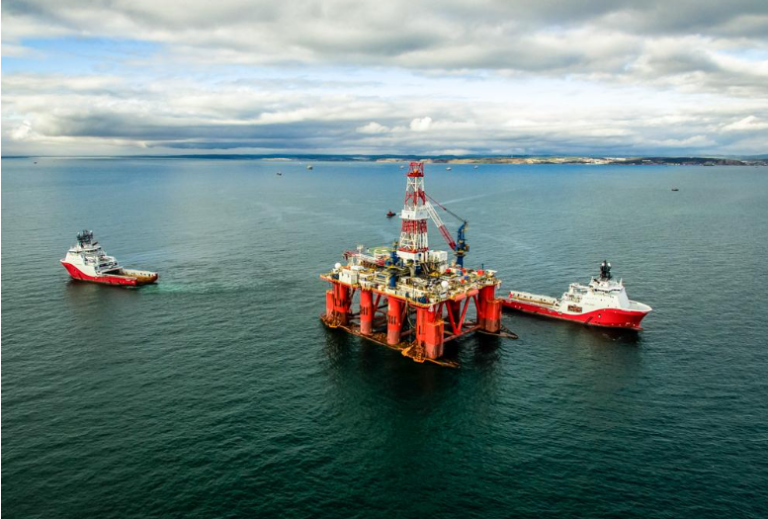
Developments in the offshore energy sector are highlighting the important role of offshore support vessels as the industry moves toward innovation, sustainability, and renewable energy.

Offshore construction and support vessels are essential for building both traditional oil and gas projects and the next generation of offshore wind farms and renewable energy sites. These vessels support subsea installation, platform construction, maintenance, pipeline work, and transporting wind turbine equipment.

Vessel ownership, deployment, and logistics are increasingly shaped by advances in technology, changing environmental regulations, and the industry’s push to lower its carbon footprint.

Researchers with the Independent Energy Market Analysis Initiative say the offshore sector is being shaped by new opportunities in renewables and a focus on efficiency and environmental responsibility.

The initiative studies how technology, sustainability targets, and changes in global energy markets influence offshore infrastructure and maritime logistics. Analysts say these factors are more interconnected as the energy transition speeds up.

“The offshore energy industry is shaped by commercial opportunities, growing demand for renewables, stricter environmental standards, and fast-changing technology,” the researchers said.

Industry analysts note that the market for offshore support vessels is quickly changing as companies invest in vessels suited for both fossil fuel and renewable projects.

Offshore support vessels remain key to large energy developments. Many are now equipped with technology for installing offshore wind turbines, subsea cables, and other infrastructure for cleaner energy.

Companies are exploring ways to redeploy offshore vessels to support new offshore wind markets in the North Sea, the U.S. East Coast, and Asia-Pacific.

Experts say deals involving offshore vessels now center on whether a vessel can meet the technical and environmental needs of the fast-growing renewables sector.

There is strong demand for vessels with cable-laying, heavy-lift, and low-emissions capabilities as the offshore wind and renewables market grows.

Offshore vessels also rely on global financing and insurance, often provided by Protection and Indemnity (P&I) clubs. Lenders and insurers are starting to prioritize vessels that can serve the renewables sector.

Banks and insurers are backing investments in vessels that meet new standards for emissions, efficiency, and safety, reflecting the move toward more sustainable operations.

Analysts say these standards are shaping how companies approach vessel upgrades and redeployments, with a preference for vessels capable of handling both conventional and renewable projects. As the energy mix evolves, vessels that support cable-laying, turbine installation, and other clean energy tasks are in demand. Researchers also note that how these vessels move and are used can have broader effects on energy markets and infrastructure.

“Offshore vessels are where energy markets, maritime logistics, and technology meet,” analysts said. “Understanding these connections is key as offshore wind and renewables grow.”

Industry analysts say there is more focus than ever on vessel capabilities as innovation speeds up and companies push for greener operations. As energy markets evolve, offshore support vessels will remain central to the construction and maintenance of oil, gas, and renewable energy projects. Companies must balance business opportunities with technological advancements, environmental responsibility, and evolving market needs. Some offshore services companies contacted about new vessel capabilities and renewables projects declined to comment. Experts say this trend shows how quickly technology and environmental standards are changing in global energy markets.

One maritime industry consultant said, “As sanctions frameworks evolve, companies operating offshore assets are likely to take a cautious approach to transactions that could attract regulatory attention.”


The Real Impact of Congestion on Accident Frequency in Big Cities

0

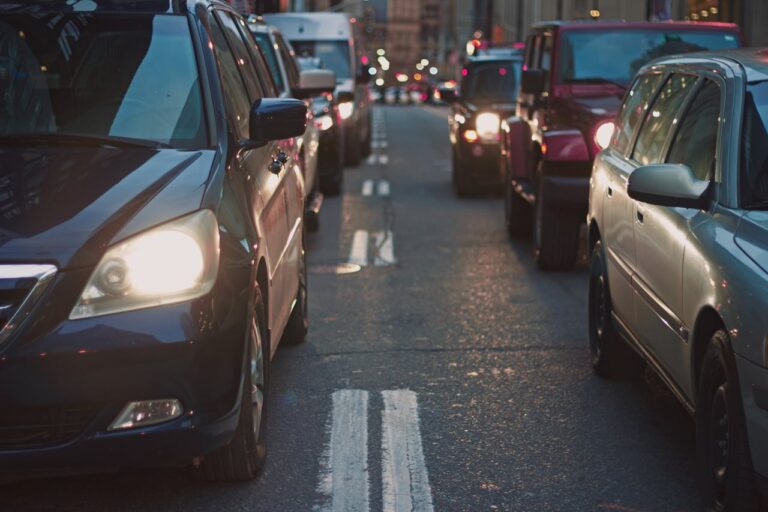
Urban centers across the globe are grappling with a paradox of modern mobility: as cities grow and technology advances, the sheer volume of vehicles on the road creates a gridlock that influences public safety in unexpected ways. While many assume that bumper to bumper traffic simply means slower commutes, the relationship between congestion and car accidents is far more complex.

Data from the NHTSA reveals that while fatalities occasionally dip due to slower speeds during peak hours, the overall frequency of collisions often remains high. Understanding the nuances of how heavy traffic patterns dictate road safety is essential for drivers and policymakers alike.

The Nonlinear Relationship Between Density and Danger

In big cities, the correlation between the number of vehicles and the frequency of accidents is not always a straight line. Research suggests a “U shaped” or nonlinear causality where both very low and very high traffic densities present unique risks.

The Phenomenon of Low Volume Speeding

When roads are relatively empty, such as late at night or during off peak hours, drivers are more likely to engage in high speed maneuvers. While the frequency of accidents might be lower during these times, the severity of the crashes is significantly higher. Conversely, in dense urban environments, the “fender bender” becomes the dominant accident type.

Friction Points in Heavy Gridlock

As traffic density increases, the number of “conflict points” between vehicles rises. Every lane change, merge, and sudden stop in a congested corridor acts as a potential trigger for a collision. Even at low speeds, the sheer volume of interactions makes a statistical increase in minor accidents almost inevitable. If you are navigating these high pressure environments and find yourself involved in an incident, you may want to take a look at legal resources available for urban commuters.

Psychological Stress and Driver Behavior

One of the most overlooked impacts of congestion is the psychological toll it takes on the person behind the wheel. Prolonged time spent in traffic is a known catalyst for irritability and diminished cognitive focus.

  • Aggressive Driving: Frustration from delays often leads to “jackrabbit” starts, tailgating, and weaving through traffic to save a few seconds.
  • The Distraction Factor: When movement slows to a crawl, drivers are more tempted to check mobile devices, leading to delayed reaction times when traffic suddenly lurches forward.
  • Fatigue: Long commutes in stop and start traffic contribute to driver exhaustion, which impairs judgment similarly to mild intoxication.

These behavioral shifts mean that even if the physical environment suggests safety due to low speeds, the human element remains highly volatile.

Vulnerable Road Users in the Urban Jungle

Big cities are not just home to cars; they are ecosystems of pedestrians, cyclists, and micromobility users. High congestion levels often push vehicular traffic into residential side streets or “cut through” routes that were not designed for heavy flow.

Intersection Complexity

Most urban accidents occur at intersections. In congested cities, drivers often “block the box” or attempt to beat yellow lights to avoid waiting through another cycle. This behavior puts pedestrians and cyclists at extreme risk, as their visibility is often obscured by large trucks or buses idling in traffic.

The Rise of Delivery Services

The explosion of e-commerce and food delivery has added a layer of complexity to city streets. Delivery drivers, often under strict time constraints, may double park or make abrupt stops in congested lanes, creating obstacles that other frustrated drivers must navigate. This chaos increases the likelihood of side swipe and rear end collisions.

Economic and Legal Consequences of Urban Crashes

The impact of congestion related accidents extends far beyond the initial dented bumper. The economic drain on a city due to accident induced delays is staggering. A single minor collision during rush hour can ripple through an entire metro system, causing thousands of hours of lost productivity.

When these accidents occur, navigating the aftermath requires a clear understanding of local regulations and insurance complexities. For those seeking professional guidance on how to manage the legalities of a city based collision, it is helpful to consult a car accident lawyer who understands the specific dynamics of urban litigation.

Determining Liability in Chain Reactions

In heavy traffic, a single car’s sudden brake can lead to a multi vehicle pileup. Determining who is at fault in these “accordion” accidents is notoriously difficult. Forensic evidence, dashcam footage, and witness testimonies become vital components of any legal claim. Finding a reputable firm can provide the necessary expertise to untangle these multi party disputes.

Conclusion

As we move toward 2026 and beyond, cities are looking at “Smart City” infrastructure to mitigate the dangers of congestion. Adaptive traffic signals that use AI to balance flow and vehicle to everything (V2X) communication are being tested to warn drivers of hazards before they are even visible.

However, technology is only a partial solution. Reducing accident frequency in big cities requires a cultural shift toward public transit, improved cycling infrastructure, and a collective commitment to patient, attentive driving. Until the day when autonomous systems handle the “stop and go” of the morning commute, the responsibility remains with the individual to stay focused despite the frustration of the gridlock.

How Investigators Reconstruct Large-Vehicle Crashes

0

When a collision involves a commercial truck or a multi-ton tractor-trailer, the physics of the impact are vastly more complex than a standard passenger car accident. Because of the sheer mass and specialized mechanical systems of these vehicles, “How Investigators Reconstruct Large-Vehicle Crashes” is a process that blends forensic engineering, digital data retrieval, and advanced physics.

Reconstructionists do not just look at the wreckage; they work backward from the final resting positions of the vehicles to determine the exact sequence of events. This involves a meticulous study of the roadway, the vehicle’s internal computers, and the environmental conditions at the time of the incident.

The Role of Physical Evidence at the Scene

The first stage of any investigation is the preservation of the scene. Large vehicles leave behind unique “roadway signatures” that provide clues about the driver’s actions before the impact.

Analyzing Tire Marks and Scuffs

Investigators categorize tire marks into several types. Skid marks occur when a tire is locked and sliding, often indicating heavy braking. Yaw marks, however, are curved and occur when a vehicle is steering and sliding simultaneously, which helps experts calculate the vehicle’s speed as it enters a turn. For large trucks, these marks are critical because they reveal whether the driver attempted to avoid the collision or if the brakes were functioning correctly.

Debris Fields and Point of Impact

The “point of impact” is rarely where the vehicles come to a stop. By mapping the debris field, shattered glass, plastic components, and fluid spills, investigators can identify where the initial strike occurred. Large vehicles often “gouge” the pavement during a collision when the heavy metal frame is forced downward into the asphalt. These gouge marks are definitive indicators of the maximum engagement point between two vehicles.

Leveraging “Black Box” Technology

Unlike older vehicles, modern commercial trucks are equipped with sophisticated electronic systems that act as a flight recorder. This is often referred to as an Event Data Recorder (EDR) or an Electronic Control Module (ECM).

These devices capture high-fidelity data in the seconds leading up to a crash. Data points typically retrieved include:

  • Vehicle Speed: The exact velocity at the time of the “trigger” event.
  • Braking Status: Whether the service brakes or the parking brakes were engaged.
  • Throttle Position: If the driver was accelerating or coasting.
  • Steering Input: The angle of the steering wheel, which indicates evasive maneuvers.
  • Engine RPM: This can show if the engine was under heavy load or if there was a mechanical failure.

Accessing this data requires specialized hardware, such as the Bosch CDR tool. Because this information is often stored on a loop, it can be overwritten if the vehicle is put back into service or if the battery is not disconnected. This makes the immediate preservation of the vehicle a legal priority. If you need to understand how this data impacts a legal claim, take a look here.

The Mathematics of Momentum and Energy

At the heart of reconstruction is Newtonian physics. Large vehicles possess immense kinetic energy, defined by the formula:

$$KE = \frac{1}{2}mv^2$$

In this equation, $m$ represents the mass of the truck and $v$ represents its velocity. Because velocity is squared, even a small increase in speed for an 80,000-pound truck results in a massive increase in the energy that must be dissipated during a crash.

Conservation of Linear Momentum

Investigators use the Principle of Conservation of Linear Momentum to determine pre-impact speeds. This principle states that the total momentum of the system before the collision must equal the total momentum after the collision (accounting for energy lost to friction and heat). By measuring the angles at which the vehicles departed the point of impact and their final rest positions, experts can solve for the unknown starting velocities.

Crush Analysis and Stiffness Coefficients

Every vehicle has a specific “stiffness” based on its structural design. By measuring the depth of the “crush” or deformation on the truck’s cab or trailer, engineers can estimate the “Delta-V” (the change in velocity) during the impact. This helps determine the severity of the forces acting on the occupants.

Modern Technology in Forensic Mapping

The days of using tape measures and hand-drawn sketches are largely over. Today, investigators use high-precision digital tools to create a “digital twin” of the accident scene.

3D Laser Scanning (LiDAR)

LiDAR scanners emit millions of laser pulses to create a 3D point cloud of the environment. This allows investigators to take measurements of the roadway, signs, and vehicle damage with sub-millimeter accuracy long after the scene has been cleared. This digital model can be rotated and viewed from any angle, including the driver’s perspective.

Photogrammetry and Drones

Drones are now a standard tool for capturing aerial imagery. Through photogrammetry, multiple overlapping photos are processed by software to create scaled 2D maps and 3D models. This is particularly useful for large-vehicle crashes that span hundreds of feet of highway, as it provides a comprehensive view of the entire approach and departure path.

Regulatory Compliance and Human Factors

A large-vehicle reconstruction is not complete without looking at the “human” element and the regulatory environment. Commercial drivers are governed by strict rules set by the Federal Motor Carrier Safety Administration (FMCSA).

Hours of Service and Driver Logs

Investigators review Electronic Logging Devices (ELDs) to see if the driver was in violation of “Hours of Service” regulations. Fatigue is a leading cause of large-vehicle accidents, and proving that a driver was over their legal limit can be a pivot point in an investigation.

Mechanical Inspections

A post-crash mechanical inspection is vital. Experts check the brake adjustment, tire tread depth, and the integrity of the fifth-wheel coupling. If a truck’s brakes were out of adjustment, it could significantly increase the stopping distance, making a crash that might have been avoidable into a fatal one. Understanding the 3 stats on large truck accidents and how you can stay safer on the road highlights how often mechanical or human error plays a role in these tragedies.

Conclusion

The final goal of a reconstruction is to present a clear, evidence-based narrative of what happened. This is often done through forensic animation. These animations are not just “cartoons”; they are physics-based simulations that use the data from the 3D scans and the “black box” to show the jury exactly how the vehicles moved.

Providing this level of clarity is essential in complex litigation. Legal professionals who specialize in these cases often rely on these expert reports to establish liability. 

Reconstructing a large-vehicle crash is a race against time. Evidence on the road fades, and digital data can be lost. By combining the laws of physics with cutting-edge digital mapping, investigators can uncover the truth behind even the most catastrophic collisions.

The Unique Dangers Railroad Workers Face Daily

0

The rail industry serves as the backbone of global commerce, moving millions of tons of freight and thousands of passengers across the country every single day. While the sight of a locomotive crossing the horizon might seem routine, the reality for those working on the tracks, in the yards, and inside the cabs is one of constant, high-stakes peril. Railroad workers operate in a unique industrial environment where the margin for error is virtually nonexistent.

Unlike standard office or factory jobs, railroad work combines the hazards of heavy machinery with environmental extremes and toxic exposures. Understanding the specific dangers these professionals face is essential for recognizing the physical and legal hurdles they must overcome when an accident occurs.

The Unique Dangers Railroad Workers Face Daily

The daily life of a railroader involves navigating a landscape of massive steel components and unpredictable variables. According to the Bureau of Labor Statistics, the fatality rate in the railroad industry is consistently higher than the average for the total private sector. This elevated risk is due to several intersecting factors that create a “perfect storm” of potential injury.

Crushing Injuries and Moving Equipment

One of the most immediate threats is the sheer scale and weight of the equipment. Locomotives and loaded railcars weigh hundreds of thousands of pounds. When these machines are in motion, they cannot stop quickly. Workers involved in switching operations, coupling air hoses, or “riding the cut” (standing on the side of a moving car) are at constant risk of being crushed or struck.

Caught-between accidents are a frequent cause of catastrophic injury. If a worker is caught between two cars during a coupling maneuver, the results are often fatal or lead to permanent limb loss. These incidents frequently stem from communication failures or mechanical defects in the braking and coupling systems.

Slip, Trip, and Fall Hazards

While they may sound minor, slips and falls are among the most common sources of debilitating injury for conductors and trackmen. Railroad yards are rarely smooth, paved surfaces. Instead, workers must traverse “ballast”—the jagged, uneven crushed stone that supports the tracks. Walking miles on shifting ballast leads to chronic knee, ankle, and hip problems, as well as acute fractures if a worker loses their footing.

Furthermore, locomotive walkways and cab floors are frequently contaminated with oil, water, or ice. Federal regulations strictly require that these areas be kept free of obstructions and treated for secure footing, but high-pressure schedules often lead to maintenance lapses. A fall from a moving train or a high signal bridge can result in traumatic brain injuries or spinal damage.

Occupational Health and Toxic Exposures

Beyond the immediate physical trauma of a collision or a fall, railroad workers face “hidden” dangers that may not manifest for years. The rail environment is a hub for various carcinogens and industrial toxins that compromise long-term health.

Diesel Exhaust and Chemical Vapors

Railroaders spend a significant portion of their shifts in close proximity to idling diesel engines. Diesel exhaust is a known human carcinogen containing fine particulates that penetrate deep into the lungs. Chronic inhalation is linked to lung cancer, bladder cancer, and various respiratory diseases.

In addition to exhaust, workers handle or work near various solvents and degreasers used to clean engine parts. Many of these chemicals contain benzene, a substance strongly associated with leukemia and non-Hodgkin’s lymphoma. Because these illnesses develop over decades, many retired workers only realize the extent of their exposure long after they have left the industry.

Creosote and Old Infrastructure

Maintenance-of-way employees frequently handle railroad ties treated with creosote, a thick, oily wood preservative. Skin contact with creosote can cause severe chemical burns and has been linked to skin cancer. Furthermore, many older bridges and railcars still contain lead-based paint and asbestos insulation. When these materials are disturbed during repair or demolition, they release toxic dust that workers inadvertently inhale.

Managing these materials requires specialized equipment and strict disposal protocols. For instance, when dealing with the removal of hazardous debris, workers must be aware of proper environmental guidelines, such as those regarding where to dump old railroad ties to prevent soil and water contamination.

The Legal Framework: FELA vs. Workers’ Compensation

Because of the extraordinary risks involved in rail work, Congress enacted the Federal Employers’ Liability Act (FELA) in 1908. Unlike standard workers’ compensation, which is “no-fault,” FELA requires an injured railroader to prove that the railroad was at least partially negligent.

Employer Responsibility Under FELA

Under this federal law, railroads have a non-delegable duty to provide their employees with a reasonably safe place to work. This includes maintaining tracks, providing proper tools, and ensuring adequate training. A critical aspect of this legal protection is the employer responsibility under FELA, which holds the company accountable if even the slightest negligence contributed to an injury.

If a railroad violates a federal safety statute—such as the Locomotive Inspection Act or the Safety Appliance Act—the worker’s burden of proof is even lower. In these cases, the railroad may be held “strictly liable,” meaning they cannot argue that the worker was also at fault for the accident.

Navigating Complex Litigation

Because FELA cases are significantly more complex than standard personal injury claims, specialized legal expertise is required. Many workers seek out FELA lawyers at Poolson Oden to navigate the intricate web of federal regulations and railroad company defenses. These professionals understand the nuances of how a simple slip on an oily walkway can represent a violation of federal law.

The litigation process often involves detailed inspections, expert testimony regarding industrial safety, and a deep dive into the railroad’s internal maintenance logs. Having a team with a proven track record is essential for securing the compensation needed for medical bills, lost wages, and long-term suffering. You can find more information about experienced firms through resources like a legal directory, which highlights their standing in the legal community.

Cumulative Trauma and Long-Term Disability

Not all railroad injuries happen in a single, explosive moment. Cumulative trauma—injuries that develop over months or years of repetitive motion—is a major concern for the workforce.

  • Repetitive Stress: Constant vibration from heavy machinery and the repetitive act of throwing manual track switches can lead to carpal tunnel syndrome, rotator cuff tears, and herniated discs.
  • Hearing Loss: The environment of a rail yard is loud. Between locomotive horns, screeching brakes, and idling engines, workers are often exposed to decibel levels that cause permanent, noise-induced hearing loss.
  • Psychological Impact: The stress of operating massive equipment, combined with irregular “on-call” schedules that disrupt sleep patterns, contributes to high rates of fatigue and anxiety.

Conclusion

Railroad workers face a daily gauntlet of physical and environmental threats that most people never have to consider. From the immediate danger of moving steel to the slow-acting poison of industrial chemicals, the risks are pervasive. While safety technology has improved over the last century, the “relentless pursuit of profits” often leads to shortcuts that put human lives at risk.

By understanding these hazards and the specific laws designed to protect them, railroad employees can better advocate for their safety and their rights. Whether dealing with an acute injury or a chronic illness linked to their service, these workers deserve the full protection of the law and the support of experts who understand the unique landscape of the American rail system.

7 Common Causes of Collisions in Busy City Environments

0

Modern urban environments are hubs of constant activity, but the same density that makes cities vibrant also creates a breeding ground for traffic incidents. With more vehicles, pedestrians, and cyclists sharing limited space, the margin for error is razor-thin. Understanding the mechanics of urban travel is essential for any driver navigating a metropolitan landscape.

If you have been involved in a collision, consulting an Omega Law car accident lawyer can help you navigate the complex legal aftermath of a city crash. Below are the seven most common causes of collisions in busy city environments.

1. Distracted Driving in High-Density Areas

Distraction remains the leading cause of accidents in urban settings. In a city, a driver is not just monitoring the car in front of them; they are tracking delivery trucks, pedestrians stepping off curbs, and changing signal lights.

The Impact of Mobile Devices

Even a three second glance at a smartphone can be catastrophic. At 30 miles per hour, a vehicle travels 44 feet per second. Looking down to check a notification means traveling the length of a professional basketball court while effectively blindfolded. In cities where stop-and-go traffic is the norm, rear-end collisions often occur because a driver was looking at a screen rather than the brake lights ahead.

Cognitive Overload

Cities provide a sensory onslaught. Digital billboards, GPS navigation voice prompts, and complex street signage contribute to cognitive distraction. When a driver’s mind is occupied with finding a specific turn or reading an advertisement, their reaction time to sudden hazards—like a cyclist swerving to avoid a pothole—is significantly diminished.

2. Intersection Hazards and Right-of-Way Errors

Intersections are the most dangerous points in any city road network. According to recent traffic data, nearly 40% of all urban collisions occur at intersections. These areas require multiple parties to communicate through signals and intent, and a single misunderstanding can lead to a T-bone or broadside collision.

Running Red Lights and Yellows

In an effort to beat heavy traffic, many drivers accelerate when they see a yellow light. This “dilemma zone” often results in vehicles entering the intersection just as the opposing traffic receives a green signal. The result is often a high-speed impact that causes significant property damage and personal injury. To understand the broader legal context of these incidents, you can research car accidents through national legal databases.

Misjudging Left Turns

Left-hand turns are statistically the most dangerous maneuver at an intersection. Drivers must gauge the speed of oncoming traffic while also ensuring the crosswalk they are turning into is clear of pedestrians. Miscalculating the gap in traffic is a frequent cause of head-on or side-impact crashes.

3. Speeding in Restricted Zones

While cities are known for gridlock, they also feature stretches of “stroad” environments—streets that function like roads with high speed limits but have the frequent turns and pedestrian activity of a street. Speeding in these areas is particularly lethal because urban infrastructure is designed for lower velocity.

Reduced Reaction Time

The faster a vehicle moves, the less time the driver has to react to an unexpected obstacle. In a city, these obstacles are frequent. A car pulling out of a parallel parking spot or a child chasing a ball into the street requires an immediate stop. High speeds significantly increase the braking distance, often making a collision unavoidable.

Severity of Injuries

Kinetic energy increases with the square of speed. A collision at 40 miles per hour is significantly more damaging than one at 20 miles per hour. For pedestrians, the difference in survival rates between being struck at 25 miles per hour versus 35 miles per hour is staggering, making speed enforcement a critical part of urban safety.

4. Failure to Yield to Vulnerable Road Users

Cities are unique because of the high volume of “vulnerable road users,” which includes pedestrians, bicyclists, and scooter riders. Collisions involving these groups are common in busy environments where drivers fail to check blind spots or yield the right-of-way.

Pedestrian Crosswalk Incidents

Many accidents occur when drivers make right turns on red without looking for pedestrians who have the “walk” signal. In a busy city, pedestrians may also step into the street from between parked cars, giving drivers little time to react if they are not scanning the roadside constantly.

The “Door Zone” and Cyclists

On narrow city streets with street parking, the “dooring” of a cyclist is a frequent occurrence. When a driver opens their car door without checking for approaching bicycles, it can cause a cyclist to flip over the door or swerve into moving traffic. This highlight the importance of the “Dutch Reach” method—using the hand furthest from the door to open it, which forces the body to turn and look back.

5. Tailgating and Aggressive Driving

Traffic congestion often leads to driver frustration, which manifests as aggressive driving or “road rage.” Following the vehicle in front too closely, known as tailgating, is a primary cause of multi-car pileups in city traffic.

The Chain Reaction Effect

In dense traffic, vehicles are often spaced only a few feet apart. If the lead vehicle brakes suddenly for a pedestrian or a changing light, the following driver has no space to stop if they are tailgating. This often results in a chain reaction where three or more cars are damaged in a single event.

Aggressive Lane Changes

Drivers who weave in and out of lanes to gain a few seconds of time often cut off other motorists. These maneuvers frequently occur in a driver’s blind spot, leading to side-swipe collisions. Professional legal platforms provide resources for those seeking to understand the liability involved in such aggressive maneuvers.

6. Poor Road Conditions and Infrastructure Flaws

Not all collisions are the result of driver error. The physical environment of the city plays a major role in traffic safety. Decaying infrastructure can create hazards that even a cautious driver might struggle to navigate.

Potholes and Uneven Pavement

Large potholes can cause a driver to lose control or blow a tire, leading to a collision with nearby vehicles or barriers. Furthermore, when a driver swerves suddenly to avoid a road defect, they may inadvertently move into the path of another car or a cyclist.

Confusing Signage and Lighting

Inadequate street lighting makes it difficult to see pedestrians at night, especially in areas without clear crosswalk markings. Similarly, confusing or obscured traffic signs can lead a driver to go the wrong way on a one-way street or enter a restricted bus lane, creating a high risk of a head-on crash.

7. Impaired Driving in Nightlife Districts

Busy city environments often feature entertainment districts where alcohol consumption is prevalent. While ridesharing has helped reduce some incidents, impaired driving remains a significant factor in late-night urban collisions.

Slowed Reflexes and Poor Judgment

Alcohol and drugs impair a driver’s ability to process multiple streams of information. In a city, where a driver must track signals, people, and other cars simultaneously, any level of impairment is dangerous. Impaired drivers are also more likely to engage in other risky behaviors, such as speeding or running red lights.

The Risk to Night-Shift Workers

Urban centers operate 24 hours a day. Delivery drivers, emergency responders, and night-shift workers are at a higher risk of being struck by an impaired driver during the early morning hours when visibility is low and the likelihood of encountering a drunk driver is at its peak. Finding the right legal representation after such an ordeal is vital, and there are many tips for finding the right car accident lawyer available for victims.

Conclusion

City driving requires a heightened state of awareness and a commitment to patience. By understanding these seven common causes of collisions, motorists can better anticipate risks and contribute to a safer urban environment for everyone.


The Hidden Perils of the Gridlock: Why Congestion Makes Urban Driving More Dangerous

0

Metropolitan living offers unparalleled access to culture, commerce, and community, but it comes with a steep price: the ubiquitous traffic jam. For many, urban congestion is viewed merely as a source of frustration or a drain on productivity. However, beneath the surface of slow-moving queues and idling engines lies a more sinister reality. Dense traffic isn’t just an inconvenience; it is a primary catalyst for vehicular trauma.

Understanding the mechanics of why heavy traffic increases risk is essential for every city dweller. From the psychological toll on drivers to the physical constraints of a crowded roadway, the “stop-and-go” nature of the city creates a perfect storm for accidents.

The Psychology of the “Hurry-Up” Mindset

One of the most significant dangers of urban congestion is the psychological shift it triggers in motorists. When drivers are stuck in a sea of brake lights, their internal clock begins to race against the reality of the road.

  • Heightened Aggression: Extended periods in traffic often lead to “road rage” or aggressive driving behaviors. Drivers may begin to view other motorists as obstacles rather than fellow travelers. This leads to unsafe lane changes, tailgating, and “squeezing” through yellow lights.
  • Cognitive Load and Fatigue: Navigating a high-density environment requires constant scanning for pedestrians, cyclists, delivery trucks, and changing signals. This creates a high cognitive load. Over time, mental fatigue sets in, slowing reaction times to the same level as an intoxicated driver.
  • The Impulse to Compensate: Once a driver finally breaks free from a congested patch, there is a natural, often subconscious, urge to speed to “make up for lost time.” This sudden burst of velocity in a dense urban environment is a recipe for disaster.

The Dynamics of Rear-End Collisions in Stop-and-Go Traffic

In urban centers, the most common type of accident attributed to congestion is the rear-end collision. While these are often dismissed as “fender benders,” they can result in chronic soft-tissue injuries and significant property damage.

The frequent, unpredictable braking patterns of a congested road mean that even a split second of distraction can result in impact. When hundreds of cars are spaced only feet apart, a single driver’s delayed reaction creates a literal domino effect. Furthermore, many drivers in heavy traffic tend to “creep” forward while looking at their phones, assuming the slow speed makes it safe to check a notification. This leads to thousands of low-speed impacts daily.

If you find yourself involved in such an incident, navigating the aftermath in a busy city like Los Angeles can be overwhelming. Seeking legal counsel through J&Y Law can be an essential step in securing the necessary medical and financial support.

The Proximity Factor: Sharing the Road with Vulnerable Users

Urban congestion isn’t just about cars; it’s about the complex ecosystem of a city street. In a dense environment, vehicles must share limited space with pedestrians, scooter riders, and cyclists.

  • Blocked Sightlines: Large delivery trucks or buses idling in traffic can create significant “blind zones.” A pedestrian crossing between cars or a cyclist filtering through traffic may not be visible to a driver until it is too late.
  • Infrastructure Overload: Often, urban infrastructure is not designed to handle the sheer volume of modern traffic. Narrow lanes and lack of dedicated turn-lanes mean that vehicles are forced to make awkward maneuvers, often encroaching on bike lanes or sidewalks.
  • Intersection Overlap: In heavy congestion, cars often “block the box,” or enter an intersection when there isn’t room to clear it. This traps vehicles in the middle of pedestrian crosswalks, forcing walkers into the path of active traffic.

The Impact of Modern Distractions in Traffic

Modern technology has changed how we experience congestion, but not for the better. When a car is moving at 5 mph, many drivers feel a false sense of security that allows them to interact with their infotainment systems or mobile devices.

The National Highway Traffic Safety Administration notes that distracted driving is a leading cause of urban accidents. In a high-traffic scenario, a driver’s attention is often divided between the bumper in front of them and a digital screen. However, hazards in a city environment—like a child darting into the street or a sudden lane merge—can happen in less time than it takes to read a text message.

Economic and Environmental Risks

The danger of congestion also extends to the physical state of the vehicle itself. Chronic stop-and-go driving leads to:

  1. Brake Wear and Tear: Constant braking reduces the efficiency of a vehicle’s stopping power over time.
  2. Overheating: Idling in high-temperature urban environments can lead to engine overheating, causing sudden vehicle stalls in the middle of moving traffic, which creates a massive hazard for trailing drivers.
  3. Emissions and Health: The high concentration of exhaust fumes in congested areas has been linked to respiratory issues, which can subtly impair a driver’s alertness over long-term exposure.

Seeking Recourse After an Urban Accident

When an accident occurs in a congested metropolitan area, the complexity of the case increases. Determining fault in a multi-vehicle pileup or a collision involving public transit requires specialized knowledge. For those navigating the legal landscape, resources like the legal directories provide insight into the professional standing and background of those who handle these cases.

Navigating the aftermath of a city crash is stressful, and it is vital to know how to find the right car accident lawyer to ensure your rights are protected against insurance companies that may try to downplay the impact of urban collisions.

Mitigating the Risks of Urban Congestion

While we cannot always avoid traffic, we can change how we behave within it. To stay safe in congested city streets, drivers should:

  • Increase Following Distance: Even at low speeds, keeping more than one car length of space provides a buffer for sudden stops.
  • Limit “In-Queue” Distractions: Treat the traffic jam with the same level of focus as high-speed highway driving.
  • Anticipate the Flow: Look several cars ahead rather than just at the bumper directly in front of you. This allows you to react to braking patterns before they reach your position.
  • Plan for Delays: Often, the stress of being late is what drives dangerous behavior. Leaving 15 minutes early can drastically lower your physiological stress response when you inevitably hit a bottleneck.

Conclusion

Urban congestion is an inescapable facet of modern life, but its dangers are largely avoidable through awareness and patience. By understanding the psychological and physical risks inherent in heavy traffic, we can become more conscientious drivers. The city road is a shared resource; when we prioritize safety over speed, we make the urban environment more navigable for everyone.

Would you like me to expand on the specific traffic laws that apply to lane-splitting or pedestrian right-of-way in major cities?

Understanding the Severity of Truck Crash Impact Forces

0

Truck accidents are among the most destructive events on modern roadways. When a fully loaded commercial truck collides with a passenger vehicle, the impact forces involved are significantly greater than those in standard car crashes. These forces are shaped by several factors including vehicle weight, speed, braking distance, and structural differences between trucks and smaller vehicles. Understanding how these forces work helps explain why truck crashes often lead to severe injuries and extensive property damage.

This article explores the physics behind truck crash impact forces, the key risk factors involved, and why these collisions are particularly dangerous for passenger vehicle occupants.

The Physics Behind Truck Crash Impact Forces

When a collision occurs, the damage produced is largely determined by physics. Momentum, kinetic energy, and mass all contribute to the force experienced during impact.

Mass and Momentum in Large Truck Collisions

Commercial trucks can weigh up to 80,000 pounds when fully loaded. In comparison, the average passenger car weighs roughly 3,000 to 4,000 pounds. Because momentum is calculated as mass multiplied by velocity, trucks carry vastly more momentum than smaller vehicles traveling at the same speed.

This means that during a collision, the truck’s momentum transfers a tremendous amount of force into the smaller vehicle. As a result, passenger cars absorb most of the crash energy, often leading to catastrophic damage.

Kinetic Energy and Impact Severity

Kinetic energy increases exponentially with speed. Even a slight increase in velocity significantly raises the energy released during a crash. For example, if a truck traveling at highway speeds collides with a car, the kinetic energy involved can multiply the destructive force many times over.

Research on truck crash risks and statistics helps illustrate how speed and vehicle size influence crash outcomes. For further insights into the risks associated with commercial trucks, see these important truck accident safety statistics.

Why Truck Crashes Are More Dangerous Than Car Accidents

Truck accidents tend to cause more severe injuries than standard vehicle collisions. Several structural and operational factors contribute to this increased danger.

Vehicle Size and Height Differences

Large trucks sit significantly higher than passenger vehicles. During a collision, this height difference can cause an override or underride crash.

In underride accidents, a smaller vehicle can slide beneath the trailer of a truck, often resulting in severe damage to the vehicle’s roof and passenger compartment. These crashes are particularly dangerous and frequently lead to life-threatening injuries.

Increased Braking Distance

Trucks require much longer distances to stop compared to passenger vehicles. A fully loaded semi-truck traveling at highway speed may need the length of two football fields to come to a complete stop.

This extended braking distance makes it harder for truck drivers to react quickly to sudden traffic changes, increasing the likelihood of high-impact crashes.

Limited Maneuverability

Commercial trucks have wider turning radiuses and larger blind spots. These blind spots—often called “no-zones”—make it difficult for truck drivers to see smaller vehicles around them.

When a car remains in one of these blind spots, a sudden lane change or merge can result in a severe side-impact collision.

Types of Truck Collisions With the Highest Impact Forces

Certain types of truck accidents generate particularly high levels of impact force due to speed, direction, or vehicle dynamics.

Rear-End Collisions

When a truck rear-ends a passenger vehicle, the size and weight difference can create enormous crushing force. Because trucks require longer stopping distances, these crashes often occur at higher speeds.

Rear-end truck accidents frequently lead to severe spinal injuries, traumatic brain injuries, and significant vehicle deformation.

Jackknife Accidents

A jackknife occurs when the trailer swings outward from the truck cab, forming an angle similar to a folding pocket knife. This can happen when drivers brake suddenly or lose traction.

Jackknife crashes can sweep across multiple lanes of traffic, causing multi-vehicle collisions and spreading impact forces across several vehicles at once.

Rollover Accidents

Truck rollovers are another dangerous scenario. Because of their high center of gravity, trucks are more likely to tip during sudden turns, sharp curves, or uneven weight distribution.

When a rollover occurs, the trailer may crush nearby vehicles or block multiple lanes of traffic, greatly increasing the risk of secondary collisions.

The Role of Cargo Weight and Load Distribution

Cargo weight plays a major role in determining the severity of truck crash impact forces.

Overloaded Trucks

Federal regulations limit the maximum weight of commercial trucks, but overloaded trucks still appear on roadways. Excess weight increases stopping distance and makes vehicles harder to control.

In a crash scenario, the additional mass increases momentum and the force transferred during impact.

Improperly Secured Cargo

Improper cargo distribution can destabilize a truck. Shifting cargo may cause sudden balance changes that lead to rollovers or jackknife accidents.

When cargo breaks free during a crash, it can also strike nearby vehicles, multiplying the destructive force of the initial collision.

According to safety research compiled by the National Safety Council’s data on large truck crashes, commercial truck accidents consistently result in higher fatality and injury rates compared to standard passenger vehicle crashes.

How Impact Forces Translate Into Injuries

The severe impact forces generated in truck crashes often lead to devastating injuries.

Traumatic Brain Injuries

High-speed truck collisions frequently cause traumatic brain injuries due to the rapid deceleration and violent movement of the head during impact.

Spinal Cord Damage

The immense forces involved can compress or fracture the spine, leading to long-term mobility limitations or paralysis.

Internal Injuries

Blunt force trauma from truck collisions can damage internal organs and cause internal bleeding, which may not always be immediately visible but can be life-threatening.

Understanding these injury risks helps explain why truck accident cases often involve complex investigations and legal considerations. If you want more details about legal resources related to truck accidents, you can view this legal page.

Investigating Truck Crash Forces After an Accident

Truck accidents typically require detailed investigation to determine the cause and extent of the impact forces involved.

Accident Reconstruction

Experts often reconstruct the crash using physics calculations, vehicle damage analysis, and digital data from truck systems. These reconstructions help determine speed, braking behavior, and point of impact.

Electronic Logging Devices and Data Recorders

Many commercial trucks contain electronic logging devices (ELDs) and event data recorders. These systems can provide valuable information about driver behavior, speed, and braking before the crash.

Legal and Liability Considerations

Truck accidents may involve multiple parties, including the driver, trucking company, cargo loaders, and maintenance providers. Because of these complexities, legal professionals experienced in trucking accident litigation often handle such cases.

Information about legal professionals working in this field can be found through resources such as legal directories.

Conclusion

Truck crash impact forces are significantly more powerful than those seen in typical car accidents. The immense weight of commercial trucks, combined with high speeds and complex vehicle dynamics, creates dangerous conditions on the road.

Understanding the physics behind these crashes, along with factors like cargo weight, braking distance, and vehicle structure helps explain why truck accidents often lead to severe injuries and widespread damage. Greater awareness of these risks can encourage safer driving practices around commercial vehicles and contribute to reducing the number of devastating truck collisions on our roads.