Home Blog Page 17

Why Pediatric Dental Specialists Are Essential for Your Child’s Oral Health

0

When it comes to raising healthy children, oral care is often just as important as nutrition and exercise. Developing good dental habits early can set the foundation for a lifetime of strong teeth and confident smiles. While general dentists can provide routine care, many families are discovering the unique benefits of working with pediatric dental specialists who focus exclusively on children’s oral health needs.


What Makes Pediatric Dentists Different?

Pediatric dentists receive additional training beyond dental school to better understand the unique needs of infants, children, and adolescents. This includes advanced education in child psychology, growth and development, and specialized techniques for managing dental anxiety. As a result, these specialists are uniquely qualified to provide care in a way that is both effective and comforting for young patients.

Another key difference lies in their approach to treatment. Pediatric dental specialists tailor their strategies to match the developmental stages of children. Whether it’s teaching proper brushing techniques to toddlers or guiding teenagers through orthodontic evaluations, they provide age-appropriate care that evolves as the child grows.


Creating a Positive Dental Experience

Many adults carry dental anxiety from negative experiences in childhood. Pediatric dental practices are designed to prevent this by creating a welcoming, child-friendly environment. From playful décor to gentle communication, everything is geared toward making children feel comfortable and safe.

Specialists also use techniques such as “tell-show-do,” where the dentist explains and demonstrates a procedure in a simple, reassuring way before performing it. This not only builds trust but also empowers children by making them active participants in their own care.


Preventive Care as the Foundation

Preventive dentistry is at the heart of pediatric dental care. Regular cleanings, fluoride treatments, and sealants protect against cavities, which remain one of the most common chronic conditions in children. Early detection of issues like misaligned bites, thumb-sucking habits, or jaw development concerns allows for timely interventions that can reduce the need for extensive treatments later on.

Nutrition counseling and education also play a significant role. Pediatric dental specialists help parents and children understand the impact of diet on oral health, emphasizing habits that support strong teeth and healthy gums.


Handling Specialized Needs

Not all children have the same dental needs. Some may require care for conditions like enamel defects, while others may have special health considerations that complicate treatment. Pediatric dentists are trained to manage these situations with a compassionate, individualized approach. They also work closely with orthodontists, pediatricians, and other healthcare providers to ensure coordinated care when needed.


Building Healthy Habits for Life

The ultimate goal of pediatric dental specialists is to instill positive oral health habits that last into adulthood. By making dental visits an enjoyable and educational experience, children are more likely to embrace lifelong routines of brushing, flossing, and regular checkups.

For parents seeking the best care for their children, pediatric dental specialists provide the expertise, patience, and environment needed to ensure every child grows up with a healthy, confident smile.

Greener Tech Habits: Living Sustainably in a Digitally-Driven World

0

In the 21st century, the line between the digital and physical world is becoming increasingly blurred. As people spend more time online, the environmental footprint of everyday digital behavior is growing too. While much attention is given to industrial pollution and fossil fuels, the quiet yet significant impact of technology use often goes unnoticed. However, our digital decisions—what apps we download, how we stream content, or which platforms we use—can also shape a greener future.

Conscious Digital Consumption Starts with Smart Alternatives

The sheer number of apps people use daily adds to energy demands on servers and networks worldwide. While each individual’s digital actions may seem insignificant, collectively they create a measurable environmental impact. Instead of defaulting to data-heavy apps, users can explore efficient, lightweight options that provide similar functionality. Platforms like similartimes.com help users find alternatives and similar tools that perform just as well, sometimes even better, with fewer resources.

Choosing Media Mindfully

Streaming content has become the norm, but few realize that watching HD videos for hours consumes immense bandwidth and energy. Opting for low-resolution or offline viewing can significantly reduce your carbon footprint. For users seeking more efficient entertainment choices, websites like alternativestimes.com recommend similar streaming platforms or apps that are lighter on data consumption while still offering quality content.

Digital Minimalism as a Lifestyle

Digital minimalism isn’t just good for mental health—it’s better for the environment too. By limiting the number of apps and deleting unused ones, individuals reduce energy use and extend device life. Websites that specialize in showcasing lighter and simpler app alternatives encourage users to make tech choices that are both practical and sustainable. This balance supports a clutter-free digital space and a healthier planet.

Exploring Greener Fitness Tools

Health and fitness apps often run in the background, track real-time data, and demand constant syncing with servers. These features, though helpful, use more energy than one might expect. Those looking for more sustainable wellness options can benefit from platforms that list efficient alternatives to heavy health-tracking apps, promoting not only better physical fitness but also reduced digital waste.

Smart Devices, Smarter Usage

Many homes are now equipped with smart technology—thermostats, voice assistants, and energy monitors. While these innovations offer comfort and control, they also consume energy continuously. Instead of relying on default tech, consumers can explore smarter versions that conserve more power. Discovery tools offering similar home automation apps and devices ensure that users make informed, eco-conscious decisions about their smart living choices.

Rethinking Social Media and Communication

Social media, while crucial for staying connected, is another silent contributor to environmental strain. Every post, video upload, and message syncs with cloud services, leading to higher server activity. Switching to communication platforms that require less bandwidth can make daily interaction more sustainable. Tools that suggest alternatives for messaging and networking apps empower people to stay social while keeping an eye on energy efficiency.

Battery Life and E-Waste Prevention

Frequent charging, software updates, and constant screen-on time can shorten a device’s lifespan, increasing e-waste. One overlooked solution is to use apps that are battery-friendly and reduce device stress. Websites that specialize in comparing similar lightweight apps provide valuable suggestions that not only preserve your device’s health but also contribute to a longer product lifecycle, indirectly helping reduce tech waste.

Productivity with Purpose

Whether for work or study, people rely on dozens of productivity tools—from note-taking apps to file-sharing services. Choosing cloud services with energy-efficient infrastructure or switching to apps that consume fewer resources can make a surprising difference. Using platforms that list alternatives to mainstream office and productivity software helps individuals work smarter while reducing the environmental toll of their digital footprint.

Gaming and Sustainable Entertainment

The rise in online gaming and VR has created new dimensions in entertainment—but it also demands massive power from both personal devices and backend servers. Users who love gaming but want to make better environmental choices can turn to sites that recommend games and entertainment platforms that use fewer resources, blending fun with responsibility.

Travel Apps and Environmental Awareness

As travel rebounds post-pandemic, more users are relying on apps to plan eco-conscious trips. Whether it’s finding the nearest electric vehicle charging station or choosing the least carbon-intensive flight, the right app can help reduce your travel footprint. Tools that offer green alternatives or similar apps for sustainable travel empower users to align their wanderlust with environmental responsibility.

Educating the Next Generation of Green Thinkers

Young users, especially students, are becoming increasingly aware of environmental challenges. Educational apps that also integrate eco-friendly practices—like low-bandwidth content delivery or offline modes—are paving the way for a more responsible future. Parents and educators can benefit from blogs that highlight similar or better-performing learning platforms that are lighter on energy and data consumption.

Final Thoughts

Every click, stream, download, and upload has an impact—small for one user, but significant in the aggregate. Living responsibly in the digital age isn’t about abandoning technology—it’s about using it more wisely. The beauty of platforms that showcase similar and alternative apps, services, and websites is that they allow users to make these better choices easily.

Technology can be part of the solution—not just the problem—when used intentionally. From picking the right app to changing how we consume content, our digital habits are powerful tools in the global effort to build a more sustainable and healthier world.

5 Signs You’ve Lived a Past Life—Inspired by Whispers in the Forest

0

Kelly O’Hearn’s mystical novel may help you remember more than just a good story—it might awaken your soul. 

Have you ever felt a deep connection to a place you’ve never been? Dreamed vividly of a different era or culture? Or experienced a sudden flash of emotion that seems to belong to someone else—or to some other time? If so, you’re not alone. The idea of past lives has fascinated humanity for centuries, and today it’s more than just a spiritual curiosity. Books like Kelly O’Hearn’s Whispers in the Forest, the second installment in her Arcanum series, bring reincarnation and soul memory into the heart of storytelling, inviting readers to reflect on the mysteries of their own lives. 

In Whispers in the Forest, perfumer Sarah Fuller follows a haunting inner pull to the South of France, where her search for the perfect rose awakens startling visions of a medieval life—one filled with magic, love, and danger. As Sarah’s dreams intensify and bleed into waking life, she begins to question everything she thought she knew about time, identity, and connection. Her journey mirrors what many people describe when they begin to remember—or intuit—their own past-life experiences. 

Could you be carrying memories from a former life? Here are five signs, inspired by the themes in Whispers in the Forest, that might suggest your soul has traveled through time before. 

  1. You Have Unexplained Emotional Responses

Have you ever burst into tears at a historical site or felt overwhelming joy—or grief—while hearing music from another culture or era? In Whispers in the Forest, Sarah’s emotional response to an ancient variety of rose signals something deeper at play. Intense reactions that seem out of proportion or context might be your soul recognizing something from the past. 

Emotional memory can often outlast conscious memory. When you encounter a person, object, or place that triggers a strong response, it may be a clue that your spirit remembers something your mind does not. 

  1. Vivid Dreams or Nightmares of Another Life

Sarah’s story is driven by recurring dreams of a mysterious maiden with healing gifts and a forbidden love. These dreams don’t feel symbolic—they feel real. For many people, dreams are the doorway to soul memory. If you’ve ever dreamed repeatedly of a different time period, a foreign land, or a life with unfamiliar yet familiar details, you could be accessing your past-life memories. 

Keeping a dream journal can help track patterns or recurring symbols. Over time, you might find consistent imagery that points to a specific historical time or geographic region. 

  1. Instant Recognition of Places or People

Another major theme in O’Hearn’s novel is soul recognition—the idea that we know our soulmates across time. Sarah’s instant and intense connection with a stranger she meets in Provence suggests an ancient bond rekindled. 

If you’ve ever met someone and felt like you’ve known them forever—or felt strangely comfortable (or uncomfortable) in a place you’re visiting for the first time—you might be tuning in to a past-life connection. These déjà vu moments can feel eerie and beautiful, hinting at the timelessness of soul relationships. 

  1. A Pull Toward Certain Cultures, Eras, or Traditions

Even without travel or education, some people feel drawn to certain cultures or historical periods. Whether it’s an affinity for Egyptian mythology, Celtic music, or medieval architecture, your fascinations might stem from firsthand soul memory. 

In Whispers in the Forest, Sarah doesn’t understand why she’s obsessed with the scent of a particular rose. But that longing leads her to unravel a lifetime she once lived. When you feel magnetically drawn to something specific, follow the thread—it may lead you to your past.  

  1. Spiritual Gifts or Talents That Feel Innate

Have you ever had a skill or knowledge that seemed to come out of nowhere? Maybe you’ve picked up a new language quickly, instinctively understood a healing practice, or had psychic or intuitive abilities that defy logic. Past-life theory suggests that soul learning is cumulative. You might be remembering something you once mastered. 

Sarah’s intuition grows as she reconnects with her medieval self, including her ancient wisdom of herbs and scent. In real life, many spiritual seekers report reawakening gifts from previous lives during meditation, hypnosis, or personal crises. 

While no single experience can prove the existence of past lives, the collective weight of these signs often convinces those who experience them. Kelly O’Hearn’s Whispers in the Forest doesn’t just entertain—it opens a spiritual conversation. Through sensual, emotional, and mystical storytelling, O’Hearn invites us to reflect on who we are and who we’ve been. 

As Sarah Fuller discovers, sometimes the answers we seek aren’t in the future or the present—but in the lives we’ve already lived. 

Whether you’re a skeptic, seeker, or seasoned believer, Whispers in the Forest is a beautifully written gateway into the soul’s enduring journey. It reminds us that love, truth, and purpose may be woven through many lifetimes—and that your story might be more ancient than you think. 

To learn more about Kelly O’Hearn and the Arcanum series, visit ArcanumTheSeries.com. 

Fleeing from a Narcissist’s Clutches: How to Safely Plan Ahead

0

Dealing with someone who has narcissistic personality disorder (NPD) within the same household can be an extremely draining experience. Their children and spouses are subjected to a lot of damaging family structures, plagued by poor communication, no clear boundaries, control issues, and unhealthy competition. Narcissists perpetuate this toxic environment with behaviors such as gaslighting, blame shifting, exaggerating their own achievements, and minimizing the feelings of their family members. Those on the receiving end often develop long-term mental health effects from this negative behavior, including distrust of others, low self esteem, and even substance abuse. Children are especially at risk of developing NPD as well.


Eventually, some family members may finally have enough and wish to gain control over their lives. In order to safely escape, they need to carefully plan what life looks like during and after the separation. They will need to move money to separate accounts, create new contact information, and determine the division of property and child custody, as well as contact a lawyer for help. It’s recommended that this planning is done while the narcissist is away; otherwise, they might do everything in their power to sabotage the escape. Family and friends should be alerted to the date of the escape so they can offer their emotional support and the safety of their homes to the fleeing family. 

How Narcissists Destroy Families

AquaVitae Shows How Alejandro Betancourt Tackles Global Water Challenges Through Technology

0

Fresh water, despite covering only a tiny fraction of Earth’s surface, stands as our most vital resource. Yet billions of people worldwide lack access to clean drinking water, with countless communities facing contamination issues, infrastructure problems, and increasing scarcity. While many business leaders focus on more visible technology trends, Alejandro Betancourt has directed his attention toward this fundamental human need through his venture AquaVitae.

“My latest venture aims to address the water crisis by securing access to groundbreaking technologies,” Betancourt explains on his website. “My mission is rooted in the belief that access to clean and safe water is fundamental.” This focus reveals how Betancourt’s business strategy extends beyond profit-centered initiatives to include solutions for pressing global issues.

Understanding the Global Water Challenge

The water crisis represents one of the most urgent yet under-addressed global challenges. Over 2 billion people live without safe drinking water in their homes, while water-related diseases cause nearly a million preventable deaths annually. Climate change continues to worsen these conditions through shifting precipitation patterns, increased evaporation, and saltwater intrusion into coastal aquifers.

These issues affect both developing regions lacking basic infrastructure and industrialized nations with aging water systems. Communities from rural Africa to Flint, Michigan face different manifestations of the same basic problem: access to clean, reliable water supplies. The technical solutions exist, but implementation, financing, and sustainable management present significant obstacles.

With AquaVitae, Betancourt positions himself at the intersection of humanitarian need and business opportunity. Water technology represents a growing market expected to reach $914.3 billion by 2023, according to industry forecasts. This convergence of social impact and business potential exemplifies Betancourt’s approach across his various ventures—finding areas where solving genuine problems creates sustainable business models.

AquaVitae’s Technological Approach

AquaVitae distinguishes itself by focusing on “securing access to groundbreaking technologies” rather than simply applying conventional water treatment methods. This emphasis on innovation indicates Betancourt’s recognition that solving entrenched water problems requires fresh approaches that go beyond traditional infrastructure.

Modern water technology encompasses filtration systems that remove contaminants at the molecular level, smart monitoring systems that detect problems before they affect consumers, and desalination processes that transform seawater into drinking water with minimal energy requirements. By seeking out and implementing these cutting-edge solutions, AquaVitae aims to make clean water access achievable in contexts where traditional approaches have failed or proven prohibitively expensive.

Betancourt’s technology-centered mindset, evident across his various business ventures and in his writing about technological change, finds practical application in AquaVitae’s approach to water challenges. Rather than viewing water access as simply an infrastructure problem, the company treats it as an innovation challenge—one where smart application of emerging technologies can overcome limitations that have persisted for decades.

Building Purpose Into Business Structure

AquaVitae represents Betancourt’s commitment to “leveraging cutting-edge technology and sustainable practices to address the global water crisis.” This mission-driven approach differs from purely profit-focused businesses while also avoiding the limitations of traditional charitable models.

By structuring AquaVitae as a company rather than a nonprofit organization, Betancourt creates a sustainable engine for ongoing innovation and implementation. This model allows the venture to attract investment capital, build scalable operations, and continue expanding its impact through profitable growth rather than depending on donations or grants.

This approach echoes ideas Betancourt explores in his essay “Pain and Pleasure: The Yin and Yang of Life,” where he discusses finding balance between seemingly opposite forces. AquaVitae exemplifies this balance—meeting urgent humanitarian needs while building a sustainable business model. This integration of purpose and practicality appears consistently across Betancourt’s ventures.

Measuring Impact Beyond Financial Returns

For companies addressing fundamental human needs like water access, measuring success requires looking beyond standard financial metrics. AquaVitae’s mission to “make a meaningful impact in communities worldwide” suggests Betancourt values outcomes that traditional business reporting might not capture.

Effective water initiatives track metrics like number of people gaining reliable access, reduction in waterborne diseases, time saved (particularly for women and girls who often bear water-collection responsibilities), and ecological improvements from proper water management. These measures provide a more complete picture of impact than revenue or profit alone.

This multidimensional view of business success connects to themes Betancourt explores in pieces like “More Than Meets the Eye: The Fluidity in Knowing Others,” where he discusses looking beyond surface appearances to deeper realities. Just as he advocates for seeing the complexity in people, his approach to business acknowledges the complex social and environmental impacts that financial statements don’t capture.

Related: Eating and Lifestyle Habits For A Healthy Gym Journey That Actually Work

The Future of Water Technology

The water technology sector continues evolving rapidly, with innovations in areas like atmospheric water generation (pulling drinking water directly from air), advanced materials for filtration, blockchain systems for water quality verification, and AI-powered distribution networks that minimize waste and contamination.

For AquaVitae, staying at the forefront of these developments requires the same forward-thinking approach Betancourt applies across his ventures. His experience in technology investment through ALMA Capital likely provides valuable perspective on identifying promising water innovations and bringing them to market effectively.

Individual water consumers increasingly recognize their role in conservation through smart home devices that monitor usage, rainwater harvesting systems, and water-efficient appliances. This growing consumer awareness creates additional opportunities for companies like AquaVitae to provide solutions that empower individual action alongside larger infrastructure projects.

Connecting Personal Principles to Business Action

Alejandro Betancourt’s water venture reflects principles evident throughout his diverse activities. His Substack essays frequently explore themes of practical philosophy and conscious living—ideas that find concrete expression in initiatives addressing fundamental human needs like water access.

In “Spinning Through the Dark,” Betancourt considers big questions about existence and meaning. His water technology work represents one answer to these existential questions—directing his business capabilities toward solving problems that directly impact human flourishing and environmental health.

Similarly, his essay “The Intersection of Personality and Lifestyle in Mental Health” explores how personal traits shape life outcomes. Through AquaVitae, Betancourt demonstrates how entrepreneurial personality traits can create positive lifestyle changes for communities gaining reliable water access—showing how business leaders can create significant positive impact by applying their skills to fundamental human problems.

For business leaders considering how their own skills might address global challenges, Betancourt’s water initiatives provide an instructive example. By identifying essential human needs, seeking innovative technological solutions, and building sustainable business models around them, entrepreneurs can create ventures that generate both profit and meaningful impact on issues that matter for human well-being and environmental health.

Read: Alejandro Betancourt’s Guide to Authentic Self-Expression

Eating and Lifestyle Habits For A Healthy Gym Journey That Actually Work

0

Getting fit at the gym isn’t just about showing up and lifting weights or running miles. What you eat and how you live outside the gym has a huge impact on your progress and overall health. Without good habits, it’s easy to hit a plateau or feel wiped out.

You need more than just workouts to see results. Proper nutrition fuels your body, while habits like sleep, hydration, and stress management keep you performing your best. Making small changes in these areas can make your gym journey smoother and more rewarding.

Building a Balanced Nutrition Foundation

Getting the right balance in your meals helps fuel your workouts and supports overall well-being. Knowing what to eat and how to organize your food choices makes sticking to healthy habits easier.

Macronutrients and Micronutrients

You need a good mix of macronutrients: protein, carbohydrates, and fats. Protein helps repair muscle after workouts, so aim for sources like lean meats, beans, dairy or organic whey protein. Carbs from whole grains and fruits give you energy for exercise, while healthy fats support brain function and hormone balance.

Micronutrients like vitamins and minerals are small but crucial. Vegetables and fruits provide antioxidants and nutrients that help recovery and keep your immune system strong. Avoid relying on fad diets that cut entire food groups, as you might miss essential nutrients.

Free Happy woman basking in sunlight on a summer hike with yoga mat. Stock Photo

Meal Prep for the Gym-Goer

Planning meals ahead makes it easier to stick to portion control and avoid processed foods or excess sugar. Prep balanced meals with lean protein, whole grains, and plenty of vegetables to have on hand after workouts.

Cooking in batches can save time and reduce the temptation to grab unhealthy snacks. Use containers to portion out meals, so you just grab and go. Small changes like this help build lasting healthy habits without stressing your schedule.

Food Choices to Support Gym Goals

Choose foods that align with your specific gym goals. For muscle gain, focus on protein-rich foods and whole grains. If fat loss is your goal, prioritize vegetables, lean proteins, and limit processed foods and sugary snacks.

Stay hydrated and include a variety of fruits and vegetables for vitamins and minerals. Skipping meals or going extreme with diets can hurt your performance and recovery. Stick to steady, balanced eating habits that support both your workouts and overall lifestyle.

Smart Eating Habits for Fitness Progress

To make steady gains at the gym, focus on habits that support your metabolism and energy levels throughout the day. Small changes like having enough protein in breakfast, eating complex carbs and healthy fats can help. Chocolate vegan mass gainer is one of the best supplements that can help you meet your protein goals for gym routine.

Hydration and Water Intake

Water is essential for your workouts and overall health. Aim to drink at least 8 cups of water daily, increasing intake on training days to replace fluids lost through sweat.

Proper hydration helps regulate metabolism and supports your immune system. Drinking water before meals can also help with portion control by making you feel fuller and preventing overeating.

Avoid sugary drinks that add empty calories. Instead, keep a reusable water bottle handy and sip regularly. If you struggle to drink enough plain water, try adding lemon or cucumber for flavor.

Free Colorful meal prep containers with falafel, chickpeas, rice, and vegetables for a healthy lifestyle. Stock Photo

Mindful Eating and Portion Awareness

Pay attention to how much and what you eat to avoid mindless snacking or overeating. Use smaller plates to help control portions without feeling deprived.

Focus on whole foods like lean proteins, vegetables, and complex carbs, which support muscle repair and keep your energy steady. Keep track of calories if weight loss is your goal, but don’t obsess—balance is key.

Eat slowly and avoid distractions like phones or TV. This helps your brain register fullness signals, preventing overeating. Snack mindfully by choosing nutrient-dense options instead of processed foods.

Sustainable Habits for Long-Term Wellness

You want habits that last, not quick fixes that fade. Plan meals ahead to avoid grabbing unhealthy options when you’re hungry. Cook simple, nutrient-packed recipes that you enjoy.

Consistency matters more than perfection. Build a routine where you eat balanced meals spaced evenly throughout the day. This approach maintains steady metabolism and energy.

Remember, your fitness journey is about wellness, not just weight loss. Prioritize small, sustainable tweaks in your lifestyle to build habits that support your health for years to come.

Lifestyle Habits That Maximize Gym Results

To get the most out of your gym sessions, you need more than just showing up. The way you structure your day, manage stress, and recover plays a big role in how your body adapts and grows stronger.

Creating a Consistent Exercise Routine

Your fitness progress depends a lot on sticking to a workout routine you can maintain. Choose specific days and times for exercising and treat them like appointments you can’t miss.

Start with manageable workouts and gradually increase intensity. This helps build motivation and patience by avoiding burnout. Log your workouts to track progress and keep yourself accountable.

Consistency beats intensity when starting out, so focus on making your exercise habits a regular part of your life. Even small sessions done regularly add up over time.

Daily Routine and Habit Formation

Daily routines shape your overall well-being and exercise success. Try linking workouts to an existing habit, like exercising right after waking up or post-lunch. Small changes can lead to lasting habit formation.

Prepare your gym clothes and meals the night before. This lowers the barrier to getting started. Planning ahead also prevents last-minute excuses.

Stick to the same schedule, so your body and mind expect workouts as normal parts of your day. This builds consistency without relying on motivation alone, which can fluctuate.

Prioritizing Quality Sleep and Recovery

Sleep quality directly influences your workouts and recovery. Aim for 7-9 hours of sleep every night to support muscle repair and mental focus.

Keep a consistent sleep schedule, even on weekends. This stabilizes your internal clock and improves sleep quality. Avoid screens and caffeine close to bedtime for better rest.

Recovery also means taking rest days seriously. Active recovery like light walking or stretching keeps you moving without overloading your body.

Stress Reduction and Self-Care Practices

Managing stress is key to maintaining your fitness journey. High stress can sap motivation and impact recovery, so regular stress reduction is important for lasting results.

Incorporate practices like meditation, deep breathing, or yoga to calm your mind. Even 5-10 minutes daily can improve mental health.

Self-care also means recognizing when to pause or adjust your routine to avoid burnout. Balance is crucial for long-term well-being and staying consistent with exercising.

Staying Motivated and Accountable for Your Wellness Journey

Keeping your gym routine alive means tapping into support, tracking your wins, and adjusting as you go. You’ll want ways to stay on track that feel natural and boost your motivation without burning you out.

Leveraging Support Systems

Having a support system makes a big difference. Whether it’s your family, friends, or workout buddies, people who encourage you can push you when energy runs low. Share your goals with them. You might find someone to join your fitness sessions or just cheer you on.

Using fitness gear like a smartwatch or app can also connect you to communities online. These tools create accountability by letting you share progress or participate in challenges. Remember, support is about small check-ins, not pressure.

Tracking Progress and Celebrating Rewards

Write down or log your workouts and meals. Seeing numbers—like how much you lift or how often you get to the gym—adds clarity to your journey. Use apps or a simple notebook to track this consistently.

Plan rewards for milestones, like treating yourself to new fitness gear after a month of steady workouts. Rewards don’t have to be big but should feel meaningful. This helps keep your motivation fueled and turns your progress into something you want to celebrate.

Adapting Habits to Stay Sustainable

Small changes beat drastic shifts. Instead of overhauling your entire lifestyle overnight, add one sustainable habit at a time. This could be prepping meals on weekends or wearing comfortable gear that makes gym days easier.

If you notice a habit isn’t sticking, tweak it. Flexibility helps you build a lifestyle you can maintain long-term. Consistency is key, but it doesn’t mean being perfect—just showing up in a way that fits your daily life.

Conclusion

Your gym journey gets a big boost when you focus on both eating and lifestyle habits. Paying attention to what you fuel your body with makes a noticeable difference in energy and recovery.

Consistency is key. Small changes in your diet and daily routine add up over time, making workouts feel easier and progress steady.

Remember to balance your meals with protein, carbs, and fats. Hydration and sleep are just as important as the food you eat.

Try to listen to your body. Rest when you need it, and fuel up before and after workouts to keep your energy up.

Here’s a quick checklist to keep in mind:

  • Eat nutrient-rich foods regularly
  • Stay hydrated throughout the day
  • Get at least 7-8 hours of sleep
  • Include rest days in your routine
  • Track your progress and adjust habits

Your gym results depend on more than just lifting weights or cardio. Your everyday choices shape how well you perform and recover.

Stick with what works for you and tweak as you go. This helps keep the process enjoyable and sustainable on your path to better health.

 

Beyond Traditional: The Rise of Creative Pizza Styles You Need to Taste

0

Pizza has always been a universal favorite, but in recent years, it has broken free from its traditional roots to embrace bold, creative transformations. While classic pizzas like Margherita and Pepperoni remain timeless, adventurous chefs and food lovers around the world are pushing boundaries.

Experimenting with flavors, toppings, and techniques helps people create new, exciting versions of this beloved dish. Today, creative pizza styles are not just about satisfying hunger; they are about exploration, artistry, and redefining what pizza can be.

For anyone looking to dive into the most exciting pizza trends and variations, exploring modern food platforms featuring innovative pizza creations can be a great way to discover new favorites and broaden your pizza horizons.

The Shift from Traditional to Inventive

Traditionally, pizza was all about a handful of ingredients: fresh dough, tomato sauce, mozzarella cheese, and a few toppings like basil or pepperoni. However, as global culinary trends evolved, so did pizza. Food innovators began blending different cultural influences, ingredients, and cooking techniques to create pizzas that could surprise and excite even the most seasoned food lovers.

This shift didn’t just happen overnight. It reflects a broader trend in food culture where diners seek experiences as much as they seek flavors. Creative pizzas offer an opportunity to enjoy familiar comfort food while discovering something completely new and unexpected.

Unconventional Bases: Beyond the Standard Crust

One of the most noticeable changes in creative pizzas is the reinvention of the crust. While traditional dough remains beloved, many new styles embrace different bases to cater to various tastes and dietary needs. Cauliflower crusts, sweet potato crusts, and even keto-friendly almond flour bases are becoming mainstream.

Flatbread pizzas, deep-dish twists, and even cheese-stuffed or herb-infused edges have added diversity to the foundation of the pizza. Exploring menus featuring a wide variety of unique pizza base styles shows how this once-simple element has turned into an exciting area of innovation.

Toppings That Break the Rules

Gone are the days when mushrooms, olives, and pepperoni were the wildest topping choices. Today’s creative pizzas feature everything from spicy Korean bulgogi beef to Thai peanut chicken and even breakfast-inspired toppings like scrambled eggs and hash browns.

Seafood pizzas with shrimp and calamari, dessert pizzas loaded with Nutella and berries, and vegan pizzas topped with cashew cheese and jackfruit are just a few examples. The creativity with toppings is limitless, inviting diners to explore new flavor combinations with every slice.

Global Influences Creating Flavor Fusion

Culinary borders are blurring, and pizzas are embracing this global fusion with open arms. Inspired by flavors from Mexico, Thailand, India, and beyond, pizzas now showcase spices, sauces, and techniques from around the world.

You might encounter a pizza topped with tikka masala chicken; another drizzled with teriyaki glaze, or one featuring a medley of Mediterranean olives and feta cheese. Creative fusion pizzas capture the beauty of different cultures, offering an exciting way to travel the world without leaving your plate.

Exploring new food spots that focus on globally inspired flavor combinations on pizzas often reveals hidden gems that deliver unforgettable experiences beyond the classic pizzeria.

Sauces That Steal the Spotlight

While tomato sauce remains a classic, modern pizzas are often built on completely different sauces that change the entire personality of the dish. Pesto bases, Alfredo sauces, barbecue drizzles, spicy chipotle spreads, and even hummus foundations bring fresh life to pizza recipes.

Sauces are now seen as an opportunity to build bold, memorable flavor layers rather than just supporting roles. This trend has allowed pizzas to diversify into savory, spicy, smoky, and even slightly sweet profiles that cater to every mood and craving.

Textural Adventures: Crunch, Cream, and Everything in Between

Creative pizza styles are not just focused on flavors; they also explore textures in inventive ways. Crispy thin crusts meet creamy burrata toppings, while crunchy bacon bits add exciting contrast to smooth avocado slices.


The mix of textures adds depth to each bite, making every mouthful a new discovery. Modern pizzerias are paying close attention to achieving the perfect balance between crunch, chew, melt, and crispness, taking the dining experience to the next level.

Menus that embrace creative layering techniques and bold textural experiments help diners appreciate the craftsmanship behind today’s most talked-about pizzas.

Presentation as an Art Form

Today’s pizza isn’t just made for eating where; it’s made for admiring too. The presentation has become a vital part of the creative pizza movement. Vibrant colors from fresh vegetables, artistic sauce drizzles, rustic wood-fired charring, and carefully placed toppings all contribute to pizzas that are as beautiful as they are delicious.

Food photography, social media sharing, and the demand for “Instagram” meals have encouraged pizzerias to focus on visual aesthetics just as much as taste. Creative pizzas don’t just feed the stomach; they feed the soul and the camera roll.

Why Creative Pizzas Are Here to Stay

The rise of creative pizza styles is not just a passing trend; it’s a reflection of how people now interact with food. Diners are seeking uniqueness, personalization, and experiences that go beyond the expected. Creative pizzas fulfill these desires by offering endless variety, customization, and a sense of adventure.

As food culture continues to evolve, creative pizzas will likely become even more daring, more personal, and more inspiring. Whether you are a traditionalist at heart or a culinary explorer, there’s a creative pizza out there waiting to surprise you.

Raphael Sternberg: Customer Loyalty Drives Business Success

0

Raphael Sternberg on Building Business Success Through Customer Loyalty

In an age of endless choices, evolving technologies, and shifting consumer expectations, businesses are constantly seeking ways to stand out. But while trends come and go, one principle remains timeless: customer loyalty is the cornerstone of long-term business success. Few entrepreneurs understand this better than Raphael Sternberg, a renowned business leader known for his innovative ventures and deep commitment to customer-centric strategies.

With a track record of launching and scaling successful businesses across various industries, Raphael Sternberg emphasizes that acquiring a customer is only the beginning—earning their trust and loyalty is where real growth happens.

Why Loyalty Matters More Than Ever

In today’s hyper-competitive marketplace, it’s easy to get caught up in the chase for new customers. However, research shows that retaining existing customers is not only more cost-effective but also more profitable. Loyal customers are more likely to:

  • Make repeat purchases

  • Recommend your brand to others

  • Forgive occasional mistakes

  • Spend more over time

As Raphael Sternberg puts it, “A loyal customer isn’t just a revenue stream—they’re a brand ambassador, a feedback source, and your best marketing asset.”

Creating Exceptional Customer Experiences

Customer loyalty isn’t earned overnight. It’s the result of consistently delivering value and exceptional experiences. Sternberg stresses that businesses need to prioritize every customer touchpoint, from the first interaction to post-purchase follow-up.

“Every moment a customer interacts with your brand is an opportunity to build or break trust,” Sternberg says. “If you want loyalty, you have to earn it through consistency, authenticity, and value.”

This means:

  • Offering personalized service

  • Listening to customer feedback

  • Resolving issues quickly and respectfully

  • Going beyond expectations when it counts

The Emotional Connection

One of Raphael Sternberg’s most powerful insights is the emotional side of loyalty. People aren’t just loyal to brands—they’re loyal to how those brands make them feel. When businesses create a genuine emotional connection, customers are more likely to stay engaged and committed.

Sternberg explains: “You can have the best product in the world, but if your customers don’t feel heard, valued, or appreciated, they won’t stick around. Emotional loyalty is stronger than transactional loyalty.”

This is why successful brands focus not just on selling, but on storytelling, community-building, and meaningful engagement.

Leveraging Technology to Boost Loyalty

While the human touch is crucial, technology can help scale and enhance loyalty strategies. From loyalty programs and customer relationship management (CRM) systems to data analytics and AI, there are countless tools available to understand and serve customers better.

Raphael Sternberg advocates for a balanced approach: “Technology should enhance the customer experience, not replace it. Use it to personalize, predict, and improve—but never forget the human element.”

With the right mix of automation and personalization, businesses can strengthen relationships and increase retention rates.

Long-Term Growth Through Loyalty

At the heart of Raphael Sternberg’s business philosophy is the idea that loyal customers are the foundation of sustainable growth. When customers believe in your brand and feel a connection to it, they become repeat buyers, referrers, and even defenders in times of public scrutiny.

Investing in loyalty is not a quick win—it’s a long-term strategy that pays exponential dividends.

Final Thoughts

In a world driven by instant gratification, viral trends, and the constant chase for rapid scaling, the true value of loyalty can often be overlooked. Yet, amidst the noise of short-term wins and fleeting attention, loyalty remains one of the most powerful—and sustainable—drivers of business success. As Raphael Sternberg has consistently demonstrated throughout his years of entrepreneurial achievement, loyal customers aren’t just repeat buyers; they’re brand advocates, growth partners, and the living proof of a company’s long-term impact.

Loyalty doesn’t happen by accident. It’s earned through a thoughtful commitment to trust, consistency, and authentic emotional connection. Businesses that take the time to invest in their customers, listen to their needs, and deliver on their promises are the ones that build lasting relationships. These relationships go beyond transactions—they create community, foster advocacy, and provide resilience in the face of challenges.

In today’s competitive landscape, where new competitors can emerge overnight, a loyal customer base is more than an asset—it’s a strategic advantage. It’s what allows brands to weather economic downturns, pivot when necessary, and grow organically through word-of-mouth and reputation. Sternberg’s approach serves as a compelling reminder that while trends fade, loyalty endures—and it’s the businesses that prioritize people over profits that ultimately stand the test of time.


How to Choose the Best Business Process Automation Software: Key Strategies

0

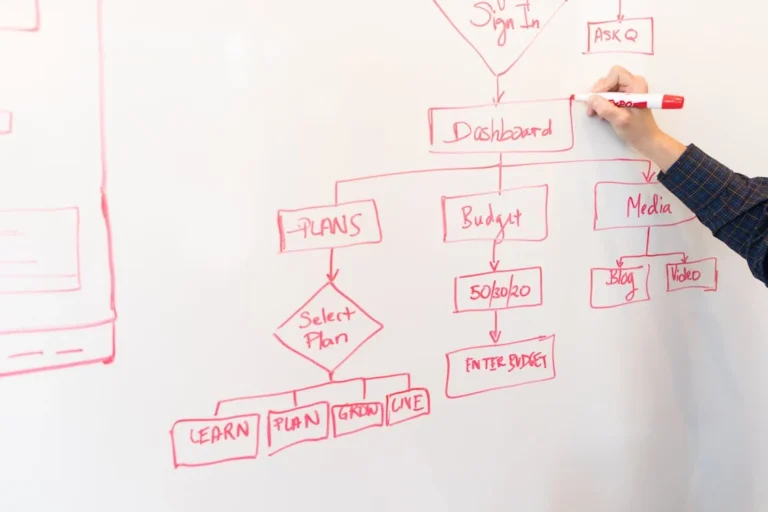
Business process automation software can simplify and expedite processes, reduce manual effort, and drive consistency across your organization. But with so many business process automation software platforms and tools available on the market, business leaders often struggle with analysis paralysis.

How do you choose the best business process automation platforms for your unique business needs?

Start With a Needs Analysis

Too often, business leaders purchase software based on what they think they want or what their competitors are doing, rather than based on what they actually need. It’s much more effective to make business decisions from a needs standpoint, especially if you can do so proactively and objectively.

Long before you start shopping for specific business process automation tools, you should have a firm understanding of the types of platforms you’re looking for. What problems are you hoping to solve? What specific applications are you going to use this platform for? How is this going to improve your business profitability or the efficiency of your operations? And how do you know this? Of course, you’ll also need to consider your budget, as some tools may be outside your financial capabilities.

The more upfront homework you do in this category, the more effectively you’ll be able to make decisions with respect to your business process automation.

Evaluate the Market Broadly

The business process automation market is pretty huge. There are dozens, if not hundreds, of tools and platforms on the market to choose from, some of which serve extremely specific niches. Before you get bogged down in the details associated with any one tool, you should take a look at the market more broadly and get a general sense of what types of platforms are available.

Study Key Capabilities 

What are the key capabilities and features that you need the most in a business process automation platform? Which features would be nice to have, but are things you’re willing to compromise on? In the market, how many tools have the core features you need? Would you be willing to pay more for more advanced features, and how much would you be willing to spend for them?

Research the Development Team

When you begin looking at individual tools, always research the teams behind them. Business process automation is a similar concept no matter who’s behind the platform. However, different developers approach this solution with different philosophies and different objectives in mind. It pays to choose a platform developed by people who share your values, or at least your perspectives on business process automation.

Look at Reviews and Testimonials

Before purchasing, you should also look at reviews and testimonials, as well as other public indicators of the quality of this product. Do people seem happy with this piece of software? What do they have to say about it? Do they have any common complaints?

Learn About the Future Roadmap

Most software products have a specific road map document, which details the developers’ plans for how they’re going to improve or grow this tool in the future. Good developers stand by their products and have plans to continue supporting and expanding them for years to come.

Take It for a Test Drive

You might be impressed by a demo or a list of features, but you won’t know how this platform really feels to use until you try it for yourself. Fortunately, most business process automation platforms offer free trials, so you’ll have a chance to take it for a test drive.

Ask Lots of Questions

As you become better acquainted with business process automation platforms, start asking more detailed questions. This is an opportunity to dig deeper into the mechanics of the platform capabilities, but it’s also an opportunity to evaluate the potential support you might receive if you become a customer. Do these people answer your questions honestly and transparently? Do they seem like they’re always available for communication, or is it hard to get a hold of them?

Be Ready to Evolve

The business process automation landscape is rapidly advancing. To stay ahead, organizations must build for agility. That means choosing platforms that evolve with you—through regular updates, new capabilities, and the flexibility to scale alongside your business needs.

Choosing  the right business process automation platform isn’t exactly easy, especially with so many interesting and potentially effective solutions on the market. But with a clear strategy and forward-looking mindset, you’ll be well positioned to make a confident decision that supports smarter workflows, stronger performance, and long-term scalability.

How Straight Teeth Improve Your Overall Health (Beyond Just Looks!)

0

When many people think about straight teeth, the first thing that comes to mind is aesthetic appeal. A straight, sparkling smile can undoubtedly boost one’s confidence and leave a lasting impression. However, straight teeth are about more than just appearances. Beyond enhancing your self-esteem, aligned teeth contribute significantly to your overall health in ways you might not expect.

From improving oral hygiene to reducing the risk of jaw pain and digestion problems, straight teeth can set the foundation for a healthier, happier you. This blog explores how achieving straighter teeth through orthodontic solutions can profoundly benefit various aspects of your physical well-being.

Straight Teeth and Oral Hygiene

One of the most immediate health benefits of straight teeth is how they make maintaining good oral hygiene significantly easier. Crooked or overcrowded teeth create tight spaces and uneven surfaces where plaque and bacteria can easily accumulate. These hidden spots make brushing and flossing difficult, increasing the risk of cavities, gum inflammation, and periodontal diseases.

Aligned teeth, on the other hand, offer smooth surfaces that are easier to clean. Proper brushing and flossing become much more effective, leading to healthier gums and cleaner teeth. Reducing plaque buildup doesn’t just lower your risk of gum disease but also minimizes the chances of systemic health issues linked to poor oral health, such as heart disease and diabetes.

Reducing Wear and Tear on Teeth

Misaligned teeth often lead to an uneven distribution of biting force. This can result in excessive wear and tear on certain teeth, causing them to chip, crack, or erode prematurely. Additionally, overbites, underbites, and crossbites can trigger teeth grinding or jaw clenching (also known as bruxism), leading to tooth sensitivity and pain.

Straightening your teeth ensures that your bite is properly aligned, distributing pressure evenly across your teeth. This proper alignment helps preserve your teeth, prevents unnecessary wear, and enhances their longevity.

Lowering the Risk of Jaw Pain and TMJ Disorders

Did you know that improperly aligned teeth can contribute to jaw problems and disorders of the temporomandibular joint (TMJ)? When your bite is misaligned, it places extra strain on the jaw muscles and joints, leading to discomfort, headaches, and even chronic pain.

TMJ disorders can make everyday activities like chewing, talking, or even yawning uncomfortable. Straight teeth and a properly aligned jaw reduce unnecessary stress on these joints, helping prevent discomfort and improving your ability to perform basic activities pain-free.

Enhanced Digestion

Chewing your food properly is the first and arguably most crucial step in the digestive process. Misaligned teeth, however, can make it difficult to break down food into smaller, easily digestible pieces. This incomplete chewing places additional strain on your stomach and reduces the efficiency of nutrient absorption.

With straight teeth, you’re able to chew your food more thoroughly and effectively. This ensures better digestion, prevents issues like bloating or acid reflux, and allows your body to absorb nutrients more efficiently.

Reducing the Risk of Dental Injuries

Protruding teeth, especially at the front of the mouth, are more vulnerable to injuries during falls, sports, or other accidents. Straightening these teeth can reduce the risk of chips, cracks, or fractures during unexpected incidents.

Orthodontic solutions that align and properly position your teeth help safeguard them from damage, offering an additional layer of protection for your smile.

Better Speech and Pronunciation

Misaligned or crooked teeth can sometimes interfere with clear speech. Certain sounds require the tongue, teeth, and roof of the mouth to work together seamlessly. Misalignments can cause lisps or other speech impediments, making communication challenging.

By correcting these issues, straight teeth can improve your ability to articulate words clearly and confidently.

Improving Sleep Quality

Surprisingly, the alignment of your teeth and jaw can even influence your sleep. Issues like jaw misalignment are linked to conditions such as bruxism (teeth grinding) and sleep apnea. Sleep apnea occurs when airflow is obstructed during sleep, often as a result of improper jaw positioning.

Correcting the alignment of your teeth and jaws can enhance your breathing patterns, reduce symptoms of sleep apnea, and ultimately improve the quality of your sleep. And better sleep equates to improved energy levels, focus, and overall health.

Boosting Self-Confidence and Mental Well-Being

While physical health benefits take center stage, it’s essential not to overlook the psychological perks of having straight teeth. A confident smile can positively affect your mental health by reducing social anxiety and reinforcing positive interactions with others. Feeling self-assured in your appearance can have ripple effects, improving both personal and professional relationships.

Taking the First Step Toward a Healthier You

Straight teeth are more than just a confidence booster—they are an investment in your overall well-being. From promoting better oral hygiene and improved digestion to protecting your teeth and reducing stress on your jaw, the benefits are overwhelmingly clear.

If you’re considering straightening your teeth, there are numerous orthodontic solutions to explore, such as aligners, braces, or retainers. Each solution is designed to address a wide array of alignment issues while ensuring your long-term health.

Your smile is one of your most valuable assets. But beyond just being a beautiful accessory, it holds the key to better health, improved confidence, and a brighter future. Don’t just imagine a healthier you—take action and make it happen today!