Home Blog Page 18

How to Prevent Fraud In Your Finance Agreements

0

When it comes to car buying, you likely remember the experience – whether it was very good or very bad. 54% of customers prefer a positive dealership experience over the lowest price that they’re offered. This is all the more important considering the financial situation of consumers. Current auto industry trends show that the total outstanding balances for auto loans and leases have reached $1.7 trillion, which is 2.3% higher than last year. Of this, auto loans and leases mark 35.9% of this sum total.

With consumer debt ballooning, so are auto delinquencies. Auto delinquencies are classified as any payment past due for over 60 days. As of November 2024, 1.5% of all auto loans and leases are considered delinquent. However, when synthetic IDs (Syn IDs) are introduced, things get much more complicated.

Applicants who utilize a Syn ID have a much higher delinquency rate, between 3 and 5 times more. On top of that, the fraud via Syn ID has equated to around $7.9 billion in losses. So how do you protect against it? Companies like Equifax offer cutting-edge technology to get to know your prospective applicants better. With buying power insights and other financial metrics, you can stop fraud in your dealership before it happens. Regardless of what kind of dealership you are in, Equifax is the perfect tool to deter fraud in your finance agreements.

<ahref=”https://www.equifax.com/newsroom/all-news/-/story/infographic-emerging-opportunities-for-the-auto-industry-in-2025″>Auto Insights for 2025. State of the Auto Industry

Protecting Vulnerable Workers with Drug Testing Laws

0

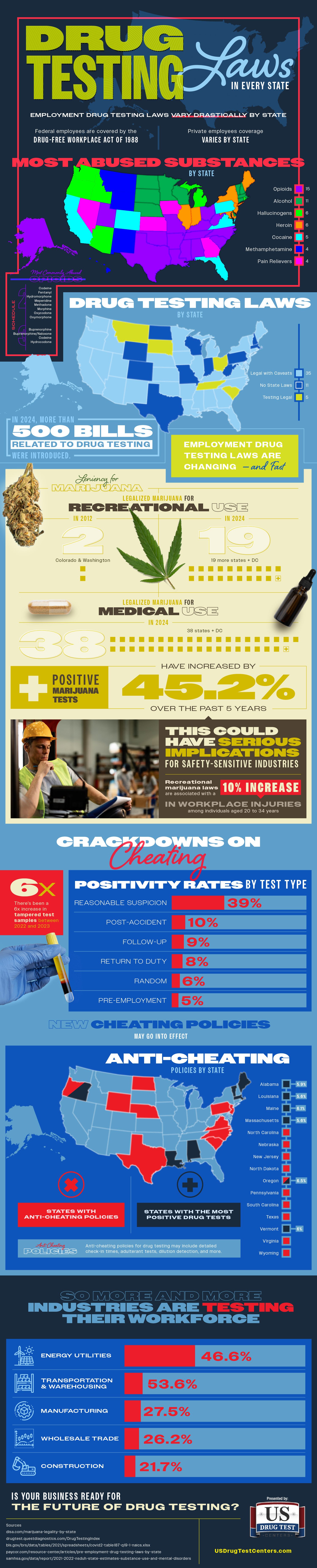
In the United States, drug use laws have become more lenient following the legalization of marijuana both recreationally and medically in many states. With this comes a need for drug testing laws. However, only five states currently have laws in place legalizing the practice. Despite hundreds of new bills being introduced on the topic in the past year, there is still an urgent need for legislation that will keep vulnerable populations safe.

Over the past 5 years, there has been a 45.2% increase in positive marijuana tests, which experts say could have serious implications for those working in safety-sensitive industries. With recreational marijuana laws associated with an increase in workplace injuries, both state and industry leaders are working on putting employee drug testing policies into motion.

Ten US states already have measures in place to crack down on drug test tampering. Additionally, affected industries like transportation, manufacturing, and energy are spearheading the movement of regularly testing employees. This practice ensures safety and sobriety while on the job while remaining compliant with state and local legislation surrounding drug use. Although it is predicted that laws regulating drugs in the US will continue to become more lenient, with employee drug testing measures in place, leaders can ensure the safety of those who are most vulnerable.

Drug Testing Laws in Every State
Source: USDrugTestCenters.com

The Link Between Oral Health and Sleep: How Your Dentist Can Help with Snoring and Sleep Apnea

0

When imagining the role of a dentist, most people think of clean teeth, cavity fillings, or whitening treatments. However, the scope of dental care goes far beyond oral hygiene. Increasingly, sleep disorders like snoring and sleep apnea are finding a surprising ally in dentistry. Many dental professionals are trained and equipped to identify, manage, and even treat certain sleep-related breathing disorders.

But what exactly is the connection between your oral health and sleep, and how can your dentist play a role in improving your sleep quality? Let’s take a closer look.

Understanding Snoring and Sleep Apnea

Snoring and sleep apnea are common conditions that affect millions of adults worldwide, though many cases often go undiagnosed.

What Causes Snoring?

Snoring occurs when air flows through partly blocked airways, causing the tissues in your throat to vibrate. For some, snoring is a harmless annoyance; for others, it can signify an underlying health issue, such as obstructive sleep apnea (OSA).

What is Sleep Apnea?

Sleep apnea is a more severe condition in which the muscles in the throat relax excessively, leading to partial or complete airway blockages during sleep. When this happens, the body briefly wakes up repeatedly throughout the night to restore normal breathing. Unsurprisingly, these interruptions can lead to poor sleep quality, fatigue, and long-term health implications such as heart disease, stroke, and high blood pressure.

Signs of sleep apnea may include:

  • Persistent, loud snoring
  • Gasping or choking during sleep
  • Morning headaches
  • Daytime fatigue or drowsiness
  • Difficulty concentrating

For sleep apnea sufferers, effective treatment is essential not only for better sleep but also for overall health and well-being.

The Oral Health Connection to Sleep Disorders

Now that we understand snoring and sleep apnea, you may be wondering about the link between these conditions and oral health. Surprisingly, your mouth, jaw, and airway play crucial roles in your ability to breathe properly during sleep. This connection is where dentists have a unique opportunity to intervene.

Jaw and Mouth Structure

The structure of your jaw and positioning of your teeth can directly affect how well your airway functions while you sleep. For instance:

  • Narrow Palates and misaligned teeth can increase the likelihood of airway obstruction.
  • Tongue Positioning may interfere with airflow, particularly in individuals with larger tongues or smaller oral cavities.
  • Jaw Alignment irregularities, such as an overbite or underbite, may contribute to restricted airways.

Dentists are trained to recognize these structural factors and may recommend solutions to optimize your airway function.

Bruxism (Teeth Grinding)

Bruxism, or teeth grinding, is another oral health condition linked to sleep disorders. Some studies suggest that bruxism could be a response to breathing irregularities caused by sleep apnea. Addressing sleep apnea often alleviates this habit, protecting your teeth from damage.

How Dentists Can Help with Snoring and Sleep Apnea

Dentists have specific tools and expertise that can help address snoring and mild to moderate cases of sleep apnea. If you’re struggling with poor sleep, partnering with your dentist may provide the solutions you need.

Oral Appliance Therapy

One of the most common dental treatments for sleep-related disorders is oral appliance therapy. This involves custom-made devices designed to keep the airway open during sleep. These appliances reposition the jaw or hold the tongue in place to prevent airway blockages.

Benefits of oral appliances include:

  • Non-invasive and easy to use
  • Compact and portable, unlike traditional CPAP machines
  • Successfully reduces snoring and mild to moderate sleep apnea symptoms

These devices are typically custom-fitted to ensure comfort and effectiveness, making them a convenient option for many users.

Identifying Risk Factors

Dentists can often detect risk factors for sleep apnea during routine dental exams. For example, issues like a small jaw, crowded teeth, or the presence of bruxism can prompt your dentist to recommend further evaluation.

Some dentists even work closely with sleep specialists to ensure a comprehensive approach to diagnosis and treatment.

Guidance on Lifestyle Adjustments

While oral appliances are often effective, dentists may also provide lifestyle advice to support better breathing during sleep. These might include:

  • Losing weight to reduce excessive tissue around the airway
  • Sleeping on your side to prevent the tongue from blocking the airway
  • Avoiding alcohol, which can relax throat tissues
  • Maintaining good oral hygiene to minimize inflammation in the mouth and throat

By taking a holistic approach, dentists can address not only the dental aspects of sleep disorders but also help you adopt strategies for long-term improvement.

Why You Should Address Sleep Concerns Promptly

Ignoring snoring or signs of sleep apnea isn’t just a matter of sleepless nights; it’s a serious health concern that warrants attention. Untreated cases can lead to:

  • Daytime fatigue, which affects productivity and safety
  • Long-term cardiovascular problems
  • Mental health challenges, such as anxiety or depression
  • Declining oral health due to conditions like bruxism or dry mouth

Tips for Discussing Sleep Concerns with Your Dentist

Not sure how to bring up sleep concerns during your next dental appointment? Start by mentioning:

  • Any persistent snoring or sleep disruptions
  • Morning headaches, jaw pain, or dry mouth
  • A history of teeth grinding or clicking jaws
  • Chronic fatigue or trouble focusing

Your dentist may ask questions or recommend additional screening to understand the full scope of the issue. From there, they can guide you toward appropriate treatment solutions.

Better Sleep Begins With a Simple Step

While sleep apnea and chronic snoring might feel isolating at times, there are effective ways to address these challenges—and your dentist is ready to help. With a keen understanding of the connection between oral health and sleep, they can offer treatments, guidance, and referrals to improve your sleep quality and overall health.

If snoring or sleep apnea has been holding you back, consider scheduling a consultation with your dentist today. Together, you can explore options to achieve restful nights and vibrant mornings.


Special Needs Dentistry: Tips for a Comfortable and Stress-Free Visit

0

Dental visits can stir up anxiety for many people, but for individuals with special needs, this experience can feel even more overwhelming. Special needs dentistry provides personalized care that meets the unique requirements of individuals who face physical, developmental, or sensory challenges. It ensures a comfortable and supportive approach to oral health, making dental visits less stressful and more positive.

Whether the individual has autism, Down syndrome, cerebral palsy, or another condition, establishing a strong foundation of trust and comfort can make a world of difference. If you’re a parent or caregiver, creating a stress-free visit isn’t just about one appointment—it’s about building habits that support lifelong oral health.

Here are practical strategies to ensure every dental visit is as smooth as possible.

Understanding Special Needs

What Does “Special Needs” Mean in Dentistry?

Special needs dentistry addresses the personalized care needs of patients who may require extra support due to physical, behavioral, medical, or developmental challenges. The focus is on creating a safe environment and employing methods that help individuals feel at ease while receiving optimal dental treatment.

This type of care extends from patient-specific techniques to modifications in the clinic’s setup. It’s not about treating all special needs patients the same way but adapting to each person’s needs with empathy and preparation.

Common Conditions and Considerations

Different conditions call for unique considerations when planning a dental visit. Here are a few examples and the associated challenges dentists often address:

  • Autism Spectrum Disorder (ASD): Individuals on the spectrum may struggle with sensory overload from sounds, lights, or textures. Creating a calming, predictable experience is key.
  • Down Syndrome: Dental care may need to accommodate variations in anatomy, like smaller or differently shaped teeth, and address potential cardiovascular concerns that can accompany the condition.
  • Cerebral Palsy: Muscle control difficulties can make routine tasks, like maintaining an open mouth or holding still, more challenging. Proper positioning and adaptive tools are often required to ensure comfort and safety.
  • Sensory Processing Disorders: Intense sensitivity to touch or sound can make the dental environment overwhelming, necessitating specific adjustments to minimize distress.

By considering these factors, dentists and caregivers can work together to create a welcoming and supportive experience tailored to the individual. Compassion and preparation are at the heart of successful special needs dentistry.

Preparing for the Visit

Communicate Your Needs in Advance

The first step toward a successful dental visit is communication. Before the appointment, contact the dental office to discuss the individual’s needs. Share details about sensitivities, triggers, preferred communication styles, and any accommodations that might help. This preparation ensures the dental team understands how to provide the best possible care.

For example, if the individual struggles with bright lights or certain sounds, the team can adjust their environment to meet these needs. Similarly, if they use non-verbal communication or respond better to visual instructions, the dentist can prepare to adapt their approach accordingly. Planning fosters collaboration and builds confidence for all involved.

Use Dental Stories and Social Narratives

Familiarity can help ease anxiety, especially for individuals who thrive on routine. Use social narratives, picture books, or videos to introduce them to the dentist, the tools, and the procedures they might encounter.

For example, some dental offices create personalized picture books featuring photos of their staff, the waiting area, and the treatment rooms. These materials allow the patient to become more comfortable with what to expect, reducing the fear of the unknown. Through repetition, these stories can empower the individual and make the unfamiliar setting feel more predictable.

Practice at Home

You can also prepare by simulating dental procedures at home. Encourage the individual to practice brushing and flossing, opening their mouth wide, and sitting in a chair for short periods.

Using a toothbrush or dental mirror during these practice sessions helps build familiarity. You can even refer to these activities as “playing dentist” to make it feel fun. By practicing these behaviors, the person becomes better prepared to handle the tasks required during an actual appointment.

During the Visit

Create a Calm Atmosphere

An environment designed to reduce sensory overstimulation can make a significant difference during a dental visit. Here are a few ways to create a soothing space:

  • Request reduced noise in the office by using quiet areas or noise-canceling headphones.
  • Dim bright lights or bring sunglasses for the patient to wear.
  • Introduce calming tools, like weighted blankets or fidget devices, to help ease anxiety.

These adjustments can go a long way in helping an individual feel comfortable and secure during their appointment.

Take a Gentle, Gradual Approach

Dental procedures can feel intimidating, so it’s important to move at a gentle pace. Many dentists find success by breaking the appointment into smaller steps. For instance, the individual might start by sitting in the chair and getting used to the sensation of tilting back before the dentist introduces instruments.

Explaining each step in clear, simple terms can also alleviate anxiety. A phrase like “I’m going to count your teeth with this little mirror now” is easier to understand and less alarming than technical language. Allowing for breaks as needed helps avoid overwhelm and ensures the patient doesn’t feel rushed.

Leverage Positive Reinforcement

A little praise goes a long way. Celebrate small victories during the appointment, even if it’s something as simple as sitting in the chair for a minute or opening their mouth. Use encouraging language and offer rewards or incentives, like stickers or a small toy, to show appreciation for their effort.

Positive reinforcement not only makes the current visit more rewarding but also leaves them with a better impression of dental care, making future visits easier.

Make Accommodations

Many individuals with special needs benefit from simple yet effective accommodations. A few examples include:

  • Scheduling appointments at quieter times of the day.
  • Allowing the patient to bring comfort items, such as a favorite blanket or toy.
  • Considering sedation dentistry when recommended by the dental professional.

You can find additional tips and insights on special needs dentistry by exploring special needs dentistry.

Post-Visit Care

Review and Reflect

Once the appointment is over, take time to evaluate how things went. What worked well? Were there any challenges that need a different approach next time? By reviewing the experience together, you can refine your strategy and feel better prepared for future visits.

Offer Positive Feedback

After the visit, celebrate the individual’s courage and cooperation. Highlight their successes and express pride in their efforts. These affirmations contribute to a positive association with dental care and help establish trust over time.

Support Oral Hygiene at Home

Good oral hygiene starts at home. To make brushing easier, use adaptive tools, like toothbrushes with built-up handles or angled bristles. For flossing, consider alternatives like floss picks or interdental brushes.

Additionally, focus on maintaining a balanced diet with limited sugar intake to reduce the risk of cavities. The more consistent the oral care routine becomes, the easier dental visits will feel.

Choosing the Right Dental Professional

Look for Special Training

Dentists who specialize in treating patients with special needs have additional training and expertise. When choosing a provider, ask about their experience, certifications, and strategies for creating a supportive environment.

Evaluate Their Approach

It’s essential to observe how the dentist interacts with the patient. Look for signs of patience, warmth, and an evident commitment to making the experience as positive as possible. Their demeanor can set the tone for the visit and influence how comfortable the patient feels.

Consider the Environment

A well-equipped dental office enhances the experience for special needs patients. Features like wheelchair accessibility, sensory-friendly spaces, and private treatment rooms can make the visit feel safer and more accommodating.

Treating All Patients With Compassion

Dental care for individuals with special needs requires understanding, preparation, and compassion. With open communication, thoughtful planning, and the right dental professional, each appointment can be a positive experience.

By focusing on personalized care and building trust, you can help the individual in your life develop good oral health habits that last a lifetime. Every step you take to create a comfortable and supportive environment makes a meaningful difference.


7 Reasons to Book a Private Tour Service to See Local Sites

0

You’ve dreamed about your vacation for a long time. You want to do everything you can to make it meet your expectations. The best way to do this is to book a private tour service. These private tour guides will help you get the most out of your holiday.


1. Customized Itineraries


A private tour service can customize your plans to suit your needs. For example, if you’re a huge history buff, they’ll create a fact-filled, historic experience for you. They’ll make suggestions as to the best places to eat according to your tastes. If you’re bringing along your children, they’ll be sure to include family-friendly sites and attractions in your itinerary.


2. Local Insight


Your private tour service will bring attention to details that the average tourist can easily miss. They’ll bring to life a place you might have walked right past if touring on your own. They’ll even point out the religious, cultural, and historical significance of everything you see.


3. A Unique Experience


Not everyone likes to see the same things. When you’re part of a large group, the information you get and the sights you see are generalized. They’re trying to please the masses. As a result, they may only touch on the topics and places you’re interested in. A private tour service gets to know you, which means your experience will be much more enjoyable.


4. Flexibility


A private tour service can make suggestions during your trip that will add to your fun. These may be things you didn’t originally plan to do, but after the fact, you’ll be glad you did. You won’t find a guidebook or audio guide that can provide this personal touch.


5. Save Time


A private tour service will emphasize the must-see sights and experiences. They’ll help you avoid wasting time at places and adventures that you can find back home. They also know the quickest way to get from one place to another. A lot of time can be lost trying to navigate a new area.


6. Knowledge


Even if you pour over the guidebooks and do your online research, you’ll never know as much about your vacation destination as the locals do. A private tour service will connect you with a local guide who’ll take you to the residents’ favorite hot spots. This allows you to get a true feel for the area you’re visiting.


Since your guide is local, they’ll be able to answer all of your questions. If not, they’ll know where you can find the information you’re looking for. They’ll also be able to explain the customs of the people and how they’re different from where you live.


7. A Hassle-Free Vacation


A private tour service can help you with making reservations, getting tickets, and finding the operating hours of area attractions. They’ll let you know where you’ll find the best prices and times to see certain attractions and provide you with tips on how to make the most of your visit.


If you’re investing time and money into your vacation, make sure to book local tour guides so you can see the most of the area.

How Business Consultants Help Companies Stay Competitive

0

Staying competitive is a constant challenge in the business field. Companies face pressures from changing market trends, technological advancements, and evolving consumer expectations.

To maintain a strong position, businesses must continuously adapt, optimize operations, and innovate. Business consultants are crucial in helping companies navigate these challenges and stay ahead of the competition.

The Role of Business Consultants in Competitive Strategy

A business consultant advises companies looking to improve efficiency, profitability, and market positioning. They analyze current business models, identify weaknesses, and develop strategies that align with industry trends. Many businesses struggle with outdated processes, ineffective marketing, or operational inefficiencies. Consultants step in to refine these areas and create a roadmap for long-term success.

One of the key advantages of hiring a consultant is their ability to provide an external perspective. Business owners and managers often become too focused on daily operations to recognize emerging opportunities or threats. With premium consulting solutions, a consultant offers fresh insights, helping companies make informed decisions that strengthen their competitive edge.

Identifying Market Trends and Consumer Behavior

Understanding market trends is essential for staying competitive. Businesses that fail to recognize industry shifts risk losing customers to competitors who offer better products, services, or pricing. Business consultants conduct thorough market research, analyzing consumer behavior, competitor strategies, and industry changes.

By studying customer preferences, consultants help businesses tailor their offerings to meet demand. It could involve refining products, adjusting pricing strategies, or enhancing customer service. With market insights, an efficient business consultant assists in identifying new target markets, enabling businesses to expand their reach and attract a broader audience.

Improving Operational Efficiency

Operational inefficiencies can slow down a business and increase costs, making it difficult to compete effectively. Many companies struggle with inefficient workflows, outdated technology, or poorly structured teams. Business consultants specialize in streamlining operations, improving productivity, and reducing waste.

Advisors achieve this by implementing automation and business consultant digital solutions. Many businesses continue to rely on manual processes that consume time and resources. Consultants introduce technology-driven tools that enhance efficiency, reduce human error, and optimize overall performance. Whether it’s cloud-based management systems, customer relationship software, or automated financial reporting, digital solutions help businesses stay competitive in a rapidly evolving market.

Strengthening Brand Positioning and Marketing Strategies

Brand perception plays a major role in a company’s ability to compete. Businesses with strong branding and effective marketing strategies attract more customers and retain them longer. Business consultants help companies refine their brand messaging, improve visibility, and create marketing campaigns that drive engagement.

In the digital era, online presence is crucial. Many businesses struggle to establish themselves digitally, leading to missed opportunities. Consultants guide companies in leveraging digital marketing, search engine optimization (SEO), and social media strategies. They ensure businesses rank higher on search engines, engage effectively with audiences, and convert leads into customers.

Consultants also refine advertising strategies to maximize return on investment (ROI). Many companies waste money on ineffective marketing campaigns that do not generate results. A consultant analyzes past performance, identifies areas of improvement, and recommends data-driven strategies that increase conversion rates and brand awareness.

Enhancing Customer Experience and Loyalty

A business is only as strong as its customer base. Companies that fail to meet customer expectations often struggle to stay competitive. Business consultants focus on improving customer satisfaction, loyalty, and retention.

They assess current customer service practices and recommend enhancements that improve interactions. It could involve faster response times, personalized experiences, or better communication strategies. A satisfied customer is more likely to return and recommend a business to others, giving the company a competitive advantage.

Consultants also help businesses implement feedback mechanisms. Understanding customers’ thoughts about a product or service allows companies to make necessary improvements. Whether through surveys, reviews, or direct engagement, gathering customer insights ensures businesses stay aligned with market demands.

Adapting to Industry Changes and Innovations

Industries constantly evolve, and businesses that fail to adapt risk falling behind. Whether it’s new regulations, technological advancements, or shifting consumer preferences, staying competitive requires continuous innovation. A Business consultant helps companies to embrace change and implement forward-thinking strategies.

Consultants keep businesses informed about industry disruptions and emerging technologies. They recommend integrating these innovations into existing processes, ensuring businesses remain relevant. Whether it’s artificial intelligence, automation, or sustainable practices, adapting to change allows companies to gain a competitive advantage.

Another important aspect is risk management. Every business faces uncertainties, from economic downturns to supply chain disruptions. Consultants help companies develop contingency plans, ensuring they are prepared for unexpected challenges. Businesses that adapt quickly to changes maintain stability and outperform competitors who struggle to respond.

Conclusion

Staying competitive in today’s business world requires more than offering quality products or services. Companies must continuously refine their strategies, improve efficiency, and adapt to market changes. Business consultants are vital elements in helping businesses navigate these challenges and maintain a strong market position.

By identifying industry trends, optimizing operations, enhancing customer experiences, and driving innovation, consultants provide businesses with the tools they need to thrive. Investing in expert guidance ensures long-term success, making business consulting an essential resource for any company looking to stay ahead of the competition.

The Food Industry: Trends, Challenges, and Opportunities

0

The food industry is one of the most dynamic and essential sectors in the global economy. From farm-to-table movements to innovative food technology, the way we produce, consume, and think about food is constantly evolving. The industry is influenced by consumer preferences, technological advancements, and sustainability concerns. Whether you’re a food entrepreneur, restaurant owner, or simply passionate about the culinary world, understanding the latest trends and challenges can help you navigate this exciting niche.

The Evolution of the Food Industry

Food has always been a fundamental part of human life, but the way we experience it has changed dramatically over time. In the past, food production was primarily local, with people relying on fresh, seasonal ingredients. However, globalization has transformed the industry, making exotic ingredients and international cuisines more accessible than ever. Ncespro explores the evolving world of food, from traditional cooking methods to modern culinary trends.

Technology has also played a crucial role in food evolution. From the rise of food delivery apps to the increasing popularity of plant-based alternatives, innovation continues to shape the way we eat. Consumers are now more informed and selective about what they consume, leading to new food trends and business opportunities.

Current Food Trends Shaping the Industry

The food industry is highly influenced by consumer behavior. In recent years, several key trends have emerged:

  1. Plant-Based and Alternative Proteins
    The demand for plant-based diets is skyrocketing, driven by health concerns, environmental awareness, and ethical considerations. Brands like Beyond Meat and Impossible Foods have revolutionized the market by creating plant-based alternatives that mimic the taste and texture of real meat. similartimes.com explores the rise of plant-based diets and their impact on the food industry.
  2. Sustainable and Ethical Eating
    Consumers are now looking for eco-friendly and ethically sourced food products. Many restaurants and food companies are focusing on sustainable packaging, organic farming, and reducing food waste to align with these values.
  3. Health-Conscious Eating
    With increasing awareness of nutrition and wellness, people are seeking healthier food options. Superfoods, low-carb diets, and functional foods enriched with vitamins and probiotics are gaining popularity.
  4. Food Delivery and Ghost Kitchens
    The convenience of online food delivery has transformed the industry. Ghost kitchens—delivery-only restaurants with no physical dining space—are on the rise, reducing overhead costs and increasing efficiency.
  5. Fusion Cuisine and Experimentation
    Globalization has encouraged the blending of different culinary traditions. Dishes that mix flavors from different cultures, like sushi burritos or Korean tacos, are becoming mainstream, offering consumers new and exciting flavors.

Challenges in the Food Industry

While the food industry is full of opportunities, it also faces significant challenges. Understanding these obstacles is crucial for businesses looking to succeed in the competitive market.

  1. Supply Chain Disruptions
    Global events, such as pandemics and climate change, have disrupted food supply chains, leading to shortages and increased prices for essential ingredients. Businesses must adopt flexible sourcing strategies to remain resilient. alternativestimes.com explores the challenges and solutions in the evolving global food supply chain.
  2. Health and Safety Regulations
    The food industry is heavily regulated to ensure consumer safety. Restaurants and food manufacturers must comply with strict health codes, which can be costly and time-consuming.
  3. Competition and Market Saturation
    With thousands of new food businesses launching every year, competition is fierce. Standing out in a crowded market requires unique branding, quality products, and effective marketing strategies.
  4. Rising Costs and Inflation
    The cost of ingredients, labor, and rent continues to rise, affecting profit margins for food businesses. Adopting efficient operations and smart pricing strategies can help businesses stay profitable.
  5. Changing Consumer Preferences
    Consumer preferences are constantly evolving. Food businesses must stay ahead of trends and continuously innovate to meet changing demands.

Opportunities for Entrepreneurs in the Food Industry

Despite its challenges, the food industry offers numerous opportunities for entrepreneurs. Here are some promising business ideas:

  1. Health-Focused Food Startups
    With increasing awareness of healthy eating, launching a business focused on organic, gluten-free, or keto-friendly foods can attract a dedicated customer base.
  2. Food Blogging and Influencing
    Social media has given rise to food influencers who share recipes, reviews, and culinary experiences. Building a strong online presence can lead to brand collaborations and monetization opportunities. maliamanocherian.net explores the impact of social media on the food industry and the rise of digital culinary influencers.
  3. Specialty and Artisanal Foods
    Consumers appreciate high-quality, handcrafted products. Starting a business in homemade sauces, artisanal bread, or gourmet chocolates can be highly profitable.
  4. Catering and Meal Prep Services
    Many people are looking for convenient yet healthy meal options. Meal prep businesses that offer fresh, pre-packaged meals can cater to busy professionals and fitness enthusiasts.
  5. Food Tech Innovations
    Entrepreneurs with a passion for technology can explore opportunities in food automation, AI-powered nutrition apps, or lab-grown meat production.

The Future of the Food Industry

Looking ahead, the food industry will continue to be shaped by technology, sustainability, and evolving consumer preferences. Some emerging trends that could define the future of food include:

  • 3D-Printed Food: Innovations in food printing technology could revolutionize the way meals are prepared and customized.
  • Lab-Grown Meat: Cellular agriculture is gaining attention as a sustainable alternative to traditional meat production.
  • Personalized Nutrition: AI and genetic testing could help create diet plans tailored to an individual’s health needs.
  • Waste Reduction Strategies: Businesses are developing solutions to tackle food waste, such as upcycled ingredients and biodegradable packaging.

As the industry evolves, adaptability will be key for businesses and consumers alike. By staying informed about trends and challenges, entrepreneurs can create successful ventures that meet the needs of modern consumers. wheon explores industry trends and insights to help businesses stay ahead in the ever-changing market.

Conclusion

The food industry is a dynamic and ever-evolving space filled with opportunities for those willing to innovate. From sustainable dining to digital transformation, numerous factors are shaping how we experience food. While challenges like competition and rising costs exist, businesses that embrace change and prioritize quality will thrive. Whether you’re looking to start a food business, explore culinary trends, or simply enjoy great food, the future of the industry promises excitement and endless possibilities.

Double-Breasted Suits: A Timeless Icon of Style and Sophistication

0
The double-breasted suit is one of the most distinctive and elegant styles in men’s tailoring. With its structured silhouette, overlapping front panels, and signature peak lapels, it exudes power, confidence, and classic refinement. Once a staple of early 20th-century menswear, the double-breasted suit has experienced a resurgence in recent years, favoured by modern gentlemen looking to channel both vintage charm and contemporary sophistication. From its origins in military dress to its presence on the silver screen, this suit style has stood the test of time, evolving while remaining synonymous with authority and elegance. Whether worn in business settings, formal occasions, or as a bold statement piece, the double-breasted suit continues to define sharp dressing.
 

What Is a Double-Breasted Suit?

A double-breasted suit differs from a single-breasted suit in its construction. Instead of a single row of buttons, it features two parallel rows, with overlapping fabric at the front. The jacket fastens with one or two functional buttons, while additional buttons are purely decorative.

Typically, double breasted suits have peak lapels, a feature that enhances the strong, structured look of the jacket. The cut is designed to broaden the shoulders and slim the waist, giving the wearer a commanding yet refined appearance. Although traditionally associated with formality, modern tailoring has introduced variations that make the double-breasted suit more versatile than ever.

A Brief History of the Double-Breasted Suit

The double-breasted jacket can trace its roots to military uniforms and naval dress coats of the 19th century. The overlapping front panels provided warmth and protection, while the symmetrical design created a sense of balance and authority. The style was later adopted into civilian fashion, particularly in the early 20th century, when it became a signature of well-dressed men in both business and social settings.

By the 1930s and 1940s, double-breasted suits had become a staple of menswear, worn by Hollywood icons, politicians, and aristocrats alike. The post-war years saw a decline in popularity, as single-breasted suits became the standard for business attire. However, the 1980s brought a revival, with power dressing trends making the strong silhouette of the double-breasted suit highly desirable once again.

Today, the style has evolved with slimmer cuts, softer shoulders, and more relaxed fabric choices, making it an ideal option for modern tailoring enthusiasts.

Why Is the Double-Breasted Suit So Popular?

The enduring appeal of the double breasted suit lies in its ability to command attention while maintaining an air of effortless sophistication. Its sharp, structured shape naturally enhances the wearer’s posture, creating a bold yet refined look. Unlike single-breasted suits, which can sometimes feel understated, the double-breasted design always makes a statement.

Fashion-conscious men appreciate its ability to bridge the gap between classic elegance and contemporary style. Modern versions often feature a more tailored fit, lightweight fabrics, and a softer construction, making them just as suitable for casual or semi-formal occasions as they are for traditional business or evening wear.

Another reason for its resurgence is its versatility. While often associated with formalwear, double-breasted jackets can also be styled with smart trousers or even dressed down with jeans and loafers for a relaxed, sophisticated look.

Double-Breasted Suits in Film and Television

Few menswear pieces have had as much of a presence in film and television as the double-breasted suit. Worn by some of the most iconic characters in cinematic history, it has become a symbol of power, mystery, and charisma.

One of the most famous examples is Michael Corleone in The Godfather series, where the double-breasted suit reinforces his status as a formidable yet impeccably stylish mafia boss. Likewise, James Bond has worn the style on multiple occasions, from Sean Connery’s classic cuts to Daniel Craig’s contemporary takes on the look.

The 1980s and 1990s saw the suit become synonymous with corporate power, as seen in films like Wall Street, where Gordon Gekko’s sharp double-breasted suits symbolise wealth and ambition. More recently, the style has made its way into popular TV series like Peaky Blinders, with Tommy Shelby’s tailored double-breasted coats adding to his commanding presence.

How to Wear a Double-Breasted Suit Today

Modern tailoring has reinvented the double-breasted suit, making it accessible for a variety of occasions. Today’s versions are more streamlined, featuring slimmer cuts and lighter fabrics that allow for greater flexibility in styling.

For formal events, a navy or charcoal double-breasted suit paired with a crisp white shirt and silk tie is a fail-safe choice. If you’re looking for a contemporary business look, opt for a subtle check pattern or lighter shades like grey or beige, which offer a modern take on traditional tailoring.

For a more relaxed approach, an unstructured double-breasted blazer in linen or soft wool can be worn over a fine-knit turtleneck or an open-collar shirt, paired with tailored trousers or dark denim. Footwear choices such as polished Oxfords, loafers, or even suede Chelsea boots can further define the overall aesthetic.

930 McCarter Highway Tops Out: Newark New Jersey’s Riverfront Transformation Reaches New Heights

0

Newark’s skyline evolution continues as the 25-story mixed-use tower at 930 McCarter Highway in New Jersey reaches its full height, marking a significant milestone in the city’s increasingly trendy downtown district.

Key Highlights:

  • 25-story residential tower has topped out at 289 feet
  • Project will deliver 333 apartments (20% affordable) and ground-floor retail
  • Cornerstone of Newark’s vibrant riverfront revival and urban renaissance

The transformation of Newark’s Passaic riverfront took a major step forward this month as the 25-story tower at 930 McCarter Highway officially topped out at its full height of 289 feet. The mixed-income residential project, developed by Boraie Development, represents one of the most significant additions to Newark’s evolving skyline in recent years.

Milestone in Newark’s Urban Renaissance

The 930 McCarter Highway project, which broke ground in mid-2024, has quickly risen to become a prominent fixture on Newark’s increasingly desirable waterfront. The L-shaped glass tower, designed by MHS Architects, reached its structural completion in February 2025, with construction crews now focused on facade installation and interior work ahead of a planned 2026 opening.

The topping out ceremony marks a significant achievement for Newark’s riverfront district, transforming what was once a vacant lot into a vibrant, transit-connected community that will house hundreds of residents while activating the Passaic waterfront.

Newark’s Strategic Growth Vision

The 930 McCarter Highway project exemplifies Newark’s strategic approach to urban development. The city has prioritized transit-oriented, mixed-income projects that enhance Newark’s growing reputation as an affordable alternative to other high-priced urban centers. This development aligns perfectly with the city’s vision for activating the Passaic riverfront with modern residential options.

As part of the project plan, 68 of the 333 planned apartments (approximately 20%) will be designated as affordable housing units. This mixed-income approach aligns with Newark’s vision for inclusive growth as the city continues its upward trajectory.

Historical Context: From Industrial Hub to Urban Revival

Newark’s current transformation represents a profound evolution from its industrial past. Once a manufacturing powerhouse, the city experienced economic challenges in the mid-20th century as industries declined. The riverfront areas, once dominated by factories and shipping facilities, fell into disuse as the manufacturing economy shifted.

The 930 McCarter Highway site itself reflects this transition. For decades, the waterfront property remained underutilized, representing untapped potential along the Passaic River. The River Public Access & Redevelopment Plan, established to reclaim these valuable waterfront areas, signaled Newark’s commitment to reconnecting residents with the river that once defined the city’s economy.

The 1.1-acre parcel at 930 McCarter Highway exemplifies this vision of reclaiming industrial spaces for modern urban living. The project’s design consciously embraces the waterfront, with the building’s orientation maximizing river views while ensuring public access to the shoreline—a stark contrast to the industrial era when the riverfront was primarily reserved for commercial operations.

Transit-Oriented Living in Trendy Downtown Newark

Located within the River Public Access & Redevelopment Plan area, 930 McCarter Highway is strategically positioned within Newark’s increasingly hip downtown district. The site sits just steps from the NJPAC/Center Street light rail station and within a short walk of Newark Penn Station, offering direct access to Manhattan via PATH trains, as well as regional connections through NJ Transit and Amtrak.

This transit-rich location makes 930 McCarter particularly attractive to young professionals and creatives seeking modern living spaces with New York City accessibility at more competitive price points than comparable options in Jersey City or Hoboken.

Architectural Innovation and Sustainability

The tower’s design by MHS Architects incorporates contemporary elements while respecting Newark’s architectural heritage. The glass façade provides expansive views of the Passaic River and the Manhattan skyline, while the building’s L-shaped configuration creates varied perspectives from different vantage points across the city.

The 289-foot structure implements numerous sustainability features, including energy-efficient systems, water conservation measures, and the use of environmentally responsible building materials. These elements align with Newark’s broader goals for environmentally conscious urban development.

Interior spaces have been designed with a focus on natural light, open floor plans, and flexible living arrangements that appeal to today’s urban residents. Common areas will feature collaborative spaces, reflecting the growing trend toward community-oriented residential developments where residents can work, socialize, and relax without leaving their building.

Amenities and Mixed-Use Vision

When completed in 2026, the high-rise will feature:

  • 333 residential units ranging from studios to two-bedroom apartments
  • Approximately 3,750 square feet of ground-floor retail space
  • A four-level parking structure with 240 spaces
  • Integration with the expanded Riverfront Park, including public waterfront access

The development reserves a portion of the 1.1-acre site for the extension of Riverfront Park, creating additional green space and public riverfront access – a key component of Newark’s broader waterfront revitalization strategy that’s drawing increasing attention from urbanites throughout the region.

Economic Impact and Job Creation

Beyond its physical presence, the 930 McCarter Highway project represents significant economic investment in Newark. The construction phase alone has generated hundreds of jobs, with many positions filled by local residents. Once completed, the building will create permanent employment opportunities in property management, maintenance, security, and retail operations.

The project’s economic ripple effects extend beyond direct employment. New residents will support local businesses, restaurants, and services, contributing to Newark’s expanding tax base. The mixed-income approach ensures that this economic activity benefits a diverse range of residents, supporting Newark’s inclusive growth model.

Local businesses anticipate increased foot traffic and consumer spending as the development fills with residents. Several entrepreneurs have already begun exploring retail concepts for the surrounding blocks, recognizing the potential of this emerging neighborhood.

Part of Newark’s Buzzing Development Scene

The 930 McCarter project is part of an unprecedented wave of development transforming downtown Newark into one of New Jersey’s most exciting urban destinations. Nearby, the New Jersey Performing Arts Center is undertaking a $336 million campus expansion that will create an arts district with 350 residential units and cultural venues. Other luxury residential towers are also rising in the area, with several recently completed projects adding hundreds of upscale apartments to the downtown market.

These developments are creating a more vibrant, 24/7 neighborhood in downtown Newark, with residential density supporting new retail, dining, and cultural amenities. Market indicators strongly support this growth trajectory, with downtown Newark’s residential occupancy rates consistently above 95% and retail occupancy reaching 91.4% in early 2024.

Cultural Renaissance and Community Integration

Newark’s revitalization extends beyond physical structures to include a cultural renaissance that celebrates the city’s diverse heritage and creative energy. The 930 McCarter Highway development sits near several of Newark’s premier cultural institutions, including the New Jersey Performing Arts Center, Newark Museum of Art, and the Newark Public Library.

These cultural anchors provide residents with access to world-class performances, exhibitions, and educational opportunities. The proximity of 930 McCarter to these institutions creates natural synergies between residential living and cultural engagement, fostering a community where the arts play a central role in daily life.

Community programming at Riverfront Park further enhances this cultural dimension, with seasonal events, outdoor performances, and recreational activities that bring together residents from across Newark’s diverse neighborhoods. The park extension incorporated into the 930 McCarter development will expand these opportunities, creating new venues for community gathering and celebration.

Looking Ahead

As construction at 930 McCarter Highway advances toward completion, attention now turns to finalizing the building’s exterior glass facade and completing interior finishes. Boraie Development reports that leasing is expected to begin in early 2026, with residents moving in later that year.

The influx of new residents will further catalyze retail growth and neighborhood amenities in the surrounding area, continuing Newark’s evolution into a premier urban destination within the New York metropolitan region. With average market-rate rents around $2,200 per month – significantly lower than Manhattan, Brooklyn, and even Jersey City – Newark offers an increasingly attractive value proposition for urban dwellers seeking modern amenities and transit connectivity.

The 930 McCarter Highway development exemplifies the high-quality, mixed-income housing that is reshaping Newark’s downtown. By combining market-rate and affordable housing with public waterfront access and transit connectivity, this project represents the forward-thinking urban planning that is making Newark one of the region’s most promising growth markets.

About Newark’s Renaissance: Newark is experiencing unprecedented growth as developers and residents alike discover the city’s unique combination of historic architecture, cultural institutions, transit connectivity, and relative affordability. The downtown district has seen over $4 billion in development in recent years, transforming the area into a vibrant, diverse community attracting young professionals, artists, and entrepreneurs.


Optimizing the Insurance Auditing Process

0

Businesses are audited to ensure the insurance premiums they pay are appropriately representing the risk they face. The audit is usually carried out once a year following the expiration of a policy. This process examines documents such as cash disbursements, tax records at the state and federal level, and payroll information. Carried out via email, phone, or online it is overseen by the auditor. 

After gathering and reviewing all information, auditors issue a final statement. This confirms whether the company has to pay a bill or be issued a credit. Businesses receive extra premium bills if the initial estimates of their premium rates are too low. If they are too high, they receive checks or credits as a refund. Inaccurate estimates are unfortunately a very common occurrence. In fact, 25-50% of business owners may have been overcharged for their insurance at some point. 

Artificial intelligence (AI) technology is increasingly used to help auditors increase the accuracy and efficiency of their insurance premium auditing process. AI is able to help forecast premium trends, improve data accuracy, and find anomalies by using predictive analytics. It is also able to expedite communication across different platform types, including video conferences, phone calls, auto paper mailings, and web-based portals.

Insurance Premium Auditing