Home Blog Page 42

7 Ways to Add Your Own Touch to a New Construction House

0

Everyone wants some personal touches in their home. After all, the whole reason you’re building a new home in the first place is to make it exactly what you want it to be. Sometimes that’s easier said than done, though, so here are seven ideas that will help you add some of yourself to your home.

1- Capture Meaningful Colors

There are always plenty of trendy colors available when it comes time to paint your home, but the house will be more of a home with some colors that carry significance for you. They could be from your alma mater, a previous home, or just a favorite hue. Whatever shades you choose, they’ll connect you to your new home.

2- Utilize Repurposed Materials

Sometimes we end up with access to materials from a previous home as a result of renovations or repairs. An old window can make a perfect frame for a photo collage. You might also reuse old light fixtures, doorknobs, or other familiar items to maintain a connection to your past.

3- Create Memento Spaces

Decorating with treasured items will make your house feel more your own. Your unique keepsakes can all have a place in your new home as long as you include them in the plans. A builder who emphasizes personal choice will understand why these features are so important and help you make them a reality.

4- Incorporate Your Geographic History

We’re a mobile society, and you may have lived in several very different places by the time you build a new home. You can keep a little bit of each address in your new home by decorating in a way that recalls those areas. You could even involve the countries where your family traces its roots.

5- Retain What You’ve Loved Elsewhere

Don’t let moving day be the end of some of your favorite home features. Make sure you discuss with your builder the things that you’ve enjoyed in your previous residences so that you can capture some of them in the new setting.

6- Highlight Your Customs

If your family stays on the go and just does quick meals at home, a simple eating area will be just right for you. If you’re frequently the host of big get-togethers of family and friends, make sure your floor plan allows for those events. Your team can help you identify a floor plan that’s just right for your lifestyle.

7- Leave Nothing Generic!

When there are lots of decisions to be made about your home, it can be easy just to make some selections with middle-of-the-road options. Resist the temptation to go with the standard options and invest the time it takes to make it look like your home, not just a home.

No matter your stage of life, you want your home to be uniquely yours and reflect your personality and style choices. Make sure that your builder works with you to get things exactly the way you want them in a new construction home. Your home should be a reflection of your lifestyle and preferences, whether you’re a first-time homeowner or looking to customize your forever home.

RV Security 101: Tips for Keeping Your Home on Wheels Safe

0

Recreational vehicles (RVs) are more than just a mode of transportation; they are a home away from home, providing the freedom to explore the open road and enjoy adventures in comfort. However, just like any home, RVs are not immune to security concerns. Whether you’re a full-time RVer or enjoy occasional trips, ensuring the safety and security of your RV is paramount. In this comprehensive guide, we will explore essential RV security tips and measures to help you protect your home on wheels and enjoy peace of mind during your travels.

  1. Choose Safe Campground Locations

The first step in RV security is choosing safe and reputable campground locations. Research campgrounds in advance, read reviews, and inquire about security measures in place. Opt for well-lit, populated campgrounds with positive reputations for safety.

  1. Lock Doors and Windows

Always lock the doors and windows of your RV when you’re not inside. Use deadbolts and additional locks for added security. This simple practice can deter opportunistic thieves.

  1. Install an RV Security System

Consider installing an RV security system that includes motion sensors, door alarms, and window sensors. Modern RV security systems can be monitored remotely, providing real-time alerts and peace of mind.

  1. Secure Valuables

Keep your valuables out of sight and securely stored when you’re away from your RV. Use safes or lockable storage compartments inside the RV to protect important documents, electronics, and valuable items.

  1. Get to Know Your Neighbors

Building a sense of community at campgrounds can enhance security. Get to know your neighbors and keep an eye out for each other’s RVs. A watchful community can help deter potential problems.

  1. Invest in Quality Locks

Replace or upgrade your RV’s locks with high-quality, tamper-resistant locks. This includes locks for entry doors, storage compartments, and any other access points.

  1. Use Window Coverings

Close curtains or blinds when you’re not inside your RV to prevent potential burglars from peering inside and assessing the contents.

  1. Be Cautious with Strangers

While meeting new people on the road is part of the RV experience, exercise caution when interacting with strangers. Be discreet about your travel plans and personal information.

  1. Consider a Steering Wheel Lock

If you’re concerned about RV theft, consider using a steering wheel lock or other anti-theft devices when your RV is parked.

  1. Install Outdoor Lighting

Install motion-activated outdoor lighting around your RV to deter potential intruders. Well-lit surroundings can make your RV less appealing as a target.

  1. Know Local Emergency Numbers

Familiarize yourself with local emergency numbers and contact information for law enforcement, medical services, and campground management at your current location.

  1. Have a Communication Plan

Ensure you have a reliable means of communication while traveling. A cell phone with a strong signal or a satellite phone can be a lifeline in emergencies.

  1. Educate Yourself on Fire Safety

RVs come with their own set of fire safety concerns. Install smoke detectors and fire extinguishers, and have an evacuation plan in case of a fire emergency.

  1. Secure Your RV During Travel Stops

When making stops during your journey, take precautions to secure your RV. Lock it, close windows, and stow away valuable items out of sight.

  1. Regular Maintenance Checks

Regularly inspect your RV for any signs of wear or damage, including locks, windows, and doors. Address any issues promptly to maintain security.

  1. Update Emergency Equipment

Check and update your emergency equipment, including first aid kits, emergency tools, and flashlights, to ensure they are in good working condition.

  1. Educate Yourself on Local Laws

Familiarize yourself with the laws and regulations regarding RV travel and parking in the areas you plan to visit. Compliance can prevent unwanted legal issues.

  1. Keep Travel Plans Flexible

Having flexible travel plans allows you to adapt to changing circumstances, weather, or safety concerns. Being able to change your route or destination can enhance security.

  1. Practice Situational Awareness

Stay aware of your surroundings at all times. Practice situational awareness to recognize potential risks and respond proactively.

  1. Have a Security Plan in Place

Develop a security plan for your RV and family members or travel companions. Ensure everyone knows what to do in case of an emergency or security threat.

  1. Carry Personal Safety Items

Carry personal safety items like pepper spray, whistles, and flashlights for added protection.

  1. Secure the Propane System

If your RV uses propane, ensure the system is properly maintained and leak-free. Install propane gas detectors for added safety.

  1. Join RV Clubs

Consider joining RV clubs or associations that offer resources, support, and safety tips for RV enthusiasts. These groups can provide valuable information and a sense of community.

  1. Insure Your RV

Invest in comprehensive RV insurance that includes coverage for theft, accidents, and emergencies. Having insurance can provide financial protection and peace of mind.

  1. Stay Informed on Road Conditions

Stay updated on road conditions and weather forecasts. Knowing what to expect can help you plan safer routes and avoid potential hazards.

  1. Conduct Safety Drills

Periodically conduct safety drills with your travel companions, especially if you have children. Practice emergency procedures like fire drills and evacuation plans.

  1. Trust Your Instincts

Above all, trust your instincts. If a situation doesn’t feel right or safe, don’t hesitate to change course or seek assistance.

By following these RV security tips and maintaining vigilance, you can enjoy your RV adventures while ensuring the safety and security of your home on wheels. RV travel is all about exploring, relaxing, and creating lasting memories, and a secure and well-protected RV allows you to do just that with confidence. Click here for more details : https://www.a1autotransport.com/how-do-i-keep-my-rv-safe/

Tracking Your Vehicle During Transport

One of the key concerns for RV owners when shipping their vehicles is knowing the whereabouts of their cherished home on wheels throughout the transportation process. Fortunately, tracking your vehicle during transport has become increasingly accessible and reliable, providing peace of mind and enhancing the overall RV shipping experience.

  1. GPS-Based Tracking Systems

Many reputable RV transport companies offer GPS-based tracking systems as part of their services. These systems use GPS technology to provide real-time location updates for your RV. Here’s how they work:

  1. Real-Time Updates: GPS-based tracking systems offer continuous updates on the location of your RV. You can access this information through a secure online portal or a mobile app.
  2. Peace of Mind: Knowing the exact location of your RV as it moves along its journey can provide tremendous peace of mind. You can monitor progress and have a sense of when your vehicle will arrive at its destination.
  3. Security: In the unlikely event of any unexpected delays or route changes, GPS tracking allows you to stay informed and potentially take action if necessary.
  1. Professional Communication

Establishing clear communication with your RV transport company is essential. Here’s how you can use this communication to track your vehicle:

  1. Contact Point: Ensure you have a designated point of contact at the transport company who can provide updates and address any questions or concerns you may have.
  2. Scheduled Updates: Request scheduled updates on the status of your RV. Reliable transport companies often provide regular notifications about the progress of your shipment.
  3. Immediate Notifications: In case of any unexpected developments or delays, a professional transport company should immediately notify you and provide an explanation.
  1. Online Portals and Apps

Many RV transport companies offer online portals or mobile apps that allow you to track your vehicle conveniently. These platforms typically provide the following features:

  1. Real-Time Location: Access to real-time location updates for your RV, including its current position, route, and estimated time of arrival.
  2. Document Access: Some platforms may also provide access to essential documents related to your shipment, such as the Bill of Lading and inspection reports.
  3. Communication: Many online portals and apps facilitate direct communication with the transport company, allowing you to ask questions or request updates.
  1. Choosing the Right Transport Company

Selecting a reputable and experienced RV transport company is crucial for effective tracking and overall security during the shipping process. Here’s how to choose the right company:

  1. Research: Conduct thorough research and read reviews to find a transport company with a proven track record of reliability and customer satisfaction.
  2. Ask Questions: Don’t hesitate to ask potential transport companies about their tracking capabilities and communication protocols. Ensure they can meet your tracking needs.
  3. References: Request references or referrals from past customers who can vouch for the company’s reliability and tracking services.
  4. Insurance: Verify that the transport company provides comprehensive insurance coverage for your RV during transport. This adds an extra layer of security.

By taking advantage of modern tracking technologies and choosing a reputable RV transport company, you can closely monitor your vehicle’s journey and enjoy a stress-free shipping experience. Tracking your RV during transport not only provides peace of mind but also ensures that your cherished home on wheels arrives safely and securely at its destination.

Conclusion: Ensuring RV Adventures Stay Safe and Secure

In the world of RV travel, where the open road beckons and the adventure never ends, ensuring the safety and security of your home on wheels is paramount. We’ve explored a comprehensive guide on RV security, providing you with essential tips and measures to safeguard your RV and enjoy your journeys with peace of mind.

From choosing secure campground locations to embracing advanced security technology, securing valuables, and fostering a sense of community, these strategies work in harmony to protect your cherished RV. It’s not just about protecting an asset; it’s about safeguarding the memories, experiences, and adventures that make RV travel so special.

Remember to stay vigilant, maintain open lines of communication, and trust your instincts. RV security is not about living in fear but about being prepared and proactive. By following the advice outlined in this guide, you can embark on your RV adventures with the confidence that your home on wheels is well-protected.

Understanding Moving Insurance: Protecting Your Belongings During Relocation

0

Moving to a new home or location can be both an exciting and stressful experience. One of the key concerns during any relocation is ensuring the safety of your belongings. Accidents, mishandling, or unexpected events can sometimes lead to damage or loss of your cherished possessions. This is where moving insurance comes into play. In this article, we’ll explore the importance of understanding moving insurance and how it can help safeguard your belongings during the relocation process. Learn more

The Basics of Moving Insurance

Moving is a significant life event that involves a lot of planning and coordination. Along with the excitement of starting fresh in a new location, there’s also a considerable amount of stress associated with the process. One of the most critical aspects of a successful move is ensuring the safety of your belongings during the transition. This is where moving insurance becomes crucial.

Moving insurance is a protective measure designed to provide financial coverage for your possessions while they are in transit from your old residence to your new one. It acts as a safety net, giving you peace of mind by covering the cost of repairing or replacing items that may be damaged, lost, or stolen during the moving process.

There are several types of moving insurance available, each offering different levels of coverage. It’s essential to understand these options to make an informed decision about which one suits your needs best.

  1. Released Value Protection

Released Value Protection, often referred to as “basic coverage,” is the default insurance option offered by most moving companies at no additional cost. While it may seem like a convenient choice, it provides limited coverage. Under this option, the moving company assumes liability for your belongings at a rate of 60 cents per pound per item.

To put this into perspective, if a 50-pound television is damaged during the move, you would receive a maximum reimbursement of just $30, regardless of the TV’s actual value. For this reason, Released Value Protection may not be adequate if you have valuable possessions that need protection.

  1. Full-Value Protection

Full-Value Protection offers more comprehensive coverage but typically comes at an additional cost. With this type of insurance, the moving company is responsible for either repairing the damaged item, replacing it with a similar item, or providing you with a cash settlement for the item’s current market value.

While Full-Value Protection may have a higher upfront cost, it offers better protection for your belongings. If you have valuable items that you can’t afford to lose or replace, this option provides the peace of mind that your possessions will be adequately covered.

When evaluating your moving insurance needs, several factors come into play. First and foremost is the value of your belongings. Take an inventory of your possessions and estimate their total worth. This includes furniture, electronics, jewelry, sentimental items, and anything else you’re taking with you. If you find that you own high-value items, opting for Full-Value Protection is often the wisest choice.

Additionally, consider deductibles. Check if your insurance policy has deductibles, which are the out-of-pocket expenses you must pay before the insurance coverage kicks in. A lower deductible may be preferable, but it often comes with higher premiums. It’s essential to strike a balance between what you can comfortably pay upfront and the overall cost of the insurance.

Lastly, understand the liability limits set by your chosen moving company. Some companies may offer additional coverage options, so be sure to inquire about these to ensure you have adequate protection for your specific needs.

Tips for a Smooth Moving Experience

Moving can be a complex and challenging process, but with the right approach and preparations, you can minimize stress and ensure the safety of your belongings. Here are some essential tips for a smooth moving experience:

  1. Research Your Moving Company:

Choosing a reputable moving company is the cornerstone of a successful move. Take the time to research and select a moving company with a proven track record of reliability and customer satisfaction. Reading online reviews, asking for recommendations from friends and family, and checking the company’s credentials and licenses are all essential steps in making an informed choice.

  1. Proper Packing:

Investing time and effort in proper packing is crucial to protect your belongings during transit. Start by collecting sturdy boxes, packing materials such as bubble wrap, packing paper, and packing tape. Categorize your items and pack them accordingly. Fragile items should be wrapped securely and cushioned to prevent breakage.

Label your boxes clearly and include information about their contents and the room they belong to. This labeling system will not only help you keep track of your items but also assist the movers in placing boxes in the right locations in your new home.

  1. Inventory and Documentation:

Create an inventory list of your belongings before the move. List each item along with its condition and estimated value. This inventory list will serve as a reference point during the move and can be invaluable when filing a claim with your moving insurance company.

For high-value items, such as electronics or valuable antiques, consider taking photographs or videos. Documenting the condition of these items before the move can provide essential evidence in case they are damaged during transportation.

  1. Labeling and Organizing:

As you pack, label boxes with their contents and destination rooms. This simple step will save you time and effort when unloading at your new home. Clearly marked boxes ensure that your items are placed in the right rooms, making the unpacking process more efficient.

  1. Read the Fine Print:

Before selecting a moving insurance policy, carefully review the terms and conditions. Understand the coverage limits, deductibles, and the claims process. If you have any questions or uncertainties, don’t hesitate to ask the moving company or your insurance provider for clarification.

  1. Prepare for Moving Day:

On moving day, be present and available to oversee the process. Ensure that your inventory list is up to date and that the movers have clear instructions about fragile items or items requiring special handling. Double-check that all your boxes are loaded onto the moving truck and that nothing is left behind.

  1. Stay Organized:

Keep all important documents related to your move in one place, such as your moving contract, insurance policy, and inventory list. Having these documents readily available will be beneficial if any issues arise during the move.

  1. Communicate with Movers:

Maintain open communication with your moving team. If you have any concerns or specific requests, don’t hesitate to discuss them with the movers. Clear communication ensures that your expectations are met and that your belongings are handled with care.

  1. Handle Valuables Personally:

Some items are simply irreplaceable or hold immense sentimental value. Consider transporting these valuable items personally rather than including them in the moving truck. This might include important documents, family heirlooms, or precious jewelry. Keeping these items with you during the move ensures their safety and gives you peace of mind.

  1. Plan for Essentials:

Pack a separate box or bag with essentials that you’ll need immediately upon arriving at your new home. This may include toiletries, a change of clothes, important documents, medications, and any items necessary for your first night in your new residence. Having these essentials readily accessible can make the initial days of settling in more comfortable.

  1. Stay Informed About Moving Regulations:

Different regions and countries may have specific regulations regarding the transportation of certain items, such as firearms, plants, or hazardous materials. Research and understand the rules and regulations in your area to avoid any issues during your move.

  1. Schedule Your Move Wisely:

Try to plan your move during a time that suits your schedule and avoids peak moving periods when moving companies may be busier and less flexible. If possible, choose a weekday for your move, as weekends are typically more in demand. Planning ahead allows you to secure the services you need and can result in a smoother experience.

  1. Confirm Insurance Coverage:

Before the moving day, confirm your chosen insurance coverage with your moving company. Ensure that all details are clear, including coverage limits and deductibles. Having this information on hand will be invaluable if you need to file a claim.

  1. Prepare for Unforeseen Delays:

Sometimes, despite careful planning, unexpected delays can occur during a move. Be prepared for such situations by having contingency plans in place. This may involve arranging temporary accommodation if your move-in date is delayed or having backup transportation options available.

  1. Keep an Eye on the Weather:

If you’re moving during a season with unpredictable weather, monitor the weather forecast closely. Rain, snow, or extreme temperatures can affect the safety of your belongings and the logistics of the move. Have appropriate protective measures in place, such as covering your furniture and taking precautions to prevent damage due to weather conditions.

  1. Post-Move Inspection:

After your belongings have been delivered to your new home, conduct a thorough inspection to ensure that everything has arrived in the expected condition. Cross-reference your inventory list with the items delivered to identify any discrepancies. If you notice any damage or missing items, document them promptly and contact your moving company and insurance provider to initiate a claim.

Why Insurance is an Important Part of Life

Moving is a significant life event that involves a multitude of details and considerations. Amid the hustle and bustle of packing, logistics, and settling into a new home, it’s easy to overlook the critical aspect of moving insurance. However, understanding that insurance is an important part of the moving process can provide invaluable peace of mind. It acts as a safety net, safeguarding your cherished belongings and financial security in case of unexpected mishaps or accidents during your relocation. Whether you opt for the basic Released Value Protection or the comprehensive Full-Value Protection, having moving insurance in place ensures that your possessions are protected, allowing you to focus on the excitement of your new beginning without worrying about the safety of your belongings.

To ensure a smooth moving experience, thorough research on your chosen moving company, careful packing, detailed documentation, and open communication are essential. Labeling and organizing your belongings, handling valuables personally, and planning for immediate essentials upon arrival can further contribute to a seamless transition. Additionally, staying informed about moving regulations and preparing for unforeseen delays are wise steps to take.

Remember that insurance is an important part of your relocation journey, offering peace of mind and financial security. By following the tips and guidelines outlined in this article, you can make informed decisions, minimize stress, and increase the likelihood that your cherished possessions arrive safely at your new home. A well-prepared move sets the stage for a positive start in your new chapter of life.

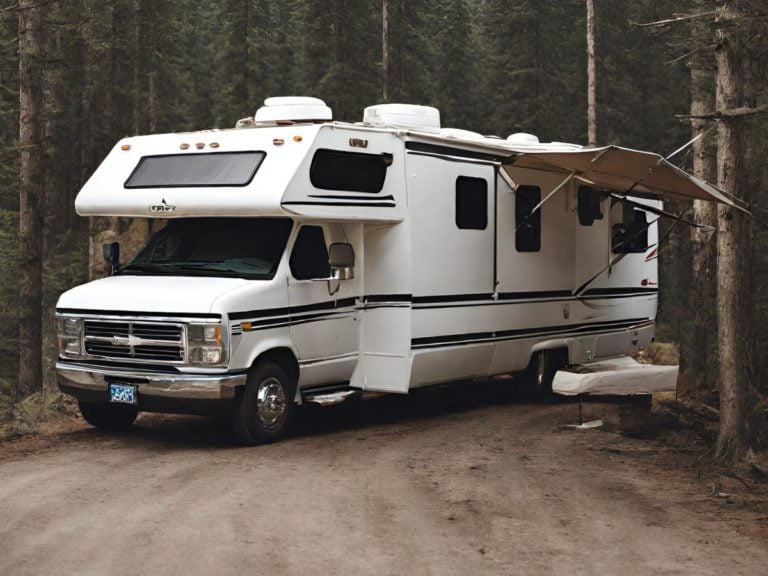
Streamlining Truck Long-Distance Shipping with A1 Auto Transport Company

0

In the ever-expanding world of commerce, the efficient and reliable transportation of goods plays a pivotal role. Long-distance shipping services have become the backbone of global trade, connecting businesses and consumers across vast geographical distances. One company that stands out in this domain is A1 Auto Transport, a name synonymous with excellence and trust in the realm of long-distance shipping.

The Rise of  Truck Long-Distance Shipping

Long-distance shipping has witnessed a significant surge in demand, fueled by the growth of e-commerce, global trade, and the interconnectedness of markets. As businesses expand their reach beyond local borders, the need for a dependable shipping partner becomes paramount. A-1 Auto Transport has emerged as a key player, offering tailored solutions to meet the unique demands of long-distance shipping.

A1 Auto Transport Company Overview

A1 Auto Transport is a well-established shipping company with a rich history and a commitment to excellence. Specializing in long-distance shipping, the company has garnered a reputation for its professionalism, reliability, and customer-centric approach. Let’s delve into the key aspects that set A1 Auto Transport apart in the competitive world of shipping services.

Cutting-Edge Technology

A1 Auto Transport leverages cutting-edge technology to streamline its operations and enhance the overall shipping experience. Advanced tracking systems, route optimization algorithms, and real-time updates ensure that clients have complete visibility into the status and location of their shipments. This commitment to technology not only improves efficiency but also instills confidence in customers.

Diverse Fleet of Vehicles

The backbone of any shipping company is its fleet of vehicles. A1 Auto Transport boasts a diverse and well-maintained fleet, equipped to handle a wide range of cargo types. From standard vehicles to specialized containers for delicate or oversized items, the company ensures that every shipment is treated with the utmost care and precision.

Comprehensive Service Offerings

A1 Auto Transport understands that one size does not fit all when it comes to shipping solutions. The company offers a comprehensive range of services, including door-to-door transport, terminal-to-terminal shipping, open and enclosed transport options, and expedited shipping for time-sensitive deliveries. This versatility allows businesses and individuals to choose the service that best aligns with their specific needs.

Customer-Centric Approach

At the heart of A1 Auto Transport’s success is its unwavering commitment to customer satisfaction. The company prioritizes clear communication, transparent pricing, and responsive customer support. Clients can rely on A1 Auto Transport not just as a service provider but as a trusted partner in their shipping endeavors.

Eco-Friendly Initiatives

In an era where environmental sustainability is a global concern, A1 Auto Transport takes proactive measures to reduce its carbon footprint. The company invests in fuel-efficient vehicles, implements eco-friendly practices in its operations, and explores innovative solutions to minimize the environmental impact of long-distance shipping.

Case Studies and Success Stories

Highlighting the real-world impact of A1 Auto Transport’s services, this section will delve into specific case studies and success stories. By showcasing instances where the company played a pivotal role in meeting unique shipping challenges, readers gain insights into the practical benefits of choosing A1 Auto Transport advice by Joe Webster

Industry Recognition and Awards

A1 Auto Transport’s dedication to excellence has not gone unnoticed. This section will explore the various industry recognitions, certifications, and awards that the company has earned over the years. Such accolades serve as a testament to A1 Auto Transport’s position as a leader in the long-distance shipping sector.

Conclusion

In conclusion, A1 Auto Transport emerges as a beacon of reliability and efficiency in the dynamic landscape of long-distance shipping. With a commitment to technological innovation, a diverse fleet of vehicles, customer-centric practices, and a focus on sustainability, the company stands tall as a trusted partner for businesses and individuals navigating the complexities of global trade. As long-distance shipping continues to evolve, A1 Auto Transport remains at the forefront, bridging distances and connecting the world through seamless and secure transportation services.

Transform Your Health with More Protein: The Benefits of a High-Protein Diet

0

Protein is an essential nutrient that plays a crucial role in maintaining overall health. It is responsible for building, repairing, and maintaining tissues in the body, including muscles, bones, and skin. Furthermore, protein is also involved in the production of enzymes, hormones, and other important molecules that are essential for various bodily functions.

Increasing protein intake can have numerous benefits for one’s health. For starters, it can help increase muscle mass and strength, which is particularly important for athletes and individuals looking to improve their physical performance. Additionally, protein can aid in weight loss by promoting feelings of fullness and reducing cravings. This is because protein takes longer to digest than carbohydrates, which helps keep hunger at bay. In this article, we will explore the benefits of protein and how it can transform one’s health.

Understanding Protein and Its Importance

What Is Protein?

Protein is a vital nutrient that is essential for the growth, repair, and maintenance of the body’s tissues. It is made up of amino acids, which are the building blocks of protein. There are 20 different types of amino acids, and the body requires all of them to function properly.

Protein can be found in a variety of foods, including meat, fish, poultry, eggs, dairy products, beans, and nuts. The amount of protein in these foods can vary, with some sources being higher in protein than others.

Roles of Protein in the Body

Protein plays many important roles in the body. It is involved in the production of enzymes, hormones, and other molecules that are essential for the body’s functioning. Protein is also important for the immune system, as it helps to produce antibodies that can fight off infections.

Protein’s Impact on Muscle Growth and Repair

Protein is particularly important for muscle growth and repair. When you exercise, your muscles experience small tears and damage. Protein helps to repair these tears and build new muscle tissue.

Athletes and bodybuilders often consume more protein than the average person, as they require more protein to support their muscle growth and repair.

The Importance of Protein for Weight Management

Protein can also be beneficial for weight management. It is more satiating than carbohydrates or fat, which means that it can help you feel fuller for longer. This can help to reduce your overall calorie intake and support weight loss.

Additionally, protein has a higher thermic effect than carbohydrates or fat, which means that it requires more energy to digest. This can help to boost your metabolism and support weight loss.

In conclusion, protein is a vital nutrient that plays many important roles in the body. It is essential for muscle growth and repair, immune function, and weight management. It can be found in a variety of foods and should be included as part of a healthy, balanced diet.

Protein Sources and Types

Animal vs. Plant-Based Protein

Protein can be found in both animal and plant-based sources. Animal-based protein sources include meat, fish, dairy, and eggs. These sources tend to be high in protein and contain all the essential amino acids needed for the body to function properly. Plant-based protein sources include legumes, nuts, seeds, soy, and some plant-based protein powders like the Double Chocolate Whey Protein Powder from Naked Nutrition. This is a new flavor from their best selling Naked Whey range. These sources can also be high in protein, but may not contain all the essential amino acids.

While animal-based protein sources are complete proteins, meaning they contain all the essential amino acids, plant-based protein sources may be incomplete. However, by combining different plant-based protein sources, such as beans and rice, individuals can create a complete protein meal.

Complete and Incomplete Proteins

Complete proteins contain all the essential amino acids needed for the body to function properly. Animal-based protein sources tend to be complete proteins. Incomplete proteins, on the other hand, do not contain all the essential amino acids. Plant-based protein sources tend to be incomplete proteins, but by combining different sources, individuals can create a complete protein meal.

High-Protein Foods to Include in Your Diet

There are many high-protein foods that individuals can include in their diet. Animal-based protein sources include chicken, beef, fish, eggs, and dairy products. Plant-based protein sources include legumes, nuts, seeds, soy, and plant-based protein powders like the Double Chocolate Whey Protein Powder from Naked Nutrition.

It’s important to note that while protein is important for a healthy diet, individuals should also focus on consuming a balanced diet with a variety of fruits, vegetables, whole grains, and healthy fats.

How to Increase Protein Intake

Protein is an essential nutrient that plays a crucial role in building and repairing tissues, making hormones, and supporting immune function. If you’re looking to increase your protein intake, there are several ways to do so. Here are some tips to help you incorporate more protein into your diet.

Incorporating Protein into Every Meal

One of the easiest ways to increase your protein intake is to include a source of protein in every meal. This could be eggs or Greek yogurt at breakfast, chicken or fish at lunch, and tofu or beans at dinner. You can also add protein to your snacks by including nuts, seeds, or cheese.

Protein-Rich Snacks

Snacking can be a great way to boost your protein intake, especially if you’re on the go. Some protein-rich snacks include hard-boiled eggs, beef jerky, protein bars, and edamame. You can also make your own protein-packed trail mix by combining nuts, seeds, and dried fruit.

Using Protein Supplements Wisely

If you’re struggling to meet your protein needs through food alone, protein supplements can be a convenient option. Protein powder can be added to smoothies or mixed with water for a quick and easy protein boost. However, it’s important to choose a high-quality protein powder that is free from added sugars and artificial ingredients.

Protein bars can also be a convenient option, but it’s important to read the label carefully to ensure they’re not loaded with added sugars and other unhealthy ingredients.

In conclusion, increasing your protein intake can be a simple and effective way to improve your overall health. By incorporating protein into every meal, choosing protein-rich snacks, and using protein supplements wisely, you can easily meet your daily protein needs.

The Most Common Types of a Personal Injury

0

Personal injuries are an unfortunate reality that can significantly impact individuals physically, emotionally, and financially.

Understanding the common causes of personal injuries is crucial for fostering awareness and promoting preventative measures.

According to a Salt Lake City personal injury lawyer, a personal injury is usually defined as a loss not only to property, but to the body, mind, and emotions as well. Furthermore, personal injury law allows injured victims to recover money for the harm that was caused to them from insurance companies and government entities.

In this article, we’ll dive into some prevalent factors contributing to personal injuries and discuss how you can take proactive steps to safeguard themselves and those around them.

1. Motor Vehicle Accidents

Motor vehicle accidents are a leading cause of personal injuries, often resulting from various factors. Some of the most common causes of these vehicle accidents include:

Distracted Driving

Distracted driving, primarily due to the use of mobile phones, poses a significant risk on the road. Studies show that texting while driving increases the likelihood of accidents. To prevent such incidents, drivers must prioritize focusing on the road and avoid distractions. Employing hands-free devices and utilizing smartphone settings designed for safe driving can help mitigate this risk.

Speeding and Reckless Driving

Speeding and reckless driving contribute to severe accidents with life-altering consequences. Adhering to speed limits and traffic regulations is crucial for road safety. Public awareness campaigns emphasizing the dangers of speeding can encourage responsible driving habits.

Driving Under the Influence (DUI)

Driving under the influence of alcohol or drugs significantly impairs judgment and coordination, leading to a heightened risk of accidents. Strict enforcement of DUI laws, public education on the consequences of impaired driving, and designated driver programs all play a role in reducing the incidence of DUI-related personal injuries.

2. Slip and Fall Accidents

Slip and fall accidents are a common cause of injuries, especially in public places and workplaces. A number of the most recurring injuries from slip and fall accidents are:

Hazardous Walking Surfaces

Wet or uneven floors and sidewalks are common culprits in slip and fall accidents. Regular maintenance, prompt clean-up of spills, and the installation of anti-slip surfaces can help prevent such incidents.

Lack of Warning Signs

Property owners bear the responsibility of informing visitors about potential hazards. Clear signage and warning labels in areas prone to accidents, such as wet floors or construction zones, are crucial for preventing slip and fall injuries.

3. Workplace Injuries

Workplace injuries often result from unsafe conditions and insufficient training. Some of the most prevalent causes of workplace injuries are:

Unsafe Working Conditions

Employers, especially those who work in construction, must prioritize maintaining safe working conditions, even with inclement weather conditions. Some practical steps to achieve this goal includes providing appropriate safety protocols, equipment, and regular inspections to identify and address potential hazards promptly.

A Lack of Training

Proper training for employees, especially for tasks involving potential risks, is paramount to everyone’s safety at all times. Employers should invest in comprehensive training programs to ensure that employees are equipped with the knowledge and skills needed to navigate their work environment safely.

4. Product Liability

Defective products and inadequate warning labels can lead to injuries among consumers.Manufacturing defects in products can pose significant risks to consumers.

Companies must implement rigorous quality control measures to identify and rectify defects before products reach the market. In cases of defective products, consumers have the right to seek legal recourse, depending on the facts of the defects of the product. More importantly, clear warning labels are essential to inform consumers about potential risks associated with a product.

Companies must adhere to labeling regulations and provide consumers with accurate information about product use and potential hazards.

Be Safe Today From A Potential Injury

Personal injuries can be prevented by addressing the common causes discussed in this article. Through increased awareness, responsible behavior, and adherence to safety regulations, individuals and communities can work together to create environments that prioritize well-being and reduce the incidence of personal injuries. Stay informed, stay safe, and let’s all contribute to building a safer and healthier society for everyone.

8 Important Factors to Compare When Deciding on a New Vehicle

0

Purchasing a new vehicle is a monumental decision that should never be taken lightly. For most people, a vehicle is their second largest investment after their home. Here are 8 important factors to compare before you sign that paperwork.

1: Reputation of the Brand

The general reputation of the brand for being reliable or a notorious money pit should be your first question. Modern vehicles are generally better built than vehicles of the past but can break down after just a few years due to planned obsolescence. Domestic vehicles and Japanese vehicles tend to have the best reputation for durability. European cars and sports cars tend to offer the latest features that haven’t been perfected yet, diminishing reliability.

2: New Generation

Determining whether the vehicle is the first production year of a new model can often save you a lot of headaches. Auto manufacturers spend over a billion dollars to design a new generation model. They will often run the model for several years by tweaking the engineering to address weaknesses and upgrading various trim package options. The first model year of a new generation may be plagued with bugs and engineering quirks that haven’t been worked out quite yet.

3: Cost of Ownership

Before you sign on the dotted line, you should consider the total cost of ownership between viable choices. For electric vehicles, you may have to pay more for batteries and tires. A combustion-powered vehicle will cost you more in oil changes and other mechanical wear parts. Find out how much it will cost to replace the major worn items before you buy, so you can anticipate the financial toll.

4: Cost of Insurance

Some vehicles cost a lot more to insure than others. This can be due to numerous factors. In many cases, it has to do with how often they are stolen or the costs to repair them if they are involved in an accident. Generally, luxury vehicles and certain budget models targeted by organized theft rings will hurt your wallet the most.

5: Lease or Purchase

You should also consider how many miles you expect to put on the vehicle. If you are just looking for an extra car to drive for pleasure, leasing may be a better choice. If you are looking for a commuter or something you hope to modify down the line, purchasing your vehicle outright is the better alternative.

6: Fuel Economy and Size

If you are going to drive your vehicle in the city more, you will probably fare better with an electric vehicle or a hybrid. A compact car will fit in tight parking spaces better and allow you to budget your energy consumption. Combustion engines perform more efficiently at highway speeds.

7: Warranty

Determining how long the drive train and other wear parts of your vehicle are guaranteed to last is a key factor. One of the greatest benefits of buying a new vehicle is the warranty and the peace of mind that it covers the total cost of major repairs.

8: Depreciation

Looking at how well similar models of the automaker maintained their value is critical because it quantifies owner satisfaction. It also will allow you to switch vehicles easily, if your needs change, without taking a big hit on your wallet.

5 Creative Date Night Ideas to Try

0

Other than going to dinner, a date night provides ideal ways to bond, make memories, and start new traditions. As you and your partner or potential seek out some creative options, learn about the choices you have and ways to really enhance your date night experience.

Check out some of the more creative ways to enjoy date night. You could pair these activities with a nice dinner or treat them as independent events.

1. Pottery Classes

Connect over art with a date night that involves a pottery class. You could choose a pottery class that involves making pottery pieces yourself or you could simply go to an art studio where you paint pieces of pottery.

Not only can you bond over the art creation, but you will have a nice piece to take home and remember your date with. You could find general pottery classes or attend classes specifically catered to couples.

2. Couples Massage

Enjoy the relaxation and pampering of a couples massage together. The intimate experience will have you lay on tables side by side from each other and enjoy a long massage that relaxes your muscles and body.

A couples massage can last anywhere from one hour to two hours long depending on the session you book. You can simply relax and enjoy each other’s company or talk throughout the whole session. The private space provides an ideal location for couples and could become a new tradition.

3. Indoor Skydiving

Add some thrills to date night with an adventure at an indoor skydiving location. Indoor skydiving offers a lot of the same thrills as traditional skydiving but without the need to jump out of an airplane.

You can book a skydiving experience for just you and your partner or invite another couple to enjoy a double date as you all skydive together.

4. Unique Movie Experiences

While a traditional trip to the movie theater is common for couples, you can mix things up and enjoy some unique movie date experiences. For example, you could find a classic drive-in movie theater and enjoy a movie from the comfort of your car.

You could look for a beachfront movie experience where you watch movies on the sand or even in a pool. Check your local area for some of these unique movie-viewing experiences and try them out. The movies they show may be a mix of classic titles or newer films.

5. Private Karaoke Rooms

Instead of singing on stage in front of others, many new locations offer the chance to book a private karaoke room. With a private room, you and your partner can pick songs and enjoy moments where you sing together, goof off, and have hours of entertainment.

Much like indoor skydiving, you have the opportunity to invite others and share the experience as a double or triple date. Each time you book a private karaoke room, you have the opportunity to pick different music genres or fun themes like movie musicals.

Try out all these different creative date nights to see which activities you enjoy the most and then make them a new dating tradition for your relationship.

6 Reasons to Consider Physical Therapy After A Sports Injury

0

It is important to take the time to recover after a sports injury. Physical therapy should be a part of the recovery process. You can reap the following benefits by getting physical therapy after a sports injury.

1- Reduce Your Pain

Pain is one of the common complaints that people have after a sports injury. This pain can linger even after you have recovered from the injury. Physical therapy has been shown to be effective in getting rid of injury-related pain.

Your muscles can tighten after an injury. Physical therapy can elongate the muscles and alleviate muscle tension. It can also reduce pain by stimulating blood flow.

2- Lower Your Chances of Needing Surgery

Surgery is sometimes a part of the recovery process. However, surgery can come with risks. You also have to recover from the surgery. That is why it is best to avoid surgery unless it is absolutely necessary. Physical therapy can reduce your chances of needing to get surgery. Not only is physical therapy the safer option, but it is also the more cost-effective option.

3- Improve Your Performance

Many athletes fear that they will no longer be able to perform at the level that they did before their injury. However, physical therapy can increase your endurance and strength. It is possible that you can perform better than you did before if you get physical therapy. There are several ways that physical therapy can improve your performance.

Your physical therapist can teach you how to do breathing exercises. They can also help improve your flexibility and range of motion. Additionally, your physical therapist can also help you with conditioning exercises.

4- Different Types of Technology Can Be Used

There is no one-size-fits-all when it comes to physical therapy. Physical therapists know that every patient is different and has unique health needs. That is why there are a variety of treatments that can be used including ice compression systems, blood flow restriction trainin, and deep oscillation therapy.

5- Helps You Recover More Quickly

You are probably ready to get through the recovery process so that you can go back to the sport you love. The best thing that you can do to speed up the recovery process is to go to physical therapy. Studies have shown that people who go to physical therapy tend to recover more quickly than those who don’t go to physical therapy after an injury.

Your physical therapist will also give you a list of at-home exercises that you can do. Doing those exercises will also help speed up the recovery process.

6- Reduce Your Chances of Getting Injured in the Future

Physical therapy isn’t just good for helping you heal from a current injury, but it can also prevent you from getting injured again. Physical therapy focuses on increasing your coordination, strength, and flexibility. If your body is stronger, more coordinated, and flexible, then your risk of injury is lower. Additionally, your physical therapist can spend extra time helping you build up areas of your body that are weaker than others.

7 Benefits of Having a Home’s Siding Professionally Replaced

0

Getting tired of looking at the same tired siding on your home? Maybe the color you picked all those long years ago was new and trendy, but now it’s just faded and dated. Or are your concerns less about aesthetics and more about preserving your home’s structural integrity? There are many reasons to have your home’s siding replaced. But even the most stalwart DIYers would be best served by handing the reins over to professionals. As it is, there are some real benefits to doing so:

1. Professionals Have the Right Tools

Have an impressive tool collection? Good for you! Despite that, you might not have everything you need for a complete siding replacement project, and that’s usually the difference between a DIYer and a professional company that replaces and installs siding for a living. Established professionals have the right tools so they don’t have to stop in the middle of the job to run out to buy what they need. This is both a time saver and a money saver.

2. Professionals Provide Quality Workmanship

Having your home resided is an investment and one that the whole world can see—or at least your entire neighborhood. Professionals have far more experience with installation work and know how to do it right. If you’re going to spend your hard-earned money on siding, it only makes sense to go the extra mile and make sure it looks good and is done right. Hiring experienced siding contractors in the Bay Area can ensure that your home not only benefits from high-quality materials but also from expert installation that adheres to local building codes and weather considerations. Siding contractors Bay Area professionals can provide invaluable advice on the best products and techniques to use for your specific situation, enhancing the durability and appearance of your home.

3. Professionals Provide a Legal Contract for Their Services

When a professional siding contractor performs a job, the work they do speaks to their ability and reputation. If they do shoddy work, it will be hard for them to get new jobs. When you sign a contract with a professional, you’ll have a legally binding agreement that the work will be started and completed within a certain time frame and that the work will meet your expectations.

4. Professional Siding Installers Factor in the Climate

The are a lot of new siding materials on the market today to choose from, but professional installers know from experience which works best in individual environments. For example, homeowners in coastal areas where high humidity and heavy storms are commonplace might want to navigate away from wood siding. Why? Wood tends to absorb excess moisture which can lead to rot. Professionals can provide good advice about the best materials with price points for your area.

5. Professional Siding Installers are All About Safety

No one wants to get injured on the job. If a worker is hurt and laid up, there is concern not only for their well-being but also for the potential lost time and business down the road. For this reason, professional siding installers focus on doing a good job but always with an eye on safety–safety for them, safety for the integrity of the home they are working on, and safety for their clients and anyone who comes near the job site.

6. Professional Siding Installers are Licensed and Insured

A natural extension of the above benefit, professionals in the field will have the appropriate training and licenses to do siding installation work. In addition, they’ll carry adequate general liability insurance and workers’ compensation as both a protection for them and for any liability against you.

7. When You Let a Professional Do it, You Make It Easier on YOU

Experienced, professional siding contractors will look at a job and plan. They know from experience where to start, what areas will need extra special attention, what tools to have on hand, and how big a crew they need. Also, they won’t leave the site until the job is finished and cleaned up. That’s less headaches — and backaches — for you.