Home Blog Page 114

How Much of an Insurance Payout Will You Get After a Car Accident?

0

Have you ever been in a car accident and felt confused about the insurance payout you would get? Whether you’ve been in a fender bender or have suffered from more serious injuries, it’s important to understand how much money you can expect to receive for your claim. In this article, we’ll take a look at some of the factors that go into determining your settlement amount after an auto accident.


First, it’s important to note that every state has different laws and regulations that govern how claims are settled after an accident. So while this article will be focused primarily on the insurance process here in the US, keep in mind that these concepts may not necessarily apply to other countries. That being said, let’s take a look at some of the things that will affect your insurance payout.


One of the biggest factors in determining your settlement amount is the severity of your injuries. If you’ve been in a major accident and have suffered severe injuries, you can expect to receive a much higher payout than if you’ve only sustained minor cuts and bruises. Insurance companies will oftentimes use a medical billing code to determine the severity of your injuries, so be sure to keep track of all documentation related to your treatment.


Another thing that will affect your insurance payout is whether or not you were at fault for the accident. If it was deemed that you were responsible for causing the accident, your settlement amount will likely be reduced. On the other hand, if the other driver was determined to be at fault, you can expect to receive a larger payout.


It’s also important to note that your insurance company will take into account any property damage that occurred as a result of the accident. So if your car was totaled in the accident, you can expect to receive a much higher settlement than if only your bumper was damaged. Be sure to keep track of all documentation related to the damage done to your vehicle so that you can provide it to your insurance company when filing your claim.


Lastly, the insurance company will also consider any lost wages that you may have incurred as a result of the accident. If you were unable to work because of your injuries, you can request that this be included in your settlement. Be sure to keep track of any documentation related to your lost wages so that you can provide it to your insurance company.


In conclusion, understanding how much money you’ll receive from your insurance company after an auto accident can be confusing and overwhelming at first. However, by keeping the factors mentioned above in mind when filing your claim, you’ll be able to better understand what to expect as your case moves forward. So if you’ve been injured in a car accident and need assistance with your insurance payout, consider contacting Napoli Shkolnik PLLC today. Their experienced personal injury attorneys can help you navigate the complexities of the insurance claims process and fight for the full amount of compensation that you deserve. Call them today at (844) 860-0949 to schedule a free consultation.

Why Value-Based Selling Is The Superior Sales Methodology

0

There’s a wide range of sales philosophies and methodologies to follow, but as of late, one name—value-based selling—has been rolling off tongues more than most others. What is value-based selling, and why is it such a hot ticket these days? Read on, as we delve into these (and other) important details.

An Intro To Value-Based Selling

There are about as many takes on this as there are salespeople who follow the practice, but if you want a straightforward definition, it’s that value-based selling a customer-first approach. Instead of going “heavy” on the sales angle, you, (or your salespeople) instead adopt the role of educators—guiding clients through the sales process while showing them what eventual positive outcomes they’ll reap after purchasing the product/service in question.

The value-based approach, if you weren’t already aware, zeroes in on the “missing piece” your prospects need in order to bridge the gap between where they are and where they envision themselves. Focus on how you provide value—that aforementioned missing piece—and what comes of it down the line, be that improved productivity, quality of life, etc.

With the right approaches, this technique will see a boost to your overall bottom line. Next, let’s talk about the key ways in which value-based selling beats out other methodologies.

How Value-Based Selling Beats The Rest

It’s important, firstly, that you remember this isn’t some sort of hack to net you greater sales. To the contrary, value-based selling is a long-term strategy that, when followed appropriately, can lead to a closer relationship with clients and a host of benefits that come from that.

This isn’t to say that a mastered value-selling approach won’t bring you greater profits, though, because that is one of the chief benefits of this methodology. Because value-based selling emphasizes precisely that, you can trade off the perceived benefits of your product/service in order to boost the amounts you’re pulling in per sale. Beyond that, though, the long-term aspect of this approach banks on you getting repeat sales, so you’ll have a chance to maximize that revenue over time when clients are coming to you instead of competitors.

Of course, the reason you’re able to succeed to such a great degree with value-based selling is twofold. First, you’re really listening to clients and prospects, honing in on their fears, needs, and desires. In doing so, you can craft your approach differently than most one-size-fits-all sales methodologies, and really start tailoring your value to fit an audience.

Secondly, you’re able to connect more with the prospects’ needs and better secure their loyalty by way of promoting a complete experience over just a singular product or service. Yes, it’s the product/service that the customer primarily buys, but with that comes a range of interactions—from customer service to beyond—along with the post-purchase experience that will color perceptions. When you’re focused on these elements, as you are in a value-based selling model, you’re more likely to hit the mark with those potential customers.

What’s Next in the CMMC Rollout Process in 2022?

0

Have you heard about CMMC, the new cybersecurity initiative from the Defense Department that is being rolled out this year? CMMC stands for “Cybersecurity Maturity Model Certification,” and it will have a huge impact on businesses in all industries that work with the Department of Defense. CMMC aims to improve the cybersecurity standards for defense contractors and vendors, making our nation’s military more secure from cyber threats.


While CMMC is still in its early stages, many experts are predicting that 2022 will be a critical year as the rollout process continues. So what can we expect to see next in CMMC? Here are five key things to look out for:

1. New guidelines and regulations.

CMMC has already released several draft versions of its certification framework, with plans to finalize it later this year. As this framework is finalized, businesses across all industries need to start preparing themselves for these new guidelines. This involves identifying their current level of cybersecurity maturity, developing strategies for improving their security measures and processes, and ensuring that they have the proper resources to meet CMMC standards.

2. Data collection and analysis.

In order to effectively manage CMMC certification, businesses will need to collect and analyze a large amount of data on their cybersecurity practices, including their systems, networks, protocols, processes, employees, vulnerabilities, and more. This data will be used to determine whether or not companies are meeting CMMC requirements.

3. Increased pressure on defense contractors. 

As CMMC becomes more widely adopted across the Defense Department and its various programs, we can expect increased pressure placed on defense contractors to become certified as well. This means that in 2022, many businesses may find themselves scrambling to meet CMMC standards in order to continue working with DoD clients and maintain their competitive edge.

4. More CMMC pilots and industry partnerships.

CMMC has already launched several CMMC pilot programs, with plans to launch more in the coming months. These pilots are intended to further test out the CMMC framework and provide input on potential changes or improvements. Additionally, we can also expect to see an increase in partnerships between CMMC and other organizations, such as government agencies or private sector businesses.

5. Increased public awareness and education.

Finally, one of the most important things that we can expect to see next in CMMC is increased public awareness and education regarding CMMC certification requirements. As businesses across all industries begin adopting CMMC guidelines and standards, individuals will need to understand what these changes mean for them, including how they can better protect themselves online. This increased awareness can help to make CMMC a success, ensuring that our nation’s military is better protected from cyber threats.

While CMMC is still in its early stages, many experts believe that 2022 will be a critical year as the rollout process continues. As businesses across all industries begin preparing for CMMC certification and adopting these new standards, it will be important to stay up-to-date on any changes or developments in this initiative, in order to ensure that your business remains competitive and stays ahead of the curve.

SolChicks. The newest PTE NFT game

0

If you’re interested in one of the most popular, thriving, and exciting fantasy play-to-earn NFT games in the entire market as we speak, we are here to break it down for you. 

A relatively new game to the crypto gaming sphere, SolChicks has constantly been breaking world records ever since its demo version dropped in November of the last year. Just in the first week alone, approximately 50,000 players completed the demo version with excitement. 

This brilliant battle arena-style game is bound to give you everything you are looking for in the world of crypto gaming. Not only will you enjoy the perfectly executed gameplay, but you will also be able to take up the opportunity to make some money from your playing. 

What are PTE NFT games? 

If we had to explain it briefly, it would suffice to say that PTE (play-to-earn) NFT (non-fungible tokens) games are games from that you can earn some money. By doing what, you might ask? Well, just by playing. 

Consider this stark gaming combination of the gaming and finance worlds as an option to reach a return on investment, a chance to profit off of your gaming skills and time. 

How do PTE games work?

Play-to-earn games are greatly different from the traditional games you have probably encountered hundreds of times in your gaming career or hobby. Although there are many similarities between these two, there are also a few important differentiating factors. 

Profiting off of gaming has been made much more simple and accessible with the use of blockchain technology. Nowadays, PTE games not only provide you the possibility to earn money while playing games for free, but you can also get crypto tokens, win prizes, and collect in-game items to sell at an NFT marketplace of your choice. 

The many options for making an income have made gamers aware that there are many more creative ways to make a living as opposed to the way that has traditionally been done so far. 

What is the SolChicks game?

SolChicks is the game that puts play-to-earn games on the map worldwide. With positive reviews and substantive player payoffs pouring in daily, it is safe to say that this is one of the most desirable play-to-earn NFT games this year. 

Ran on the Solana blockchain, with the in-game currency called CHICKS token or $CHICKS, the game is described as insanely entertaining, intriguing, well-designed, interesting, and profitable. 

If you are a fan of anything related to fantasy, strategy, battle missions, intergalactic adventures, and fighting tactics, you’re in luck. This one’s for you. 

Imagine it, you are a cool warrior SolChick, part of a mean battle chicken battalion, fighting the enemy called SolFox who mercilessly took over your home planet called Chicco. Who wouldn’t want in on that, right? 

Split into four categories of levels that go up to level 60, the game will keep you interested at all times. You will be expected to bond, take care of, and even breed your character, all while enhancing it and altering it, which will subsequently increase its value. 

Making money from SolChicks 

Well, let’s kick this off by saying that you will be the proud owner of your NFT chick character. It is important to say that there are a total of 10,000 original chicks that come with various attributes and designs, as well as a different rate of rarity and popularity. 

All of these characters can be bought, sold, and traded on an NFT marketplace, and most players will probably be intrigued by the idea of breeding your character to get a brand new and unique non-fungible token. 

Different NFTs obtained in the game are part of the marketplace fun and profit. What is important is that you play the game and play enough to be able to make the adjustments and alterations that you want to bump up your category stats and sell it off at a good price. 

The options are numerous, but we will have to leave that part for you to discover. 

What Even is SaaS Marketing? An Introduction

0

First of all, Software as a Service (SaaS) provides software on a subscription basis. “On-demand software” or Web-hosted software also refers to SaaS. That said, SaaS marketing is bringing that software to market and selling the subscriptions.

If you’re in the SaaS business and need some marketing advice, the experts at Digital Authority Partners have put together this guide for you. Be patient; building a robust marketing strategy will take time. But ultimately, an intelligent SaaS marketing plan will keep your software enterprise solid and stable.

Build a Content Network

Rather than simply hosting a blog on your main website, consider building a network of online magazines related to your software. Each of your online magazines should focus on a topic for potential searching software users.

For example, if you host real estate software, your magazines should focus on topics of interest to real estate agents. That could include individual real estate markets. But at least one magazine needs to focus on real estate technicalities and legalities, a problem that your software can solve.

Essentially, build a network of online magazines that appeal to different buyers that could use your software. Each magazine should be an attractive, unique, standalone entity. The content should not be a sales pitch but rather valuable to the reader. 

Of course, these magazines will have links and possibly display ads for your product. Also, these magazines can provide a source of passive ad income from non-competing sites. For example, in the case of real estate software magazines, they could host ads from sites like Zillow.

Content Marketing Strategies

Content isn’t just blog posts, magazine articles, newsletters, or videos. Other types of content can benefit technology companies, such as:

· Podcasts

· Case Studies

· Infographics

· Industry news articles

· E-books and E-courses

· Webinars and live streams

· Influencer marketing

· Whitepapers

· Testimonials

· Calculators

· Polls, surveys, and quizzes

· Audiobooks

· Real-world, offline events

· Resource libraries

Decide what will work for your niche and what will appeal to your potential subscribers. Whatever you decide, your content needs to stand out from the competition. Place these content marketing techniques on your social media, landing pages, blogs, magazines, and newsletters.

Create Videos and Place Them on Popular Video Platforms

Video marketing is highly successful, especially for SaaS companies. However, a quality video takes time to put together. So, to keep it simple, you can use your videos to answer frequently asked questions for your niche.

YouTube is free, and it has more than 2 billion active users worldwide every month. So creating video titles that contain possible questions related to your software can bring you a lot of views.

But don’t limit yourself to YouTube; upload your videos to other platforms, including Facebook, Twitter, Vimeo, Rumble, and Bitchute. New video and social media platforms are launching all of the time. It can be time-consuming, but upload your videos to the places your potential subscribers are likely to be.

Also, embed your videos on your landing pages, across your network of online magazines, and in your newsletters.

Build an Online Community

Your SaaS brand needs to have a user forum for your subscribers. A fun, informative, and engaged community of customers bolsters the connection between users, developers, and potential subscribers.

Not only that, your company should host groups on social media. These serve as a place for users to share ideas and as a place to gather valuable marketing data. However, you may need a dedicated moderator to keep your forums and groups free of spam and trolls.

The goal of hosting a community is not to promote your company’s latest products or agenda. Instead, it’s to create a sense of pride and belonging to your industry niche and software. Of course, your community is also a valuable resource for your subscribers and potential subscribers.

Building a community is only the first step; managing and keeping the community alive is an entirely different challenge. Ensure that your community members have ways to connect and receive notices that their questions and posts have received a response. Encourage and reward user-generated content with different levels.

Your SaaS brand depends on loyal subscribers. One way to encourage that is to rely on their basic need for community.

Hyper-personalized, Targeted Marketing

Cutting-edge tools like AI and machine learning make highly targeted, hyper-personalized marketing possible. Hyper-personalization leverages AI, big data, automation, and analytics to create targeted, real-time experiences for potential customers.

When done well, hyper-personalized marketing is beneficial for both consumers and SaaS companies. It engages consumers in a more meaningful way by building positive relationships and improving the customer experience.

Research shows that:

· 86% of companies using hyper-personalization see a measurable increase in business.

· 90% of consumers like hyper-personalized ads.

· 40% of people who have responded to a hyper-personalized ad say they” buy from that brand again.

So your targeted personalization needs to be thorough, from your PPC campaigns, magazines, and video marketing, to subscriptions.

Keep in mind that there’s a difference if you’re marketing to companies rather than individuals. For example, an employee who sees your ads may need to get more than one approval to subscribe to your SaaS product.

Decide How You’ll Measure the Success of Your Marketing

Success can mean different things, but most of all, it means an increase in revenue. Therefore, there needs to be a return on investment with your SaaS marketing. For a SaaS company, that means more subscribers.

However, there are other ways to measure marketing success, such as customer acquisition cost; this calculates your campaign’s average price per customer. Customer acquisition cost needs a measurement against the customer lifetime value, which is how much the average customer will spend. For example, achieving a 3:1 LTV requires a formula to determine a CAC ratio or making 3x from a new subscriber compared to what it costs to acquire them.

Customer Churn Rate measures the number of existing customers at the beginning of a period compared to the number of existing customers at the end of the period. You’ll want to see an increase in existing customers rather than a decrease. If your company offers a free version of the software, measuring free to paid conversion is another measure of success.

A good SaaS marketing plan is sustainable, taking into account your company’s sales cycle and your average customer life cycle. But, that is only half of the equation. Finding yourself quality, trustworthy SaaS marketing agencies is the other half of successful SaaS marketing.


Does Your Small Business Need IT

0

Imagine a world without email, the internet, or even calculators. Though it may seem like a distant memory, there was a time when these things didn’t exist-and businesses had to function without them. Today, however, technology is an integral part of almost every aspect of running a business, from communicating with customers and suppliers to managing finances and tracking inventory. If you’re still not convinced that your small business needs information technology (IT), here are many reasons why you should reconsider:


Improved Communication

With email, instant messaging, video conferencing, and other forms of communication, it’s easier than ever to stay in touch with customers, suppliers, and employees.


Increased Productivity

By automating tasks and using information technology to streamline processes, businesses can increase efficiency and get more work done in less time. For example, online time tracking and invoicing tools can save you hours of administrative work each week.


Improved Customer Service

With technology, businesses can offer their customers 24/7 service, whether it’s through an automated phone system or a live chat option on your website.


Increased Sales

Technology can help you reach new markets and sell more products or services. For example, if you have an e-commerce website, you can sell to customers anywhere in the world, 24 hours a day.


Reduced Costs

In many cases, technology can help businesses save money. For instance, online shopping and bill payment can save you the cost of gas and postage.


Faster Decision Making

With access to real-time data and analytics, businesses can make smarter decisions based on current trends. For example, using business intelligence tools to analyze sales data can help you identify opportunities for growth.


More Accurate Record Keeping

Many forms of information technology allow businesses to accurately track important metrics such as inventory levels and customer preferences. This enables them to make informed decisions about pricing strategies and product mixes.


Flexible Working Arrangements

Technology allows employees to work from home or remotely, which can boost productivity as well as employee satisfaction with their jobs. It also gives businesses the ability to tap into a global pool of talent.

Increased Security

With the rise of cybercrime, it’s more important than ever for small businesses to have security measures in place to protect themselves against hackers and other threats. IT systems like firewalls and antivirus software can help keep your data safe.


Improved Competitive Advantage

In today’s digital world, businesses that don’t use information technology are at a serious disadvantage. By investing in IT, you can level the playing field and stay competitive with larger businesses.


If you’re still not convinced that your small business needs information technology, contact i.t.NOW at (801) 938-4788 and they’ll be happy to discuss how they can help you get started. At i.t.NOW, their goal is simple: to help you succeed in the digital age. With their expert team of information technology professionals and cutting-edge solutions, they can help your small business thrive in today’s technology-driven world.

Benefits You Should Be Offering

0

Imagine being able to go to your company’s HR department and not having to worry about benefits. The benefits are already set up for you and you don’t have to think about it. This is the kind of peace of mind that a good benefits package can bring to employees. A well-designed benefits package will attract and retain the best talent at your company. It’s important to remember that benefits are not just about health insurance. There are a variety of benefits that you can offer employees, including:

  • Health Insurance: Of course, this is the most important benefit that you can offer employees. Health insurance is an essential part of any benefits package. Make sure to offer a variety of health insurance options so that employees can choose the plan that best suits their needs.

  • Dental Insurance: Dental insurance is another important benefit that you should offer employees. Dental care is an important part of overall health, and it’s something that many people struggle to afford. Offering dental insurance can help to attract and retain the best talent at your company.

  • Vision Insurance: Vision insurance is another benefit that is often overlooked but is actually quite important. Many people need vision correction, and vision insurance can help to cover the cost of this necessary care. Offering vision insurance can be a great way to show employees that you care about their overall health and wellbeing.

  • Life Insurance: Life insurance is an important benefit for employees and their families. No one knows when their time will come, so it’s important to have life insurance in place in case of an unexpected death. Offering life insurance can give employees peace of mind knowing that their loved ones will be taken care of financially if something happens to them.

  • Disability Insurance: Disability insurance is another important benefit that you should offer employees. This type of insurance provides financial protection in the event that an employee is unable to work due to an injury or illness. Offering disability insurance can help to attract and retain the best talent at your company.
  • Financial Wellness Programs: Financial wellness programs are a great way to help employees improve their financial health. These programs can offer employees budgeting advice, debt counseling, and financial planning services. Offering a financial wellness program is a great way to show employees that you care about their financial well being.

  • Retirement Savings Plans: Retirement savings plans are a great way to help employees save for the future. There are a variety of retirement savings plans available, and you should offer employees a choice of which plan best suits their needs. Offering retirement savings plans can help to attract and retain the best talent at your company.

  • Paid Time Off: Paid time off is a benefit that all employees appreciate. Everyone needs a break from work from time to time, and paid time off allows employees to take the time they need without worry about losing income. Offering paid time off is a great way to show employees that you value their work-life balance.

  • Flexible Work Schedules: Flexible work schedules are becoming more and more popular, and for good reason. They allow employees to have a greater degree of control over their work-life balance. Offering flexible work schedules is a great way to show employees that you value their work-life balance.

Now that you know what benefits you should be offering, it’s time to start implementing them at your company. Offering benefits is a great way to attract and retain the best talent. When employees feel valued and supported, they are more likely to be productive and loyal to your company. So, don’t wait any longer, start offering benefits today!

Today’s Business Essentials

0

Today’s Business Essentials

Essentials in business today include social media and online marketing tools and trends such as globalization and e-commerce. These new technologies play an essential role in driving people to the business website and increasing its traffic. This article will discuss these essentials according to entrepreneur Alexander Djerassi.

Social Media

The first essential is social media, which includes Facebook, Twitter, and other websites or platforms that help in communicating with others. Many businesses now have their presence on social media. This means they have their accounts set up but are not using them frequently yet. The benefits of using these websites can be tremendous! It’s a must to understand how to use social media for the company. For instance, some companies have increased their sales by 50% simply through social networking sites. And these sites aren’t just for consumers – many organizations and nonprofits have also used social media to make connections and raise awareness with potential clients and donors.

Online Marketing Tools

In addition to social media, learning about internet marketing tools is needed. One tool that plays a big part in the success of a business when it comes to marketing is blogging. Blogging allows one to update the public on the progress of a project. Also, blogs give the business a chance to interact with customers directly. There are many ways to optimize a blog so the message gets across quickly and effectively. Examples include meta tags, keywords, links, comments, photos, videos, etc.

Trends

Many things change over time. But, some things don’t. So, trends come up periodically, where businesses see massive changes within a short period. To stay on top of current trends affecting the business, keep up with the latest knowledge available via the Internet. Check out the most recent news headlines, and read magazines, blogs, and books. Then apply what has been learned to your business.

Globalization

People around the world have become more connected than ever before. They often travel and live together, creating opportunities to trade goods, services, money, ideas, and cultures. Today we experience fast global communications, instant banking, and easy transportation from one side of the planet to another. As a result of these changes, businesses must rethink many aspects of doing business and reevaluate strategies to compete.

E-Commerce

With all the advances in technology, the way we shop has changed tremendously. Nowadays, people prefer shopping online rather than going to stores. With the growth of electronic commerce (e-commerce), consumers can purchase items online without leaving home. Almost 40% of purchases made annually go through online channels. However, successful businesses that operate online need specific skills to succeed. In particular, they need to build customer loyalty and trust, promote products properly, get website traffic and convert buyers into loyal customers through email marketing.

According to entrepreneur Alexander Djerassi, today’s business essentials don’t necessarily mean a significant investment. Instead, they represent ways to achieve efficiency and effectiveness in small businesses. By taking the time to master each of these essentials, businesses find that they are much more practical today.

7 Cybersecurity Tips for Remote Employees

0

Have you recently transitioned to working remotely? If so, kudos! You’re one of the lucky ones. Not everyone has the option to work from home, and you should count yourself fortunate that you do. But working remotely comes with a lot of great perks like not having to commute, being able to design your own office space, and having a more flexible schedule but it also comes with some challenges. One of those challenges is cybersecurity.

When you’re in an office, there are usually information technology professionals who are responsible for keeping the network secure. But when you’re working remotely, it’s up to you to make sure your computer and devices are safe from cyber threats. Here are 7 cybersecurity tips for remote employees:


1. Use a VPN

If your company offers a virtual private network (VPN), make sure to use it whenever you connect to the internet,  whether you’re working from home or using public Wi-Fi. A VPN encrypts your data and routes  it through a secure server, making it much harder for hackers to intercept and steal your information.


2. Keep Your Software Up to Date

One of the best ways to protect your computer from malware and viruses is to keep your software up to date. That includes your operating system, as well as any applications you have installed. Whenever a new update is available, install it as soon as possible. Most software updates include security patches  that can help protect you from the latest threats.


3. Use Strong Passwords

When it comes to passwords, longer is always better. In fact, the ideal password is at least 12 characters long and includes a mix of upper- and lower-case letters, numbers, and symbols. If you’re having trouble coming up with a strong password, try using a passphrase instead. For example, “Ilovemydog1234!” is much stronger than “ilovedogs”.


4. Don’t Click on Suspicious Links or Attachments

One of the most common ways for hackers to gain access to your computer is by tricking you into clicking on a malicious link or opening a harmful attachment. Be extra cautious when you’re working  remotely and only click on links and attachments from sources you trust. If you’re not sure whether a link or attachment is safe, err on the side of caution and don’t click it.


5. Back Up Your Data Regularly

You should always back up your data, but it’s especially important to do so if you’re working remotely. That way, if your computer is ever lost, stolen, or damaged, you’ll still have all your important files. There are a few different ways you can back up your data, including using an external hard drive, storing files  in the cloud, or emailing them to yourself.


6. Use a Firewall

A firewall is a software program that helps protect your computer from unauthorized access. It does this by blocking incoming traffic that isn’t supposed to be there. Most computers come with a built-in firewall, but you can also install third-party firewall software. Either way, make sure your firewall is turned on and working properly.


7. Be Careful What You Share on Social Media

If you’re working remotely, it’s important to be careful about what you share on social media. That’s because anything you post online whether it’s on Facebook, Twitter, or LinkedIn is public and can be seen by anyone, including potential hackers. So if you wouldn’t want your boss or clients to see it, don’t post it online.


By following these tips, you can help keep yourself safe from cyber criminals. And remember, if you have any questions about cybersecurity, don’t hesitate to ask your employer or contact ITS Group. ITS Group is a leading provider of IT security solutions. They can help you secure your remote workforce with their comprehensive suite of cybersecurity products and services. Contact them at (941) 727-4487 today to learn more!

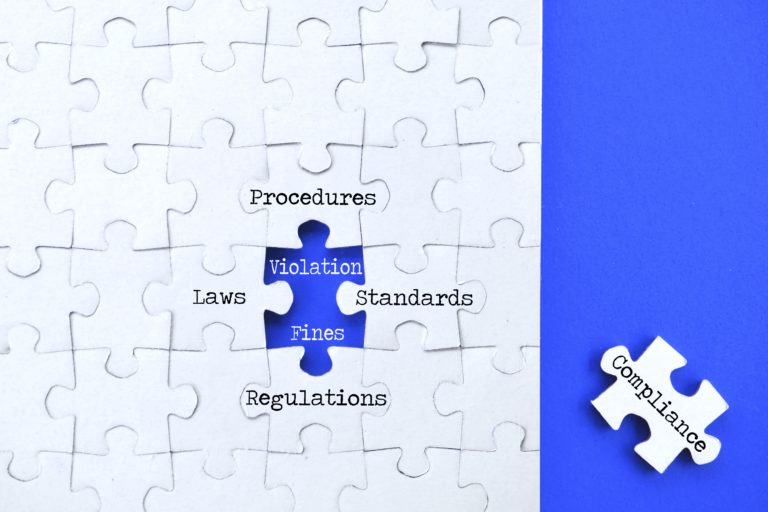
Do You Know Which Compliance Standards Your Business Needs to Follow?

0

Why is compliance essential? In any business, compliance refers to conforming to a rule, regulation, standard or law. Compliance functions make sure that an organization adheres to external rules and regulations, as well as internal policies and procedures.


An effective compliance program can protect your company from legal penalties, damage to its reputation and loss of customers or funding.


It can also help you avoid compliance risks in the first place by ensuring that your business practices are up to date and meet industry best standards.


Compliance is essential for businesses in heavily regulated industries, such as healthcare, finance, energy and manufacturing. These businesses need to comply with a range of compliance standards, set by government agencies, professional bodies and other third-party organizations.


The most common compliance standards include:


  • Healthcare: HIPAA, HITECH, Joint Commission
  • Finance: Sarbanes-Oxley, Gramm Leach Bliley Act, Basel Accords
  • Energy: North American Electric Reliability Corporation Critical Infrastructure Protection Standards
  • Manufacturing: International Organization for Standardization, Occupational Safety and Health Administration, ANSI/ASQ Z1.9

Your business may need to comply with one or more of these compliance standards, depending on the industry you operate in.


HIPAA Compliance

The Health Insurance Portability and Accountability Act (HIPAA) is a federal law that requires healthcare organizations to protect patient health information. HIPAA compliance involves implementing physical, technical and administrative safeguards to protect patient data.


Organizations that fail to comply with HIPAA can be subject to civil and criminal penalties of up to $1.5 million.


SOX Compliance

The Sarbanes-Oxley Act (SOX) is a federal law that requires publicly traded companies to implement internal controls and procedures to prevent fraud and financial misrepresentation. SOX compliance involves implementing processes and controls to ensure the accuracy of financial reporting.


Organizations that fail to comply with SOX can be subject to civil and criminal penalties, including jail time for executives.


NERC Compliance

The North American Electric Reliability Corporation (NERC) is a not-for-profit organization that oversees the electric grid in North America. NERC compliance involves meeting a set of critical infrastructure protection standards designed to protect the electric grid from physical and cyber threats.


Organizations that fail to comply with NERC can be subject to fines of up to $1 million per day.


ISO Compliance

The International Organization for Standardization (ISO) is a global body that sets standards for a wide range of products and services. ISO compliance involves meeting the requirements of ISO 9001, a quality management standard.


Organizations that fail to comply with ISO can be removed from the ISO Register, which could damage their reputation.


OSHA Compliance

The Occupational Safety and Health Administration (OSHA) is a federal agency that sets safety and health standards for the workplace. OSHA compliance involves implementing policies and procedures to protect employees from workplace hazards.


Organizations that fail to comply with OSHA can be subject to fines of up to $70,000.


ANSI/ASQ Compliance

The American National Standards Institute/American Society for Quality (ANSI/ASQ) is a national organization that sets quality standards for a wide range of products and services. ANSI/ASQ compliance involves meeting the requirements of the ANSI/ASQ Z1.9 standard, which covers quality management in the manufacturing industry.


Organizations that fail to comply with ANSI/ASQ can be removed from the ANSI/ASQ Quality Register, which could damage their reputation.


So, which compliance standards does your company need to follow? It depends on the industry you’re in. Make sure you do your research and find out which compliance standards apply to your business. Failure to comply with the applicable standards could result in hefty fines or even jail time. That’s why it’s so important to make sure you’re in compliance with all of the standards that apply to your business.