Home Blog Page 32

What are floating boat docks and why are they so convenient

0

Floating boat docks are a versatile and popular solution for water enthusiasts looking for convenient ways to access their boats. They are platforms that rest on the surface of the water and are held in place by pilings or anchoring systems. Unlike traditional fixed docks, which are usually built on a framework of piles driven into the seabed or lakebed, floating boat docks move up and down with the tide, ensuring consistent elevation for boarding or disembarking. This feature alone is significant, but several other benefits contribute to their convenience.

One of the primary advantages of floating boat docks is their adaptability to changing water levels. As they rise and fall with the tide or fluctuating water levels in lakes, they remain accessible regardless of seasonal changes or weather conditions. This adaptability eliminates the problem of boat owners having to deal with significant height differences that can occur with fixed docks, which is especially beneficial in regions prone to seasonal flooding or tidal shifts. With floating boat docks, the hassle of constantly adjusting for variable water levels is virtually eliminated.

Installation of floating boat docks is also relatively simple compared to traditional fixed docks. They can often be put together using prefabricated modular sections, which means less time is needed for construction and setup. This modular design also allows for expansion or reconfiguration as required. Should the need arise, the dock can be dismantled and moved to another location, making it ideal for those who want a temporary docking solution or who anticipate relocating their dock.

Another convenience of floating boat docks lies in their maintenance. Fixed docks can require frequent and costly upkeep because they are directly exposed to environmental conditions that wear down their pilings and structure over time. Floating docks, however, are designed to withstand varying conditions by using durable, lightweight materials such as aluminum, composite decking, or UV-resistant plastics. This makes them highly resistant to corrosion, rust, and other damage that can occur in a marine environment.

In addition to being practical, floating boat docks are often customizable to suit the specific needs of the boat owner. Accessories such as ramps, ladders, benches, and boat lifts can be easily added, creating a docking environment tailored for specific activities like fishing, swimming, or simply lounging. With a wide range of add-ons, these docks provide boat owners with greater functionality and comfort.

Lastly, floating boat docks are beneficial for protecting the environment. Unlike fixed docks, which may require substantial seabed disruption to install pilings, floating docks have minimal impact on marine life and underwater ecosystems. By reducing the need for intensive groundwork, they help maintain the natural habitat and beauty of the waterfront.

Overall, floating boat docks provide a flexible, low-maintenance, and environmentally conscious solution for waterfront access. Their ability to adapt to varying water levels, combined with ease of installation, customization, and reduced environmental impact, make them a top choice for many boat owners looking for a modern and convenient way to dock their boats. Whether for personal or commercial use, floating boat docks are an investment that pays dividends in functionality and peace of mind.


Overcoming Challenges in Each Phase of the Data Analytics Lifecycle

0

The data analytics life cycle may be quite challenging. Because data is growing exponentially, organisations still rely heavily on gathering unprocessed data and turning it into useful information. This process presents numerous problems that must be overcome to realise the full potential of data analytics.

This is where professionals who have taken Data Analytics Courses can come in to help understand and overcome these problems that stand between a deluge of data and real insights. In this blog we explore every stage of the Data Analytics Lifecycle and present actionable insights to help overcome its challenges.

Table of Contents

  • Understanding Business Requirements
  • Data Acquisition and Exploration
  • Data Preparation
  • Model Planning
  • Model Building
  • Model Evaluation
  • Model Deployment
  • Model Maintenance and Monitoring
  • Conclusion

Understanding Business Requirements

We must understand the specific goals of the company and the questions needed to be answered before working with data. This phase acts as a guiding light that shows the objectives and an outline of the requirements for analytics. On the flip side, problems crop up when stakeholders have clashing opinions, goals that are ambiguous, or hyped-up expectations.

How to Overcome the Challenges:

  1. Ensure Early and Often Collaboration: Join stakeholders in discussion as early as possible to know their expectations and thus match goals better.
  2. Set Clear Goals: Set clear goals and parameters in a project charter. This document helps keep all members of the team on task and give boundaries to the project.
  3. Set Priorities: Not all business inquiries can get a prompt response. Deal with the most important problems first.

Data Acquisition and Exploration

The emphasis switches to finding pertinent data once the goals are clear. However, data collection from multiple sources can lead to disorganised, erroneous, and incomplete datasets. This creates problems with the reliability and quality of the data.

How to Overcome the Challenges:

  1. Standardise Data Collection: Establish a uniform framework for gathering and documenting information from all sources.
  2. Quality Assessment: Before starting any analysis, carry out thorough checks to evaluate and enhance the quality of the data.
  3. Examine the Data: Use exploratory data analysis to find gaps and patterns in your data. This step can help you cleanse your data.

Data Preparation

The third phase involves cleaning, transforming, and formatting the raw data for analysis. This is where inconsistent data, outliers, and missing values can seriously affect the quality of the analysis.

How to Overcome the Challenges:

  1. Establish Guidelines: Develop uniform procedures for managing outliers, standardising data, and handling missing data.
  2. Process Automation: Automate data transformation and cleansing processes to reduce human error.
  3. Document Workflows: Aata preparation processes should be thoroughly documented for traceability purposes.

Model Planning

After preparing the data, the next stage is to create the analytical framework and choose the appropriate models. The challenge here is to select the right tools and algorithms while considering scalability and performance.

How to Overcome the Challenges:

  1. Match Models to Business Questions: The models you’ve chosen must be relevant to the specific concerns you are trying to address.
  2. Evaluate Several Models: Examine and contrast several models to ascertain which is most effective for your dataset and goals.
  3. Build Scalable Pipelines: Analytical pipelines should be designed to accommodate future data growth.

Model Building

This phase involves coding and building the model for the chosen models. Common challenges include coding mistakes, improper version management, and trouble integrating various tools.

How to Overcome the Challenges:

  1. Apply Version Control: Track changes and roll them back with version control systems when necessary.
  2. Code Reviews: Conduct peer reviews of the code to identify errors and improve the quality of the code.
  3. Assure Compatibility: Use libraries and tools that integrate easily to reduce friction.

Model Evaluation

With this model in place, now comes the part when its performance has to be tested against real-world data. This requires a strong framework to check the model’s accuracy, reliability, and potential bias.

How to Overcome the Challenges:

  1. Define Evaluation Metrics: Define the metrics that would be perfect to gauge model’s efficiency and accuracy.
  2. Validate Using Multiple Data Splits: To assess the model’s generalisation capacity, test it against various data splits.
  3. Take Stakeholder Feedback into Account: Show stakeholders the results to make sure they match business objectives.

Model Deployment

The model’s deployment into a production setting has its challenges. The model must be scalable, reliable, and easily integrated with existing systems.

How to Overcome the Challenges:

  1. Create APIs: Enclose the model in an API to make it accessible throughout the organisation.
  2. Monitor in Production: Set up monitoring to find any performance abnormalities or model degradation.
  3. Plan for Maintenance: Schedule regular retraining sessions and performance evaluations to maintain the model’s accuracy.

Model Maintenance and Monitoring

The final phase involves monitoring the deployed model’s performance and ensuring its accuracy over time. Models can remain relevant by adapting to changes in data and business needs.

How to Overcome the Challenges:

  1. Monitor Important Metrics: Monitor key performance metrics and look for early indications of model deviation.
  2. Regular Retraining: Arrange retraining sessions to ensure the model is updated with the latest data.
  3. Feedback Loop: A feedback loop can help in learning from user input and improving the quality of the model.

Conclusion

Challenges await at each phase of the data analytics lifecycle. Effective analytics requires identifying such barriers and being proactive in overcoming them. Teams can utilise the expertise gained from data analytics courses and devise strategies to overcome these obstacles. This will guarantee that the data collection, preparation, modelling, and deployment processes are solid, precise, and dependable. Ultimately, organisations with a firm grasp of the lifecycle will have a data-driven strategy that drives growth and informs decisions. For more information visit: The Knowledge Academy.

How Long Does it Take to Float the South Fork of the Snake River?

0

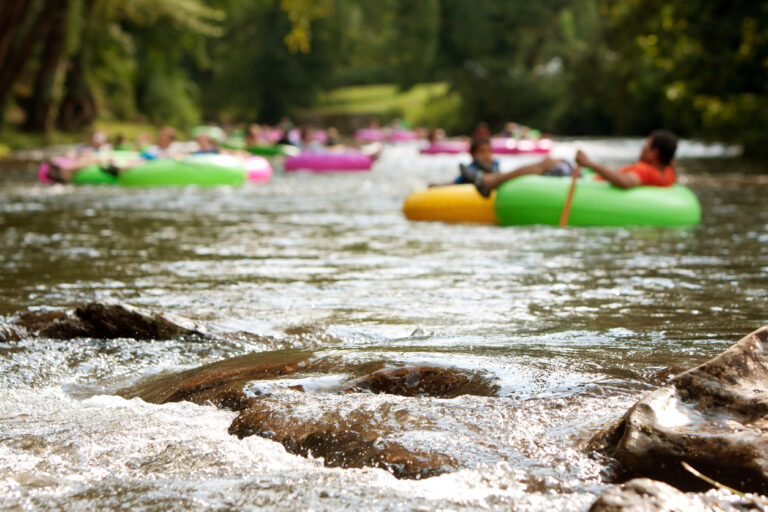
The best float trip, a unique experience in Jackson, is designed with your preferences in mind. It’s perfect for groups with varying schedules, as you can customize the duration to fit your needs. The launch location, the historic Snake River Ranch just outside Grand Teton National Park, is a star in its own right. Partnering with the ranch grants our top-tier river hosts exclusive access to the Snake River, offering stunning panoramic views of the Teton, Gros Ventre, and Snake River ranges.  Our experienced boatmen handle all the paddling, allowing you to truly relax and soak in the beauty of the surroundings.

What to Bring

While most rafting companies provide life jackets, ponchos, and sometimes even water refills, we go the extra mile to ensure your comfort. Packing a few extras can enhance your trip.  A compact backpack is ideal for stashing these essentials: a camera or cell phone to capture the epic rapids and stunning landscapes, binoculars for wildlife spotting, and a lightweight jacket for chilly mornings or post-float chills. Don’t forget some snacks to keep your energy up! We prioritize eco-conscious options, so bring resealable containers or reusable bags filled with trail mix, granola bars, or your favorite energy bites. This way, you can stay fueled for the adventure without leaving any trash behind for others to deal with… or for the wildlife to fight with.

Options for Trip Length

Need more time in Jackson Hole? Don’t sweat it. Squeeze in a taste of the Snake River with a scenic float trip ideally suited for busy schedules.  These 2-3 hour adventures include transportation and a fascinating glimpse into the history of the Snake River Ranch.  Imagine relaxing on the water, surrounded by iconic Teton views that rival anything you’ve seen on a postcard.

Are you traveling with the family?  Late-morning lunch floats offer the perfect solution!  Float leisurely down the Snake River for 3.5-4 hours, taking in the scenery and wildlife before arriving at a private riverside location for a delicious gourmet picnic lunch.  These options are ideal for families with younger children who might not be up for a more extended adventure.

Are you seeking an epic adventure?  A 16-mile Southern Fork float is the ultimate Jackson Hole experience!  It is a 5-hour round trip that demands some commitment, but the rewards are truly unforgettable.  Prepare yourself for breathtaking vistas, potential Bald Eagle sightings, and even encounters with larger wildlife.  Pack your gear, embrace your adventurous spirit, and get ready to conquer the Snake River!

You may be looking for something in between.  Consider the 13-mile trip that winds south and west of Jackson Hole.  This 2-hour float offers a unique perspective on the region’s diverse wildlife population.  While a stop or meal isn’t typically included on this shorter trip, keep your eyes peeled for bald eagles, herons, pelicans, moose, deer, and elk that call this section of the river home.  Remember to check with your guide beforehand to confirm the exact float duration, as it can vary depending on the season.

Teton Expeditions and its entire crew, as a small family & employee run business that caters to making your trip a most memorable experience, are looking forward to meeting you so you can join their satisfied customers list.

Elevating Your Sports Team’s Identity With Unique Designs and Marketing

0

Sports teams consist of a diverse group of people offering their distinct talents. Whether they can dunk a ball or hit a home run, these teammates need a cohesive uniform for each game. Explore the reasons why unique designs can enhance your sports team’s identity and encourage everyone to play well.

Creating an Identity

Primarily, distinctive uniforms create an identity for a team. Although there may be a dozen baseball teams within a 10- or 20-mile radius, each group needs team colors, logos or slogans. These designs, from roaring lions to triumphant warriors, forge an identity for each team. Essentially, a philosophy emerges from these logos and mascots. As the team plays each game, its identity arises and becomes more refined. When spectators see the team in the future, they can anticipate their playing style, such as cheering on the underdog or flying high with the all-star team.

Forming a Community

No team can work as a cohesive unit without a sense of community. By ordering unique uniforms and logos, your team can look like a single unit. As everyone practices and polishes their skills, they work together towards a common goal. With visual cues and positive reinforcement, the uniforms and group work culminate into a small community. When everyone feels equal in their uniforms, they belong to the group. Ultimately, this feeling of belonging improves teamwork and reduces conflicts between the players during tough games.

Capturing Everyone’s Attention

There’s a financial benefit to wearing unique uniform designs, too. Aside from the team players, coaches, loved ones and fans may want to wear the logos. By producing t-shirts, sweatshirts and other merchandise, the team can make money and pay its expenses. In addition, these buyers may want to volunteer throughout the season so that the team has support. From washing uniforms to running food stands during the games, these volunteers can positively impact the team with their assistance.

Furthermore, catchy designs encourage sponsors to advertise with the team. For example, a local business might advertise its industry on game-day flyers while offering a generous donation towards the team’s expenses. Gathering sponsors with eye-catching logos can help a team survive through several seasons. A skilled digital marketer can amplify this effort by creating engaging online campaigns that attract sponsors and fans alike, maximizing the team’s visibility and financial support.

Designing the Proper Uniform

Bright colors, such as red and white, are just the initial elements of a well-designed uniform. Logos and brands must be easy to see and strategically located on the clothing by experienced printers, such as Impress Ink. For example, large logos work well on the back of a top. Consider small logos on the collars or arm cuffs. Each sport has a uniform designed specifically for that activity, so logo placement might make sense on pants or even the players’ shoes. Also, hats and helmets are perfect locations for logos or catchy slogans.

From bright colors to strategic locations, your sports team’s uniform can contribute to a comfortable game and an intelligent marketing strategy. Overall, a memorable logo draws in fans and sponsors alike. In the end, these uniform designs can last for many seasons as the sports team grows and achieves its collective goals.

From Desert Oasis to Crime Scene: Exploring the Setting of ‘The Berman Murders’ with Author Doug Kari 

0

Unraveling the Mysteries and Taking a Deep Dive into the Setting of ‘The Berman Murders’  

In the scorching heart of California’s Mojave Desert lies a landscape as captivating as it is unforgiving, and within its vast expanse unfolds the chilling tale of ‘The Berman Murders.’ Author Doug Kari takes readers on a journey from desert oasis to crime scene, unraveling the layers of mystery that shroud the setting of his compelling true crime narrative. 

From the outset, Doug Kari paints a vivid picture of the Mojave Desert, a place of stark beauty and hidden dangers. The desert oasis, with its promise of respite from the searing heat, becomes the unlikely backdrop for a heinous crime that would rock the local community and captivate the nation. 

As readers flip through the pages, they get deeper into the setting of ‘The Berman Murders,’ they are transported to the rugged terrain of Saline Valley, where the Bermans’ ill-fated camping trip takes a sinister turn. Doug Kari’s meticulous attention to detail brings the landscape to life, from the towering peaks of the Panamint Range to the tranquil waters of the hot springs. 

But amidst the breathtaking scenery lies a darker truth, as Doug peels back the layers of intrigue to reveal the undercurrents of violence and deceit lurking beneath the surface. The desert, with its vast expanses and isolated pockets, becomes both a refuge and a hunting ground for those with nefarious intentions. 

Throughout the record’s description, Doug Kari expertly navigates the complexities, twists, and turns of the setting, entwining together elements of geography, history, and culture to create a rich tapestry of storytelling. From the remnants of old mining camps to the whispers of ghost towns lost to time, the Mojave Desert becomes more than just a backdrop—it becomes a character in its own right, shaping the events that unfold within its borders. 

As readers follow Doug Kari’s exploration of the setting, they gain a deeper understanding of the forces at play in the Bermans’ disappearance. The harsh realities of desert life, coupled with the isolation of the landscape, serve to heighten the tension and suspense, drawing readers further into the narrative with each turn of the page. 

But amidst the darkness, there are moments of unexpected beauty and resilience. Doug Kari captures the spirit of the desert dwellers, from the hardened prospectors to the free-spirited nomads who call Saline Valley home. Through their eyes, readers glimpse the hidden depths of the desert, where life flourishes in the most unlikely of places. 

In ‘The Berman Murders,’ Doug Kari invites readers on a journey of discovery, offering a glimpse into a world where beauty and brutality collide. From the sun-drenched vistas of the Mojave Desert to the shadowy depths of a crime scene, Kari’s exploration of setting adds depth and dimension to an already gripping tale. As readers immerse themselves in the landscape of ‘The Berman Murders,’ they are reminded that truth, like the desert itself, is often found in the most unexpected of places. 

Discover more about the setting of ‘The Berman Murders’ and join author Doug Kari on a journey through the heart of California’s Mojave Desert and check out his website 

How Long Should a Child Stay Out of School with the Flu?

0

Though the length of the actual season can vary from year to year, the flu typically shows up between the fall and spring. That means it is almost always present during the months your child is in school. 

If you suspect your child has the flu, how long should they stay out of school? 

How Contagious is the Flu? 

The flu can spread easily from person to person when sharing a space with someone carrying the virus. In other words, allowing a sick child to go into a classroom setting can expose everyone in the room. 

Each time the sick student sneezes, coughs, or even talks, small droplets make it into the air and can be inhaled by others in the classroom. These germs can also be picked up on surfaces and enter the body by rubbing the eyes and nose or putting fingers in the mouth. 

How Do I Know If My Child Is Contagious? 

There is no definitive way to determine precisely when your child is contagious with the flu. It is safe to assume that the flu is most easily spread within the first 3 to 4 days of diagnosis, though some may still remain contagious up to 10 days after diagnosis. 

As long as your child has a fever or is exhibiting symptoms, they should stay home. 

What Are the Symptoms of the Flu? 

The flu may be spread easily, but its signs and symptoms may take up to four days to appear. 

Do you know what symptoms you are looking for? While most people believe that the flu presents with gastrointestinal issues, it is actually more likely to affect the nose, throat, and lungs. 

Below are a few of the most common flu symptoms.

  • A fever of 100°F and higher
  • Sore throat
  • Cough
  • Runny or stuffy nose
  • Body aches
  • Chills
  • Headache
  • Loss of appetite
  • Irritability
  • Diarrhea and/or vomiting

Your child’s pediatrician will be able to make a formal diagnosis if needed. 

How Do You Treat the Flu? 

The flu can often be treated at home without a trip to the doctor’s office. 

There is no medication to treat the flu. Viral infections require a symptoms-focused approach, such as taking over-the-counter pain relievers to reduce pain and drinking plenty of fluids to remain hydrated. Salt-water gargles and humidifiers also help, too. 

Within a few days of this treatment, the child will often begin to feel better. 

If your child has any underlying conditions or the symptoms are not dissipating, then it is important to reach out to your pediatrician right away. 

Be Proactive With the Flu Vaccine

To help protect your child and avoid the flu each season, make sure you visit your child’s pediatrician to get vaccinated. 

The Centers for Disease Control and Prevention (CDC) recommends that everyone over the age of 6 months get an annual flu vaccine every fall. Doing so will significantly reduce your child’s risk of getting sick when coming in contact with the virus. 

Not only is a vaccinated child less likely to get sick — they are less likely to miss school because of the flu. 

Advocare Haddon Pediatric Group is a highly experienced team of pediatricians serving patients from birth through college. They have been an established leader in pediatrics for decades in the Haddon Heights and Mullica Hill areas of New Jersey.

How Do You Plan a Multi-Day Float Trip?

0

Planning a multi-day float trip can be an exhilarating yet demanding adventure that requires careful preparation and a robust spirit of adventure. Whether you’re floating down the scenic waterways for a couple of days or stringing together several float trips with restful nights in between, the key to a successful journey lies in detailed planning and efficient packing.

Different Ways to Enjoy Multi-Day Float Trips

At Jackson Hole Whitewater, we recommend considering separate float trips on consecutive days for those who want the thrill without the exhaustion. This approach allows you to enjoy the river’s challenges during the day and unwind with a comfortable rest at night, accompanied by nutritious, home-cooked meals. This format not only keeps the excitement alive but also mitigates the risks associated with continuous multi-day river expeditions.

For the more adventurous souls determined to embark on a continuous multi-day and night river journey, preparation is your best tool. Such trips, while more physically demanding, offer a unique opportunity to immerse yourself fully in the natural environment and test your resilience.

Essential Preparation Tips for Your Float Trip

Before setting out on your float trip, it’s crucial to be well-prepared to handle the demands of the journey. Proper preparation not only ensures safety but also enhances your enjoyment of the adventure. Here are some key steps to get you ready for the river:

1. Research Thoroughly: Understand the river’s difficulty level and anticipate the challenges you might face. Plan your stops for rest, meals, and overnight camping.

2. Pack Strategically: Aim to balance the weight, size, and necessity of each item. Bring only what’s essential but ensure you have enough supplies to handle unexpected situations. Include a medical kit and emergency provisions.

3. Dress Appropriately: Choose clothes that suit the weather and keep you comfortable throughout the trip. Protect your gear with waterproof bags to avoid any mishaps with water.

4. Communicate Your Plans: Inform someone of your itinerary and expected return. Keep a communication device handy to maintain contact or reach out for help if needed.

5. Use Proper Equipment: Select the right raft, paddles, and life jackets suited to the water conditions of your trip.

6. Consider a Guide: Especially for those new to multi-day float trips, hiring an experienced guide can enhance safety and enjoyment. Guides can offer insights into the local wildlife, navigate tricky river sections, and suggest the best spots for stops.

Embarking on a multi-day float trip is about embracing the unpredictability of the wild while being well-prepared to handle it. With the proper preparation, you can ensure a memorable and safe adventure on the river. Proper planning involves researching the river conditions, packing essential gear and supplies, and having the necessary skills to navigate the terrain. A successful multi-day trip requires a balance between being spontaneous and adaptable to the ever-changing environment while maintaining organization and foresight to mitigate potential risks.

Jackson Hole Whitewater specializes in crafting unforgettable river adventures. Our expert guides and thoughtfully designed trips ensure that every guest experiences the beauty and thrill of Jackson Hole’s waterways safely and comfortably. Whether you’re seeking a peaceful day on the river or a challenging multi-day expedition, our team is committed to making your adventure exceptional. Visit us at jhww.com to learn more and book your trip today.

Mastering the Art of Hosting Unforgettable Parties

0

Parties serve as magical occasions to unite people, craft enduring memories, and revel in a night of sheer delight and jubilation. Whether you’re orchestrating a birthday extravaganza, a festive holiday soirée, or an impromptu gathering with pals, orchestrating a soirée that becomes the toast of the town necessitates strategic planning and boundless ingenuity. From setting the perfect ambiance to arranging entertainment and every detail in between, here are the top 10 strategies to ensure you host the ultimate party, leaving your guests buzzing with excitement for weeks to follow.

Craft the Perfect Ambiance:

  1. Establishing the ideal ambiance sets the stage for your gathering from the moment your guests step through the door. Think about lighting, decor, and music to elevate the atmosphere. Dimming the lights, incorporating string lights or candles, and curating a playlist can instantly uplift spirits and make your guests feel warmly embraced and at ease.

Embrace a Captivating Theme:

  1. Infusing a theme into your party can catapult it from ordinary to extraordinary. Whether it’s a costume affair, a throwback to a retro era, or a tropical paradise, a theme injects an element of excitement and cohesion into the affair. Encourage guests to dress the part and integrate themed decorations and cuisine to weave a seamless narrative.

Curate a Delectable Menu:

  1. Food and beverages often steal the spotlight at any gathering, so ensure your menu is a gastronomic delight for your guests. Consider offering an array of appetizers, finger foods, and desserts to cater to diverse palates. Don’t overlook beverages—provide a mix of alcoholic and non-alcoholic options to guarantee everyone finds something to savor.

Elevate with Signature Libations:

  1. Elevate your libations menu by showcasing signature cocktails that reflect the theme or ambiance of your party. Craft inventive drink recipes using fresh ingredients and unexpected flavors. Consider naming cocktails after your guests or tying them into the theme for a personalized touch.

Enthrall with Entertainment:

  1. Keep guests engaged throughout the evening with an assortment of activities and games. Whether it’s a DIY photo booth, karaoke showdown, or a dance floor pulsating with infectious beats, offering entertainment ensures there’s never a dull moment. Consider enlisting a live band or DJ to elevate the atmosphere and maintain high energy levels.

Provide Interactive Experiences:

  1. Offer guests memorable experiences by setting up interactive stations or DIY activities. Create a build-your-own taco bar, a craft cocktail station, or a cookie decorating corner where guests can unleash their creativity. Not only does this add a playful element to the affair, but it also fosters camaraderie and interaction among attendees.

Design Instagram-Worthy Moments:

  1. In the era of social media, creating shareable moments is paramount for any successful gathering. Install photo-worthy backdrops or props that entice guests to snap and share photos throughout the event. Consider devising a custom hashtag for your soirée to facilitate easy sharing and tagging of memories.

Attend to Every Detail:

  1. It’s the little nuances that can make a monumental impact on your party’s ambiance. Pay attention to details like personalized signage, themed party favors, and cohesive decorations to tie everything together seamlessly. Small touches such as fresh blooms, scented candles, and ornamental accents can elevate the overall aesthetic and leave an enduring impression on your guests.

Infuse the Atmosphere with Energy:

  1. The key to hosting an unforgettable party lies in maintaining high energy and a buoyant vibe from start to finish. Mingle with your guests, introduce unfamiliar faces, and keep conversations flowing. A host who is actively engaged and exudes enthusiasm sets the tone for the entire event, ensuring everyone relishes the experience.

Remember to Enjoy Yourself:

  1. Lastly, but undeniably important, don’t forget to revel in the festivities! As the host, it’s easy to become ensnared in the logistics and minutiae of party planning, but remember to pause and savor the moment. Your guests will feed off your exuberance, so unwind, let go, and create memories that will endure a lifetime.

Hosting an exceptional party necessitates meticulous planning, attention to detail, and a generous dose of imagination. By cultivating the perfect ambiance, embracing a theme, planning tantalizing cuisine and libations, and offering entertainment and interactive experiences, you can orchestrate an unforgettable affair that leaves your guests reminiscing for years to come. So, roll up your sleeves and implement these strategies to host a party that will be the pinnacle of the year! Don’t search for the best hangover pills to help you after the party. Instead, check out the groundbreaking, physician created Hangover Genie and wake up refreshed and full of energy. Read more about hangover food.

7 Times You Should Consult a Lawyer About Premises Liability

0

If you’ve ever been injured on someone else’s property, you need to understand premises liability. Premises liability governs damages you can claim if the owner or tenant was negligent with property maintenance. Your rights depend on your status with the owner. For instance, were you invited, a child, a trespasser, etc?

Establishing Premises Liability

Your lawyer will need to establish 4 main things to prove a premises liability case.

1- The property was owned or occupied by the defendant. If you are injured in a store leased by the business owner, you will be suing them and not the actual property owner.

2- The defendant was negligent in maintaining the property. Owners and tenants are expected to maintain a standard of care. A business cannot have a slick entryway or other hazard and is held to a higher standard than private property owners.

3- The defendant’s negligence led to your injury. You must establish a clear cause and effect between their actions and your injury.

4- Compensation is in order. You have to prove you suffered damages that compensation will help correct.

Types of Premises Liability Issues

1- Dog Bite: If you are attacked and bitten by an owner or tenant’s dog, you may have a case. Pet owners are responsible for keeping their animals properly restrained via fence, leash, etc. They cannot allow their pets to roam unattended.

2- Improper Lighting: Owners and tenants must provide enough light to allow you to see where you are going. Otherwise, you may be injured by running into an object or tripping over a hazard.

3- Water Leak: This issue becomes a premises liability if a water leak from another property damages your home or belongings. Perhaps the bathtub in the apartment above you is left on and wrecks your ceiling. You would have a legitimate claim for damages.

4- Lack of Security: When you visit a store, attend a concert, or stay in a hotel, you have an expectation of adequate security. If you are a victim of a robbery or other criminal act, the property owner or tenant may be liable if they did not take proper security measures.

5- Swimming Pool Accident: Property owners are frequently sued due to swimming pool accidents. The duty of care can be a heavy burden. One example is if an owner fails to have adequate fencing around the pool and someone is injured, they face legal action.

6- Damaged Walkway: Sidewalk cracks and bumps cause many accidents. You can easily trip and break a bone or suffer a concussion. The property owner is responsible for maintaining safe walkways, especially at commercial properties. If you trip, you may have a case.

7- Poor Maintenance: This category is broad but applies to any accident caused by negligence. If damaged ceiling tiles fall on someone’s head, a broken window cuts a customer, or a wall collapses, it falls under premises liability.
If you are injured on someone’s property, you should consult a personal injury lawyer. Property owners and tenants have a responsibility to maintain their premises. If they do not, you can seek compensation for your injuries.

The Growing Popularity of Bully Breeds in The United States

0

Furry friends have become an important member of many American families. Breeds across the board are finding their forever homes, some of the most popular being bully breeds. Bully is the name given to the grouping of dogs including terriers, mastiffs, dobermans, etc. Mixes of these breeds are sometimes referred to as pit bulls, which means any dog with a significant mix of other bully breeds. These dogs have claimed the top spot as the most popular dog breed in over 20 U.S. states in recent years. 

Approximately 20% of the United States’ dog breeds are bullies, and they are among the top percentile of best-tempered dogs as well. Bully breeds come from all around the world, finding their way to America from places like The United Kingdom, Germany, France, Italy, and even Argentina. No matter where they hail from, bully breeds have been named “America’s dogs” and are very popular in many, if not all, U.S. states. In fact, in 2022, the French bulldog took the number one spot, ending the Labrador Retriever’s 31-year long reign at the top.

From pit bulls to bulldogs, to mastiffs, to boxers, bully breeds are providing love, care, and companionship to millions of families across the country.

The Most Popular Bully Breeds in the United States