Home Blog Page 176

Myths About Grief and Grieving

0

Grief is the emotional suffering you feel when you lose something or someone you love. It’s a natural response that can cause you intense emotional pain that at times it can be almost unbearable. It’s important to remember that grief is a process that will not only affect you emotionally but mentally and physically, as well. Here are some myths about grief and grieving.

The Five Stages of Grief

The first step to learning more about the myths that surround grief is understanding the five stages. Each can be experienced slightly differently from one person to the next, and some experience one stage longer than others. They are:

  • Denial – This is a feeling that you can’t accept what’s happened. You may think, “I can’t believe this is happening to me.”
  • Anger – You know what anger feels like. At this stage, you might think something like, “Why is this happening to me. Who’s at fault is it?”
  • Bargaining – During this stage, you will likely feel vulnerable and helpless. If you’re a religious person, you might ask God to make the pain go away or bring back your loss. You might say things such as, “If you stop this from happening, I will ______.”
  • Depression – Just as it sounds, this is a period of sadness. Everyone will experience different levels of sadness and sometimes it comes and goes. You may think, “I’m too sad to go on or do anything.”
  • Acceptance – This is the stage that you have accepted the loss and come to understand what it means for your life. Remember, this doesn’t mean that you will never be sad over your loss again, but it should come and go, rather than be constant.

Myth: If You Ignore the Pain It Will Go Away

Going through the grieving process is a difficult thing but ignoring your pain will only lengthen and potentially amplify your emotions when you finally deal with it. Acceptance is a necessary step in the grieving process that you need to go through before you can begin the healing process. Seeking help from a psychotherapist can be of great help throughout the process.

Myth: It’s Important to Be Strong

Feelings of sadness, fear, and loneliness are normal reactions to loss. You should never be ashamed of your feelings, and expressing your emotions can help you and your loved ones. You are not weak if you aren’t always able to be the strong one in the face of a loss.

Myth: If You’re Not Crying, It Means You’re Not Sad About the Loss

People react to and express grief in all sorts of ways, and it’s not always through tears. Although crying is a normal response, it’s not the only one. Just because someone isn’t crying, it doesn’t mean they’re not feeling pain. They may just have a different way of showing it.

Myth: There’s a Set Time Period For Grieving

The truth of the matter is, there’s no specific time frame for grief. In fact, the grieving process can last for years. Just be sure that you are continually addressing your emotions and continually healing as time goes by. If you’re feeling as if you aren’t able to cope with your grief, make sure you seek help from your friends and loved ones, or you speak to a grief counselor. 

Myth: Moving Forward With Your Life Means You’ve Forgotten About Your Loss

Moving on doesn’t mean you have forgotten about your loss. It means that you’ve accepted it, and this is a crucial step in healing. Although you feel that you’ve gotten to this point of moving forward with your life, you will always keep the memory of your loved one in your heart. 

Relying on legal counsel, like wrongful death attorneys in the Bay Area, can help you reach this stage and continue to heal. So can friends, family and support groups. As time goes by and you grow as a person, this experience helps to shape and define the person that you are. 

States with the Highest Divorce Rates

0

You’ve probably heard that divorce statistics are on the rise. While some studies argue otherwise, this holds true by most gathered data. There are various reasons behind this trend from increased infidelity to even the current pandemic, but did you know that some states have higher rates than others? Here are the states with the highest divorce rates. 

Why the High Rate? 

There are a wide variety of factors that can lead to married couples separating, and many apply to non-married couples as well. Most put intense strain on the relationship, adding increased stress levels for both people involved. 

Younger couples tend to divorce more often, simply being inexperienced in life and unable to handle the trials a marriage might experience. Lack of education is another reason, with those only finishing or not finishing high school having higher rates. 

Lower incomes are another huge factor due the high level of stress tight finances can have on anyone. Another factor some researchers have discovered is higher rates among those with divorced parents. While there is a trend here, it doesn’t always mean that divorce is inevitable. 

Couples who cohabitate prior to marriage are also slightly more likely to divorce, as studies have shown that each partner has more of a leniency toward the option. Living together after getting engaged, however, seems to nullify that risk. 

Finally, there’s premarital pregnancy and loss of pregnancy. Children can put stress on couples in any scenario, but some decide to marry simply to create a family unit when that isn’t always the best option. As for losing a child, even some of the strongest marriages can fail with the pain of that loss. 

None of these factors guarantee divorce, however. They also don’t include every scenario, like infidelity or abuse. These OC divorce lawyers have handled plenty of cases for more reasons than this article can contain, ranging from addiction to religious differences. Now that you know some of the reasons and risk factors, here are the states with the highest rates.

By the Numbers

The following states hold the highest percentages of divorce in the nation. This data was measured by taking divorced women per 1,000 married individuals, giving a good idea of how many unions fall though. Here they are:

  • Arkansas – 13%
  • South Dakota – 12.1%
  • Oklahoma – 10.8%
  • Kentucky – 10.5%
  • Oregon – 10.1%
  • Indiana – 9.9%
  • Alabama and West Virginia – 9.8%
  • Nevada and Washington – 9.6%

As for the lowest rate in the nation, that goes to North Dakota with only 4.7%. California sits on top of the lowest in the country with a 6.7% rate. While these might not spell disaster for all marriages, they are interesting statistics to note. 

There’s no additional data behind why these states have higher numbers than others, but there is one more interesting find in this study. Compared to 2008’s rate of 18 new marriages for every 1,000 women, there only 16.6 in 2018, showing that marriage rates are dropping across the country. 

Other statistics show that people have more access to divorce than they did in previous years and decades, too. Bilingual and English as a second language individuals now have access to better legal representation, like this Spanish speaking divorce lawyer in Anaheim, for instance. 

That’s a good thing, too, because it helps people leave toxic relationships behind. While many view the rising divorce rates as a negative, there can be plenty of positive outcomes for victims in those scenarios. 

What Is Customer Value Hierarchy?

0

Value is the name of the game for any business. If you’re looking to sell a product or service, then consumers need to see the value in what you have to offer. With value comes sales, with sales come success.

So, how can you determine the level of satisfaction customers have in the value you offer? The answer is customer value hierarchy, which is vital customer value management tool. Understanding how to incorporate this system into your business will help you measure consumer loyalty and net the repeat sales your business needs to thrive. Here’s everything you need to know. 

Defining Customer Value

Customer value is simply how satisfied a consumer feels after purchasing your product in relation to what they had to do to make that purchase. That includes the money they spent as well as the time it took do so and their customer service experience. 

The hierarchy part comes into play because customer value incorporates several tiers. Each level provides insight into the importance of your offerings to the consumer, what they expect, and what they do not expect from the buying experience. 

Understanding Basic Tiers

The first two tiers of this system are lumped together, expressing basic values of customer expectation. These include things like how clean your location is, if you have enough items in stock, and if your stock encompasses a wide variety of offerings. For services, that can include the variety of services offered and how well your staff executes them.  

These basics provide an essential foundation to customer value. Without them, it is impossible to create a high-quality experience for consumers. Keep in mind that basic values change from one business to the next. So, address what your customers may expect when doing business with your organization. 

Understanding Advanced Tiers

The third tier is desired value, or what the customer would like to gain from their purchasing experience. This is where many companies set themselves apart by building increased value with add-on features. Expert customer service, monetary deals for additional relevant items, and even coupons fall into this category. 

The final tier is known as unanticipated customer value. While you can easily anticipate the benefits of the methods mentioned above, there are other methods consumers may not expect. This allows you to jam pack the level of value you provide and create lifelong customers. 

Satisfaction guarantees, experienced staff, and superb warranties are all excellent examples of unanticipated value. The goal of these methods is to exceed customer expectations, providing them with a memorable experience or a “wow” moment that gears them towards wanting to do repeat business with you.

The Power of Mastering Tiers

There’s no single, sure-fire way to go about building value. It all depends on your business, the market, and the industry you’re in. However, utilizing these tiers to your brand’s advantage positions your organization as one that offers high value to consumers and guarantees repeat customers who develop a bond of loyalty to your business. 

Aftermarket Car Products That Are Worth It

0

Choosing additions for your vehicle can be an excellent way to enhance your driving experience. However, some are just a complete waste of money. That includes both option from the dealership and third-party sellers. Check out these aftermarket products worth the money, as well as a few that aren’t. 

GAP Insurance

Offered by insurance companies, GAP is always an excellent option. If your car happens to be totaled, considered a total loss by the company, then they will pay you the fair market value of the vehicle. This is an excellent way to ensure your purchase is protected, especially if you need to make car payments.

Without GAP insurance, you could end up owing the remainder of the cost through financing without even owning the car anymore. This add on is also a cheap option. So, it’s in your best interest to buy this aftermarket product. 

Extended Warranty

Whether you’re buying new or used, extending your warranty is never a bad idea. Unlike GAP insurance, this option usually comes with a steeper price tag. Regardless, you can rest easy knowing that your warranty will protect against any unforeseen complications for years to come. 

Service Contract

Often called “mini-insurance,” a service contract can help you cover unexpected repairs and maintenance costs. It often covers out-of-pocket costs that your insurance will not, which can make it a worthwhile option. In the event that you need to hire a car accident lawyer, however, these costs are recovered in court. Service contracts are for non-accident incidents. 

Paint Protection

Believe it or not, this ad on is an excellent option for newer vehicles. In the event that weather or an accident damages your car’s paint job, you can rest assured that it will be restored to normal. Skip this option for older, used, and cheap vehicles.

Theft Protection

Before you think you don’t need this aftermarket product, consider the fact that a car is stolen every 23 seconds in the United States. Theft protection places near unnoticeable markings on your car that make it easier for law enforcement to identify. It can also come with cash compensation, helping you pay for a rental/replacement as well as insurance deductibles. 

Tech

When buying an older car, there might be modern tech items you would prefer to own that do not come with your purchase. There are countless aftermarket options for just about anything you can think of, and they’re worth it. Just make sure you find the right price online instead of at the dealership. 

Avoid These Add-Ons

There are dozens of aftermarket options that simply aren’t worth your hard-earned money. Dealerships and companies might try to convince you that these options are worthwhile, but you’re better off without them. They include:

  • Rustproofing – newer cars already have it 
  • Spoilers – only needed for high-performance models
  • Aluminum stem caps – aluminum and brass caps oxidize, standard plastic does not
  • Light bars – illegal in some states, pose a hazard for oncoming traffic, costly
  • Fuel additives – they don’t work, save some fuel injector cleaners
  • Window tints – illegal in some states, overly costly, not necessary

How Much Will A Data Breach Affect Your Business?

0

Cybersecurity breaches are one of the greatest threats to modern businesses. It’s not only the high profile breaches that make the headlines. Businesses of all sizes are vulnerable to attack and the consequences of a large-scale data breach can be devastating.

That is why many businesses are investing heavily in their infrastructure and data security, either through the adoption of managed IT services or other specialist security experts.

Data breaches can affect businesses in a number of ways, and the impact can be devastating.

Financial Losses

The financial cost of a cybersecurity breach could affect the very survival of a company. A study by IBM indicated that a data breach could cost the average company $3.92 million dollars. 

These costs include compensation, investigation fees, security consultancy, and IT costs. Depending on the nature of your security breach, you could also be liable to severe regulatory and legal penalties. 

Devaluation of the Business

In 2016, the telecommunication giant Verizon was in the process of buying Yahoo when it came to light that Yahoo had suffered a data breach in 2013, exposing the sensitive information of over 3 billion accounts. Due to the reputational and financial liabilities of Yahoo, $350 million dollars was knocked off the original asking price. 

While this is a high-level example, data breaches can reduce the value of your company. In a report by (ISC)², 49% of the mergers and acquisitions professionals surveyed said a deal would fail because of a data breach, while 86% said that a data breach would decrease the acquisition price.

Loss of Sensitive Data

Information is power. Should your sensitive data fall into the wrong hands, it can cause irreversible damage to your business and your customers. Popular data for cybercriminals to target includes financial information, names and addresses, biometric data, and IP addresses. 

Customer Alienation

Every business relationship is based on trust. Data breaches can shatter that trust, especially if you have been negligent in securing your IT systems. Research by PCI Pal has shown that in the wake of a serious data breach, 83% of people would stop all spending with a business for several months. 21% said they would never deal with that business again. 

Losing customer trust and loyalty is incredibly damaging to the survival of a business. This kind of trust is difficult to bring back. 

Reputational Damage

The impact of a data breach has far-reaching consequences for your reputation. The PR backlash that can occur once the breach is known can damage your credibility with clients, suppliers, and partners. This in turn can lead to lower revenues and losses. 

Take Steps to Secure Your Data

Businesses of all sizes across every sector need to ensure that they are taking all the necessary measures against potential data breaches. Engage with cybersecurity experts in order to assess your risks, identify any weaknesses, and design robust, secure IT systems. 

If you do not have any security measures in place, it’s not a question of if, but when, your systems will be breached. 

Simple Tips to Optimise Your Supply Chain and Distribution Management

0

Understanding the various business processes that happen in every organisation is one of the most significant aspects of a manager’s job. Indeed, it is important to understand that every business can improve their operations to create a highly efficient and effective organisation, especially by examining a number of aspects of the business and improving them where necessary. This is especially pertinent if you are looking to improve your supply chain or even your distribution network as you should always attempt to create more value for your customers. Furthermore, it is imperative to note that if you are the owner of a business or even a manager, you must understand the various systems and processes that are used across your supply chains and distribution networks. However, it is important to understand that improving the logistics of your business is a simple change that you can implement to achieve your long-term aims in a cost-effective way. For more information about the various delivery companies that are available on the market, you should think about consulting an online business directory as you will be able to identify a number of companies that you can contact.

1.            Create more efficiency

One of the simplest tips that you can use when you want to optimise your supply chain or even improve your distribution channels is to create a high level of efficiency. Indeed, hiring a third-party logistics company is a simple step that can allow you to provide a high quality service to your customers as well as create a high level of efficiency throughout your business unit. For more information about medical delivery from Rhenus High Tech you should think about checking an online business directory for the contact details that you can use.

2.            Generate a high level of effectiveness

Furthermore, it is important to understand that if you are looking to optimise your supply chains or your distribution networks you could think about hiring a third-party provider to carry out your logistics. Indeed, this is especially pertinent if you need to ship health or technical equipment securely and safely to a particular destination. As a result, you can offer a rapid delivery service for your clients as well as create a high level of effectiveness throughout your organisation. It is also pertinent to understand that if you employ a third-party provider, you can rest assured that any products you need to send to your customers will be delivered in a timely fashion while also creating a great first impression for new customers.

3.            Use a variety of services

Finally, you should be aware that specialist logistics companies can help you to optimise your business operations in a number of different ways while you should carry out some research before choosing a provider. Indeed, regardless of whether you need to deliver products to your customers or even receive raw materials or components as part of your supply chain, you should think about contacting an experienced specialist logistics company as soon as possible.

  • Be efficient
  • Create more effectiveness
  • Choose from several services

Therefore, in conclusion, if you are looking to optimise your supply chains, as well as improve your distribution channels you should think about using a specialist third-party logistics provider to allow you to increase the level of effectiveness and efficiency in your organisation.

Being a Tourist at Home

0

In these days of lockdowns and economic uncertainty it has become difficult to know what to do with our free time. Some of us have had quite enough of Netflix and chill and are getting atrophied brains from spending too much time on social media. If we are not allowed unnecessary travel, or if you can’t afford to go anywhere far, there remains one option that you may not have considered. You can become a tourist in your own city. There are many things you can do in your hometown that you would pay more to do somewhere else.

  • Get a Motorcycle: Part of the trick to enjoying where you live is to alter the perspective. One way to do this is to change the way you get around. Get yourself a motorcycle, or if you’re a couple maybe get two. But riding double would be even better. Everything looks different from a motorcycle; you get a much wider view. You experience the smells and the sounds, and you feel the fresh air on your face. Taking a slow cruise through your downtown or visiting nearby scenic or historical areas from a motorcycle, will change your perspective on places that you are probably taking for granted. You can shop for motorcycles at Wheels Motorcycles in Peterborough, a leading UK dealer with a good name.
  • Go for Walks: Another way to enjoy the area where you live is to go on walks. Walks are free, and they are good for your health. Go for a walk to get your dinner or go for a walk to work that dinner off. Head to different areas and start a walk from there. You can have some of the best conversations while you perambulate but leave your mobile in your pocket.
  • Try Out Your City’s Hotels: Once you enter a hotel, it doesn’t matter what city you are in, because the character of each hotel is different. Quite often the best part of a holiday is the pampering that you get at the accommodation. The brief time of luxurious living when you need only to pick up the phone and dinner will come. You can walk out to the pool and when you return, someone has made up your room and you can relax. This is an option for people with or without children, but if you can find someone to look after your young ones for a day or so, the holiday experience will be even more authentic.
  • Go Camping: You would be amazed how nice it can be to go camping in an area close to home. One advantage is, you don’t have to travel far, another is that if you forget something it is no big deal to go back and pick it up, If one of you are working during the day they can pop out to the campsite for evenings.

There are many things you would do on a holiday that you can do just as easily at home. You just don’t because that seems odd. But then you are not surprised to see others come to your area and enjoy themselves. The least you can do is give it a try. What do you have to lose?

How Organizations Are Improving Employee Retention

0

Companies all over the world are working hard to improve employee retention; they know the costs of hiring and training new people are far higher than simply keeping your existing talent happy and productive. If you can improve your employee retention, you’ll have a higher chance of nurturing leadership from within your organization and save money in the process.

So what steps are companies taking to improve employee retention?

Focusing on Employee Experience

One of the biggest trends developing is a focus on the broader employee experience, rather than a simple, narrow dimension like employee satisfaction. Employee experience encompasses many employee sentiments throughout their journey from being hired to leaving the company, rather than arbitrarily limiting its consideration to a specific feeling or a specific area.

For example, a manager might regularly ask employees how they’re doing, and make environmental changes when necessary; this could be a part of an employee experience strategy, but it doesn’t reflect the entire strategy. For a thorough employee experience strategy, you’ll need far more employee touch points, and a more proactive approach to improving employee environments and experiences.

Improving Onboarding and Training

Companies are also doing more to improve employee retention early in the hiring process, during onboarding and training phases. This is a critical opportunity for development, and one that is unfortunately neglected by many organizations.

Onboarding often forms expectations and first impressions for new employees. It’s your chance, as an employer, to introduce an employee to your work culture and the nature of the job. If you stumble, or if you don’t take onboarding seriously, your employee may feel lost when they begin working—or they may feel like they don’t matter to your organization. By contrast, if onboarding is an endeavor you take seriously, and it equips them with all the knowledge they need to get started, they’ll be much more likely to value your organization in the future.

Similarly, businesses are thinking more about the initial training they give their employees. Better-trained employees, from the start, feel more confident about their work and feel better supported by their team leaders and managers. It’s a great way to start the employer-employee relationship on the right foot.

Providing Better Education and Development

Employees are often eager to improve themselves over time; nobody wants to do the same thing, at the same skill level, for years on end. Accordingly, employees tend to be more likely to stick around with organizations that afford them some means to learn and improve themselves. Companies are responding in kind by offering more development opportunities; these include everything from class reimbursements and paid educational opportunities to onsite mentorship and additional training.

Offering More Employee Flexibility

One of the most notable workplace trends of the past decade has been the transition to more flexible environments. Businesses are willing to offer employees more flexibility with when, where, and how they work, and there are many individual examples of this.

For example, many companies are ditching the traditional 9 to 5 work schedule in favor of more flexible hours; employees are allowed to work whenever they’re most productive, so long as they’re reachable in case of an urgent matter. Some companies have offered relaxed dress codes and looser requirements for employees in the office. Other companies have completely abandoned the traditional office setting, allowing employees to work from home or from local coworking spaces.

When employees have more control over when, where, and how they work, they’re much more inclined to stay with the employer.

Instilling Greater Autonomy

In line with this, many organizations are granting employees more autonomy over their own work; instead of concretely and rigidly directing them, they’re allowing employees to define their own goals, choose their own projects, and complete work as they see fit. This minimalistic approach makes employees feel more engaged, more valued, more trusted, and more in tune with their own work.

Offering More Feedback

Companies are also increasing the amount of mutual feedback between managers and employees. Employees get more feedback, which instills them with confidence and helps them understand how to develop themselves as professionals. Employees also get the chance to give more feedback of their own, explaining any concerns they might have, and expressing ideas for how to make the workplace better. In both directions, employees feel more connected to the workplace, and become more invested in their jobs.

Employee retention rates are on the rise, and if these organizational trends continue, we’ll likely see steady increases in this area for years to come. Tomorrow’s workplaces stand to be more flexible, more autonomous, more reliant on feedback, and overall, more employee-focused. That’s a good thing for productivity, employee satisfaction, and overall efficiency—so everyone should be happy with these trends.

Useful Tips on How to Stop Coronavirus in the Workplace

0

As the coronavirus continues to evolve and a vaccine not looking likely in the coming months, we have to take steps to secure the workplace. There is a lot of misinformation regarding the virus, according to the WHO World Health Organisation, the virus could stay around on surfaces for hours or even days. When a novel virus arrives like this, scientists are playing catch up to understand its many characteristics.

In the workplace, employers should know how to best protect office-based staff members.

Professional Cleaners

The first thing any company should do is hire professional commercial or industrial cleaners to take care of the workplace. Companies like Vapor Clean understand the importance of getting an office ready for employees and keeping it safe while they are there.

Coronavirus is weighing heavily on the minds of business owners, employers, and employees around the globe. Professional cleaning companies have never been more important than now.

At a time like this, you cannot leave cleaning duties to an amateur. A mop and a bucket are not sufficient enough to keep the workplace clean. A professional cleaning team will be prepared to clean and sanitise every surface. They won’t leave any stone unturned, as they’ll come with the right equipment and strategies to ensure your office is safe for all.

Education

The best way to deal with coronavirus in the workplace is to educate staff about hygiene and the virus. Companies should hold meetings with senior members of staff and teach them about workplace hygiene. Make sure workers are wearing face masks at all times and posters are put around the workplace promoting hand washing and respiratory hygiene.

You can ask your local authority for coronavirus hygiene poster or look at websites such as the WHO. Offer guidance from occupational health and safety officers and use the intranet to promote cleanliness strategies.

Personal Approach

Along with hiring a professional cleaning service who knows how to handle the virus and education, employers and business owners need their staff to take responsibility for their actions. There are many simple ways to stop the virus in the workplace, it takes a joint effort between owners, employers, and employees. Employees should also protect their co-workers by being proactive against the coronavirus. 

  • Avoid Shaking Hands – While shaking hands with colleagues may seem normal, if you want to prevent spreading any pathogens, avoid doing so.
  • Stay at Home When Sick – There is no point in putting yourself or others at risk if you feel unwell. Stay at home and recover before coming back to work.
  • Wear a Mask & Clean Your Hands – A mask helps to stop the virus from spreading. While at work, regularly clean your hands with soap and water.

Eliminating the spread of the coronavirus is a joint effort. Everyone should understand the importance of good hygiene and take steps to keep themselves and others safe. It is the duty of the employer to protect workers by hiring professional cleaners and putting strategies in place to keep everyone safe. They must implement effective precautionary measures.

How UK’s VAT and Duty-Free Shopping Changes Will Impact Businesses

0

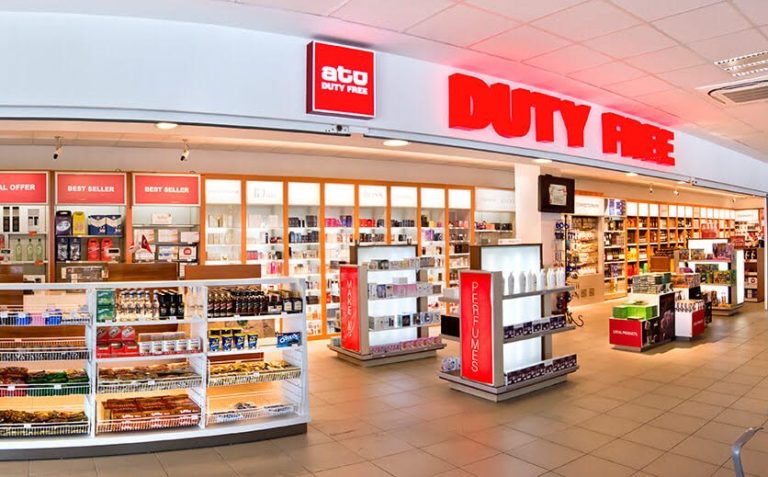
This December, when the Brexit transition ends, the UK government is set to abolish the VAT RES, much to the dismay of the retailers. So, what exactly is VAT RES, you may ask. Well, in simple terms, it is the tax-free shopping where you claim a VAT refund for international travelers who purchase goods in the UK but take it home. Do note that this doesn’t apply to the services consumed in the UK. The new VAT calculator helps you with the calculation of VAT on your invoices and also provides a ready reckoner on the VAT rates.

The announcement from the government will have a major impact on the duty-free and VAT shopping models. The business owners have predicted that these will have a serious impact on the retail, travel, and tourism businesses. An important thing to note is the UK is expected to be the only European country abolishing tax-free shopping for international visitors. Let’s understand the VAT and duty changes being implemented along with the reasons penned by the officials.

VAT and duty changes

· International visitors going home from the UK will no longer be able to purchase electronics and clothing at tax-free rates at the airports. The reason to abolish this is that there were concerns about VAT not being passed on to visitors at the airports.

· An end to the VAT Retail Export Scheme. International visitors cannot claim VAT refunds on the goods purchased to be carried as hand luggage. However, you can ship the tax-free goods overseas with the added burden of shipping costs and an additional delay in receiving the goods. To understand better, use the new VAT calculator to determine the costs of your purchases. The concern cited was that the HMRC became overburdened and was costlier to operate.

· Duty-free products like alcohol and tobacco can be purchased by British travelers moving to EU countries in airports and international train stations. This is targeted in eyeing the sales of these products at the airports. For visitors from non-EU countries, the allowance will be increased significantly for alcohol, tobacco, and other duty-free products. From 1st January 2021, the allowed personal allowances for imports into Great Britain which would be duty-free are 42 liters of beer, or 18 liters of still wine. Additional allowances include 9 liters of sparkling water, or 4 liters of spirits. Or, any other beverages with 22% ABV and lesser. For tobacco, it is 50 cigars, 100 cigarillos, 200 cigarettes, 200 sticks of tobacco for heating, 250 grams of tobacco, or a proportional combination of these.

Summary

This new plan of changing the VAT and duty-free shopping hasn’t gone well with the retailers and other business majors. They have expressed their concerns on the significant impact on leisure, retail, tourism, and manufacturing industries to the Treasury. They believe these new reforms will further push the international visitors to shop online, and feel that the government is being “short-sighted”. Not only is it seen impacting the businesses, but the associated jobs are also at stake and the UK’s competitive advantage may be at risk in Continental Europe.